The most common last name in China is Wang (王) when the question refers to mainland China's registered population in the latest national ranking published for 2020. Li (李), Zhang (张), Liu (刘) and Chen (陈) follow. If another list gives Li or Zhang as the answer, first check its year, geography, age group and spelling rules.
A surname ranking looks like an easy fact until three people open three lists and get three answers. The disagreement is usually not a mystery about China. It is a measurement problem hiding inside a cultural question.
My rule is simple: never repeat a Chinese surname ranking without its denominator. “Wang is number one” becomes useful only after we say who was counted. Once that boundary is clear, surnames lead somewhere far more interesting than a top-ten chart. They lead into migration, local pronunciation, ancestral halls, family books and the limits of what a shared character can tell us about two strangers.
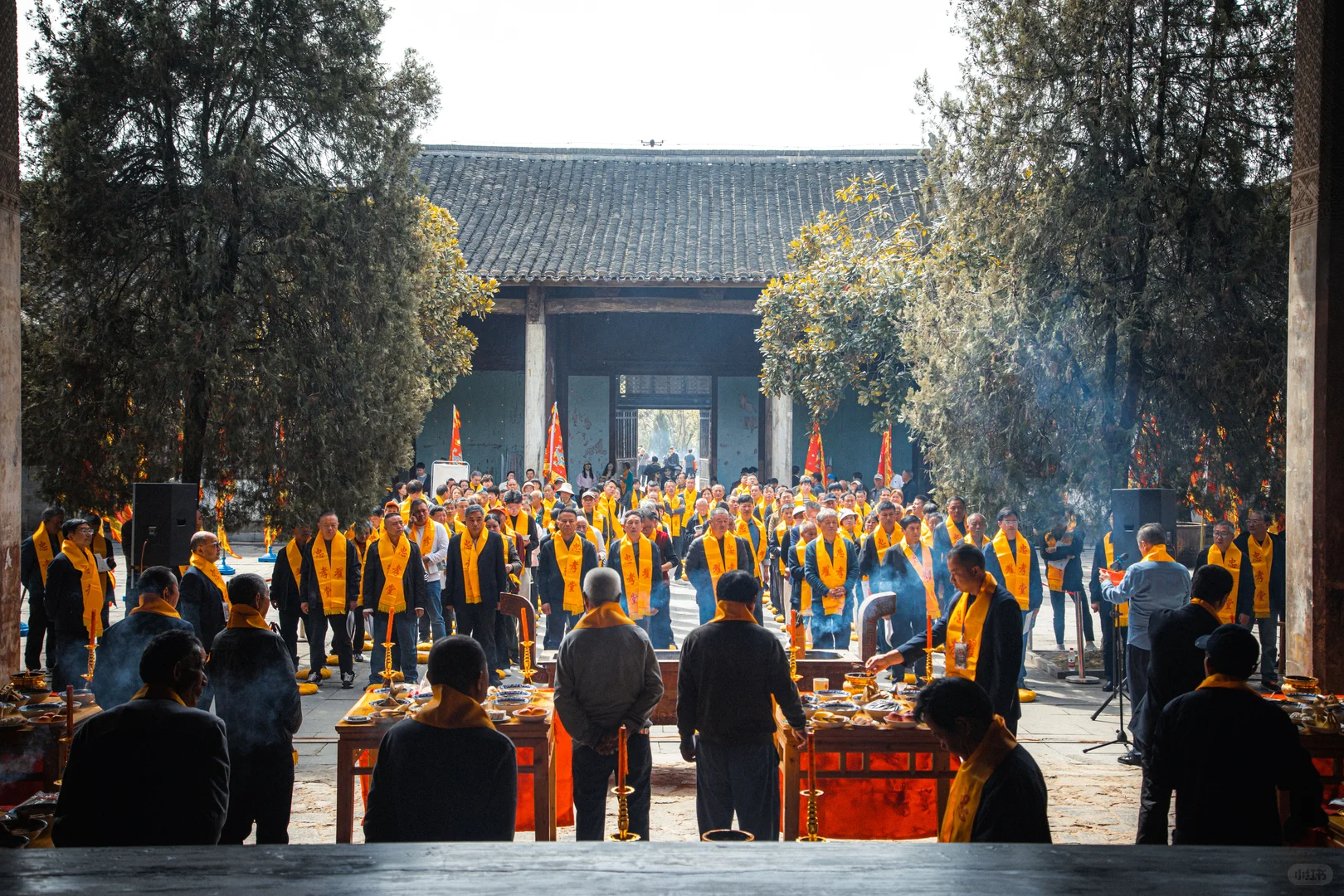
The photograph above shows members of a Zhai lineage gathered for an ancestor ceremony in Jing County, Anhui. It does not represent every family or every person with the surname Zhai. It shows why a surname can still organize a real social event rather than existing only as a box on an identity form.
Most common last name in China: Wang leads the national list
China's Ministry of Public Security released a 2020 national name report based on registered household-population data. Xinhua's report gives the order as Wang, Li, Zhang, Liu and Chen. Together, those five surnames accounted for 30.8 percent of the registered population covered by the report.
| Rank | Chinese character | Common Mandarin spelling | What the ranking actually says |
|---|---|---|---|
| 1 | 王 | Wang | First among surnames in the 2020 mainland household-registration dataset |
| 2 | 李 | Li | Second in that same population and year |
| 3 | 张 | Zhang | Third in that same population and year |
| 4 | 刘 | Liu | Fourth in that same population and year |
| 5 | 陈 | Chen | Fifth in that same population and year |
This is the clean answer to the search question. It is not an eternal league table. Population changes, reporting methods change and different datasets count different people. A good answer keeps the date attached.
The scale also explains why these names feel so common without making them interchangeable. Tens of millions of people may share one character while having no known family relationship, no shared hometown and no shared pronunciation outside standard Mandarin.
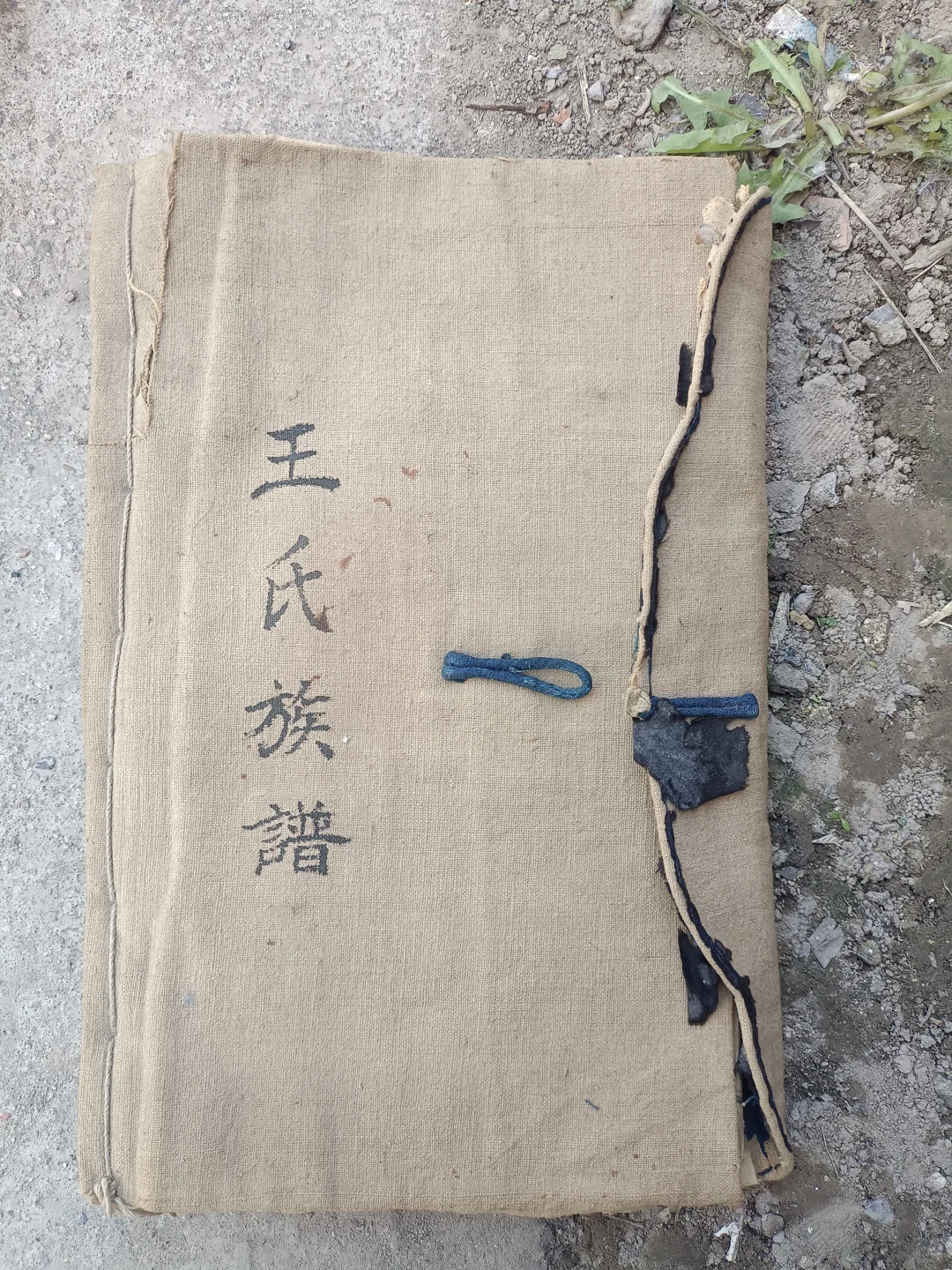
The cover reads 王氏族谱, “Wang clan genealogy.” The photograph proves that this labeled family record exists. It does not establish the book's date, completeness or connection to every person named Wang.
That old-looking volume helps us see the difference between a population category and a family record. A national database can count every registered 王. A genealogy tries to record one particular branch across places and generations. Those are two completely different operations.
Why some lists say Li or Zhang instead
The quickest explanation is that the list has changed the sample.
The same 2020 national report that ranked Wang first in the overall registered population placed Li first among babies born that year, with 726,000 newborns receiving the surname. That does not overturn the national answer. It compares one birth cohort with the whole registered population.
An earlier Xinhua English report on 2019 name data also shows why location matters. Wang led the mainland-wide ranking, but the most common surname differed by provincial-level region. Zhang led in Shanghai, Yang in Guizhou and Huang in Guangxi. A surname can be nationally common while another surname dominates a local population.
Here are the four checks I use before trusting a ranking:
- Year: Is the source counting 2007, 2019, 2020 or an undated mixture?
- Population: Is it the whole registered population, newborns, school records or survey respondents?
- Geography: Does “China” mean mainland household registration, one province, Hong Kong, Taiwan or a global diaspora sample?
- Writing system: Are Chinese characters counted, or are Roman spellings merged as if they were exact identities?
The 2007 surname research dataset described by Beijing Normal University used Ministry of Public Security household-registration data covering about 1.28 billion people. It remains valuable for studying geographic distribution, but its date should travel with every conclusion. A list without a year is not simpler. It is less honest.
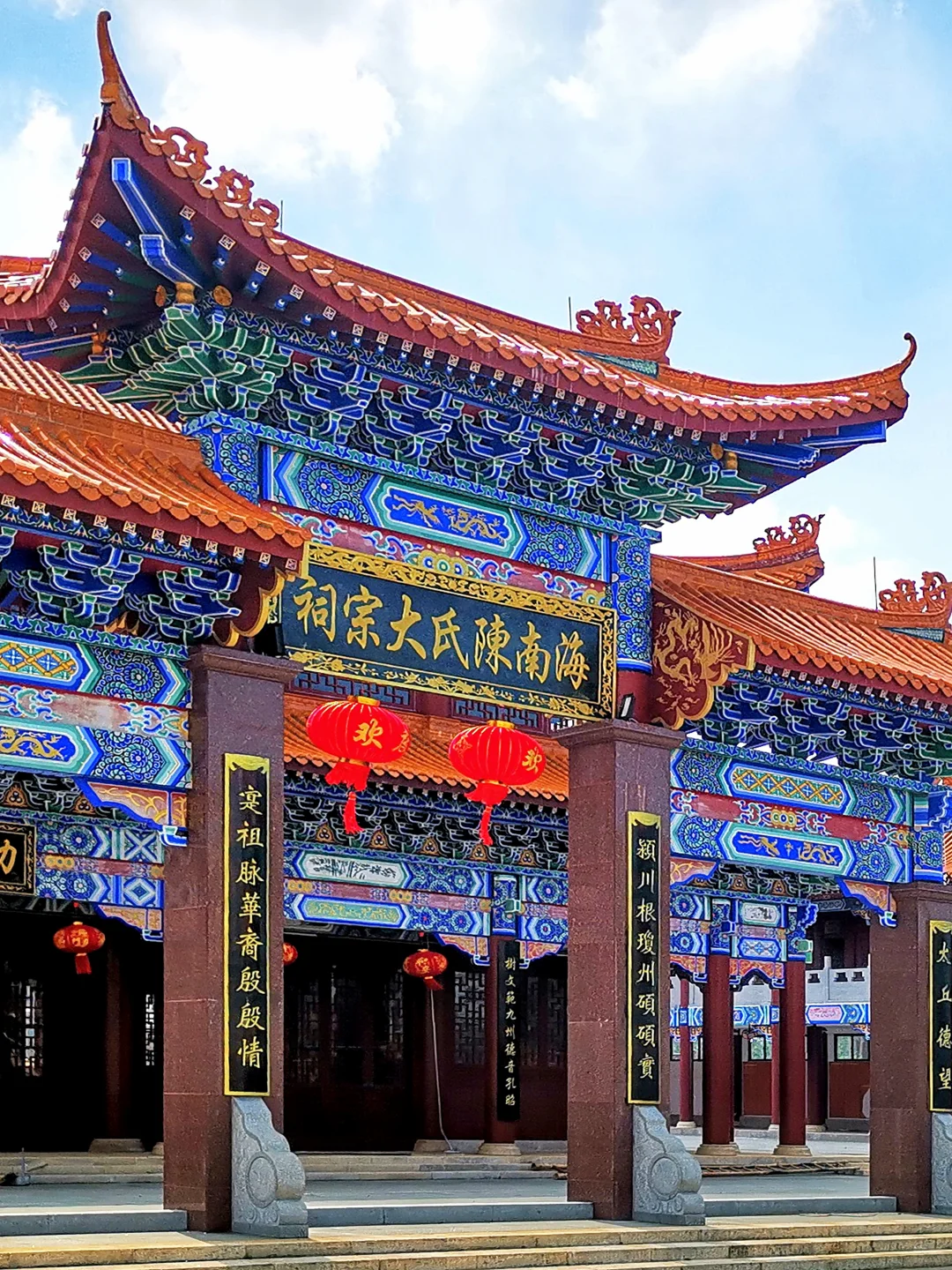
“Hainan Chen Ancestral Hall” is written across the entrance. The building makes one Chen lineage visible in a specific place. It cannot tell us how common Chen is across all of China.
Wang and Wong are not a safe statistical merge
Roman letters are where many English-language surname lists quietly lose control of the question.
Wang is the standard Hanyu Pinyin spelling of 王 in Mandarin. A family may use a different established spelling because its name passed through Cantonese, another Chinese language, an older romanization system or an immigration record. The same Roman spelling can also conceal different Chinese characters. That means a spreadsheet of English surnames cannot always be converted back into an accurate Chinese-character ranking.
The practical fix is to keep three fields separate:
| Field | Example | Why it matters |
|---|---|---|
| Chinese character | 王 | Identifies the written surname in Chinese |
| Family spelling | Wang or an established family form | Respects how the person actually writes the name |
| Pronunciation context | Mandarin, Cantonese or another language | Explains why spellings may differ without declaring one “wrong” |
Do not “correct” someone's surname to Pinyin because a search result uses another spelling. A diaspora spelling can be a compact migration record. It may preserve the pronunciation used by a grandparent, the convention of a hometown or the form fixed by documents generations ago.
This is one reason the broader Chinese language guide matters. “Chinese” contains multiple spoken languages and regional varieties, while one character can travel through several sound systems. Characters give us a stable visual clue. They do not erase linguistic history.
How Chinese surname order actually works
In a Chinese-language name, the family name normally comes first. The Chinese Consulate-General in Barcelona's naming guidance gives 王小明 as the example and writes it as WANG XIAOMING: Wang is the surname, Xiaoming is the given name.
That order is easy to understand and easy to mishandle. International forms may display the same person as Xiaoming Wang. Some people keep Chinese order in Chinese and Western order in English. Others use an English given name beside a Chinese surname. The order on one website is not enough evidence to rename someone elsewhere.
Most Han Chinese surnames use one character, but compound surnames use two. Ouyang (欧阳), Sima (司马) and Shangguan (上官) are well-known examples. Do not split Ouyang into a middle name and surname simply because an English form expects every name to fit that pattern.
When the order is unclear, ask one neutral question: Which part is your family name? For research or a formal credit, ask for the Chinese characters too. That small courtesy prevents more errors than memorizing a hundred names.
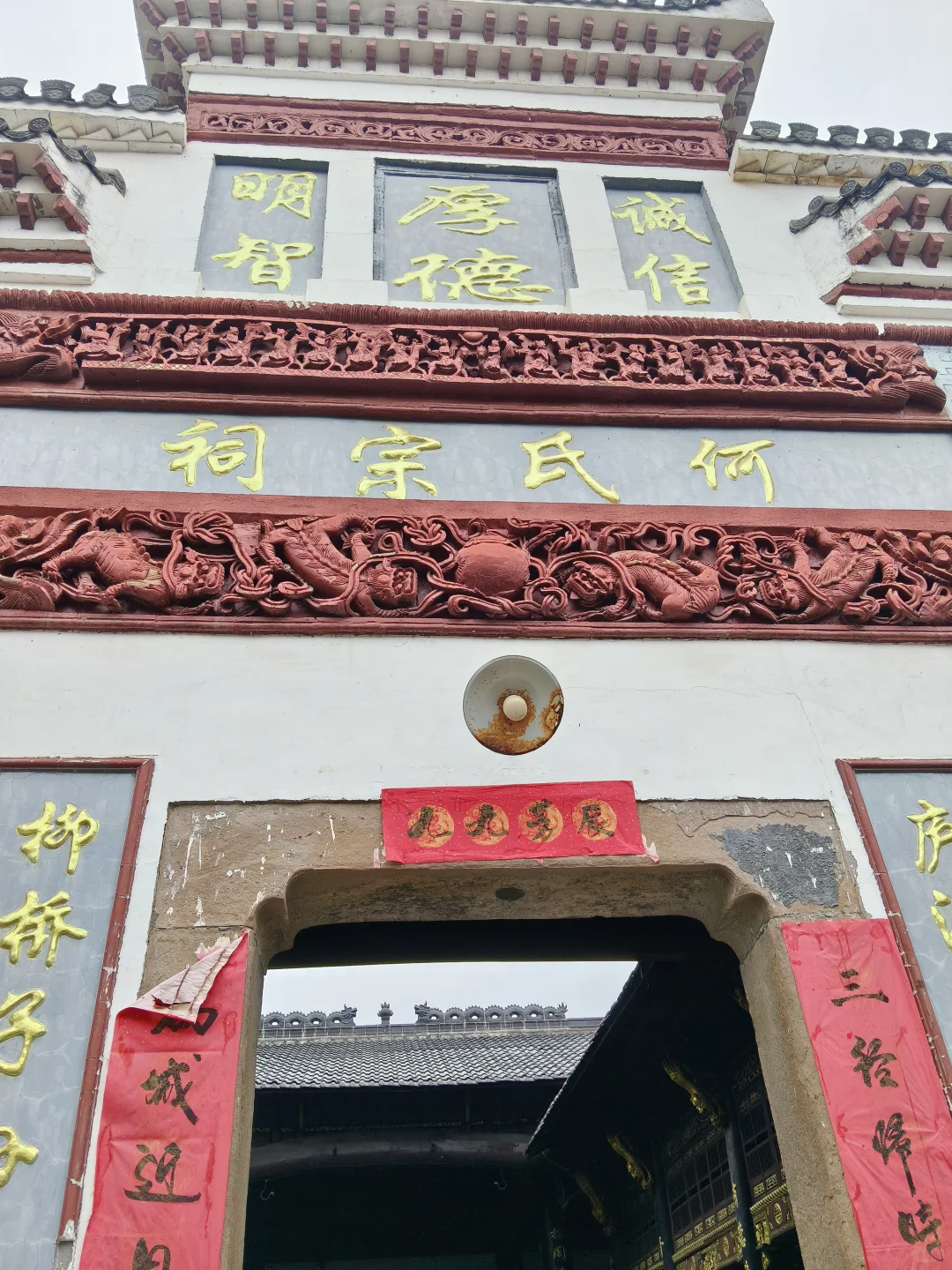
The characters 何氏宗祠 identify this building with the He surname. They do not prove that every He family belongs to this hall or shares its history.
A shared surname does not make two people cousins
This is the most important correction in the whole article. Wang's national rank tells us frequency. It does not establish kinship.
Chinese surnames spread through long histories of migration, adoption, political change, transliteration and local branching. Two Wang families can have separate origins and no traceable relationship. Even within one county, a surname may contain several branches with different genealogies. A clan hall belongs to a community that built, used and maintained it. It is not headquarters for everyone who shares the character.
At the same time, local lineage institutions are not museum fiction. Ancestral halls can hold tablets, stage ceremonies, preserve inscriptions and connect a present community to named predecessors. Family genealogies can record generation names, marriages, places of origin and movements between settlements. The exact contents and reliability vary. They should be read as situated records, not as a universal family tree for China.
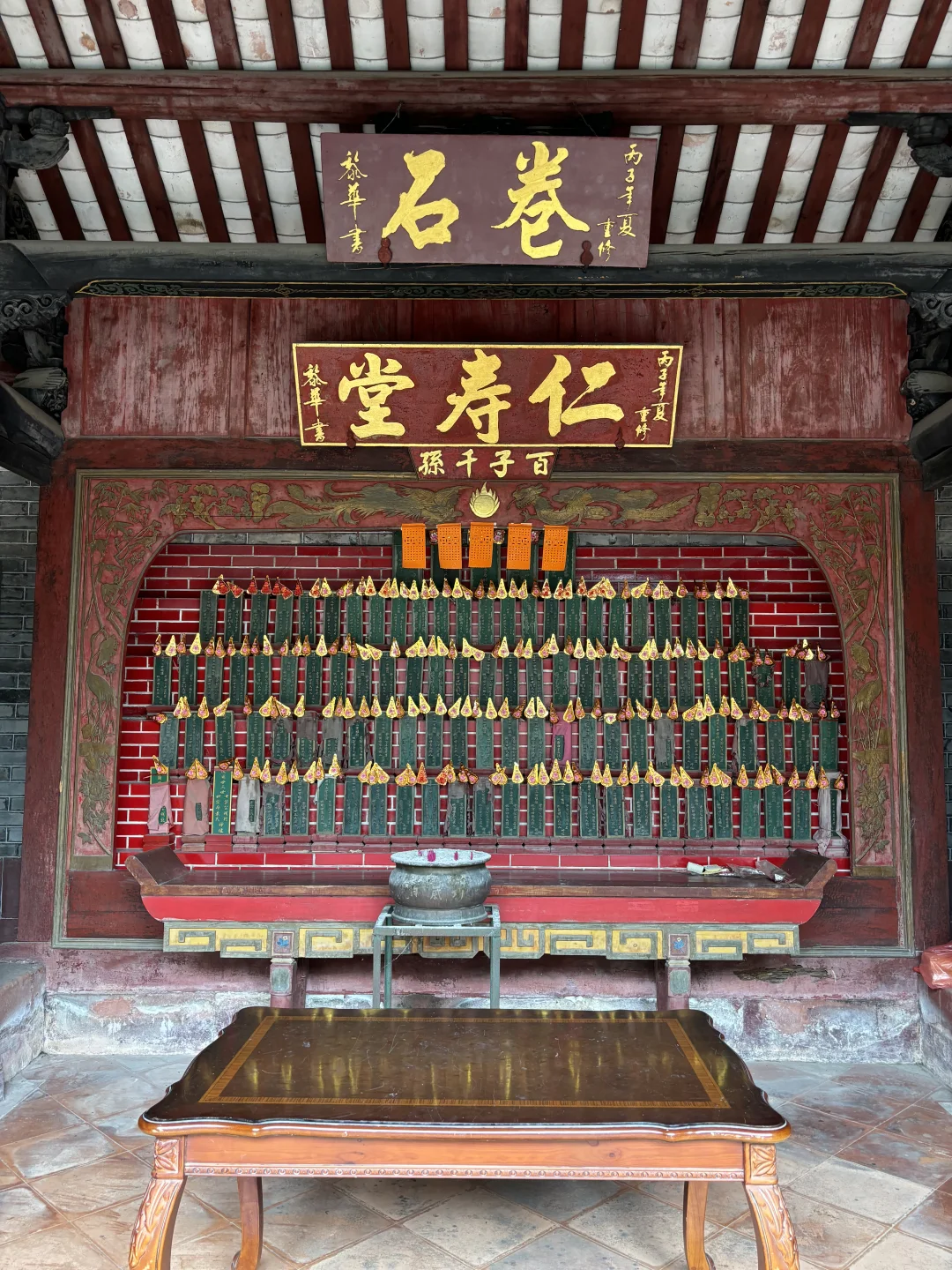
This hall arranges many named tablets beneath shared architectural signs. The image shows a lineage memory system in one village. It cannot identify every person represented or verify each genealogical connection.
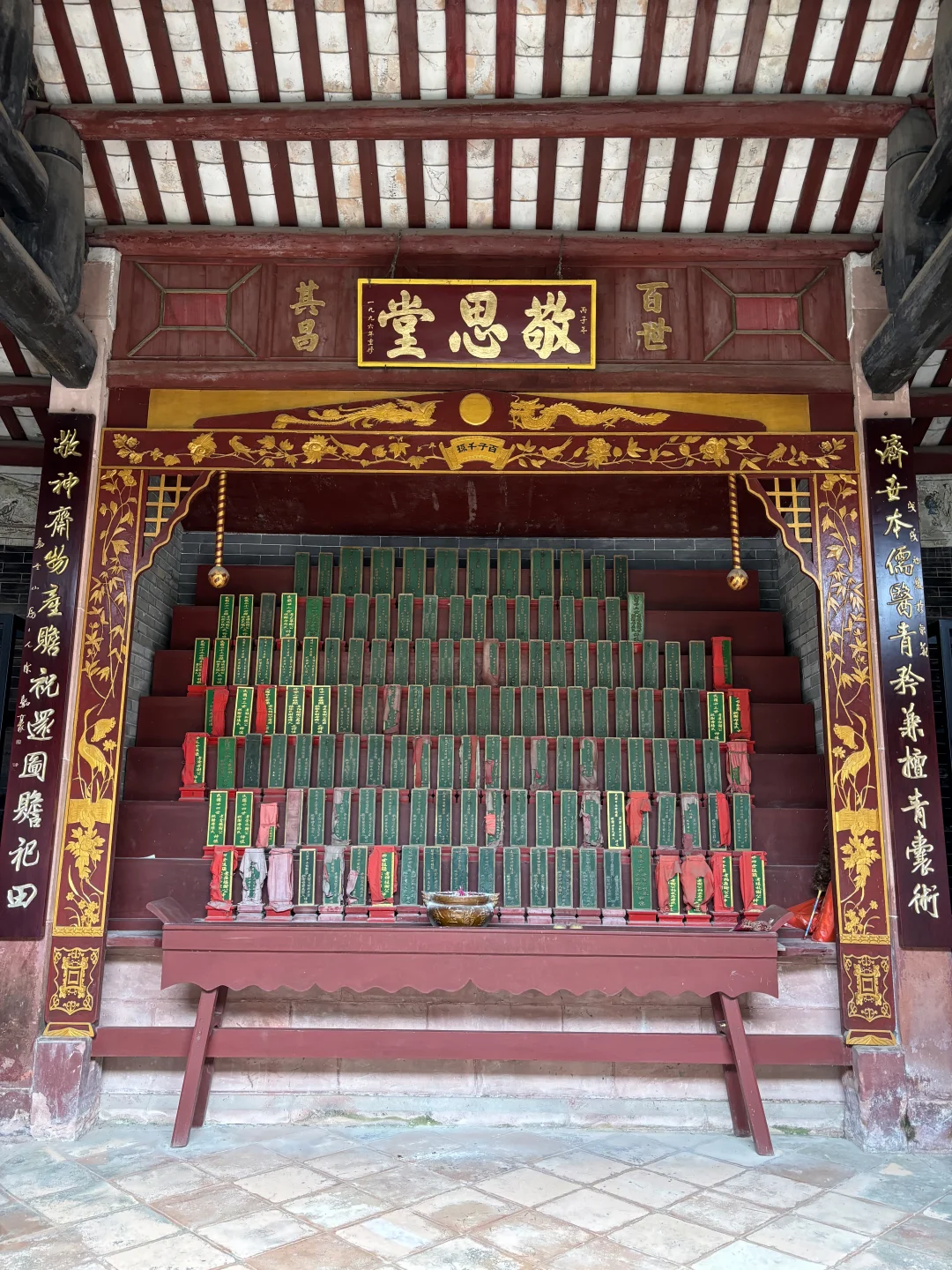
A different memorial space in the same documented source uses another tiered arrangement. The two views are not interchangeable: one shows the breadth of tablets beneath Ren Shou Tang, while this one shows the hierarchy beneath Jing Si Tang.
A Southeast University Library introduction to the Shanghai Library genealogy catalog reports roughly 22,000 genealogy titles and more than 110,000 volumes, covering 335 surnames and over 20 provincial-level areas. The size of that collection is the point. “The Wang family tree” cannot be one book. Local records multiply because family history is local before it becomes national data.
The Chinese traditions and customs guide gives a wider route into ancestor remembrance and household practice. Confucianism helps explain why relationships, ritual roles and obligations became such durable intellectual questions. Neither route should be used to claim that every contemporary Chinese person participates in a lineage organization.
What a surname can tell an overseas reader
A Chinese surname is useful when you let it answer the right-sized question.
It can help you identify the family-name position in a Chinese name. Its character can distinguish names that look identical in Roman letters. A family spelling may preserve language and migration history. A genealogy or ancestral hall may connect one branch to a place. Population data can show national and regional concentration.
It cannot reveal personality, politics, class, religion or family closeness. It cannot tell you that two people are related. It does not give permission to treat a person as a representative of an imagined clan.
When you meet an unfamiliar Chinese name, use this order:
- Keep the name in the order the person uses.
- Ask which part is the family name if the context does not make it clear.
- Record the Chinese character when accurate identification matters.
- Preserve the person's established Roman spelling.
- Ask about regional or family history only when it is relevant and welcome.
That method is more respectful and more accurate than guessing from a top-ten list.
The answer is Wang, but the useful question comes next
Wang is the most common last name in China in the 2020 mainland household-registration ranking. Li leads the newborn list for that year. Zhang, Yang and Huang lead in some regional examples. Different answers can all be accurate when their samples differ.
The mistake is stripping away the sample and turning a dated statistic into a timeless cultural fact. The better move is to keep the character, spelling, place and family record separate. Then a common surname stops being a trivia answer and becomes a precise way to notice how national scale and local memory coexist.
The parent Chinese culture guide connects surnames to language, family, ritual and migration. Chinese festivals is the next useful route when you want to see how family memory enters the calendar through reunion and remembrance.
In the comments, tell me: Which Chinese surname have you seen written in more than one way, and what did the Chinese character or family history clarify? If you have a family spelling story you are comfortable sharing, add the character, spelling, place and language context to the surname field project. The page will become more useful when those local records begin correcting the national list.