Bow geometry before the sounding note
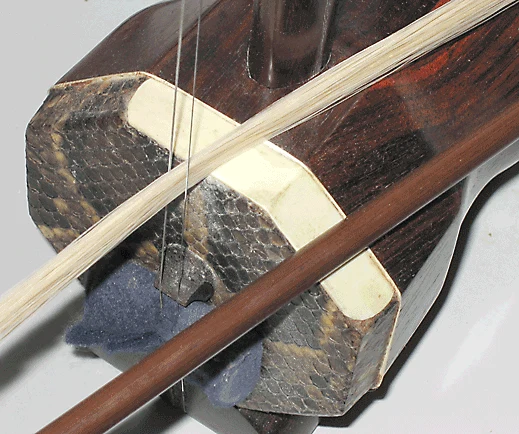
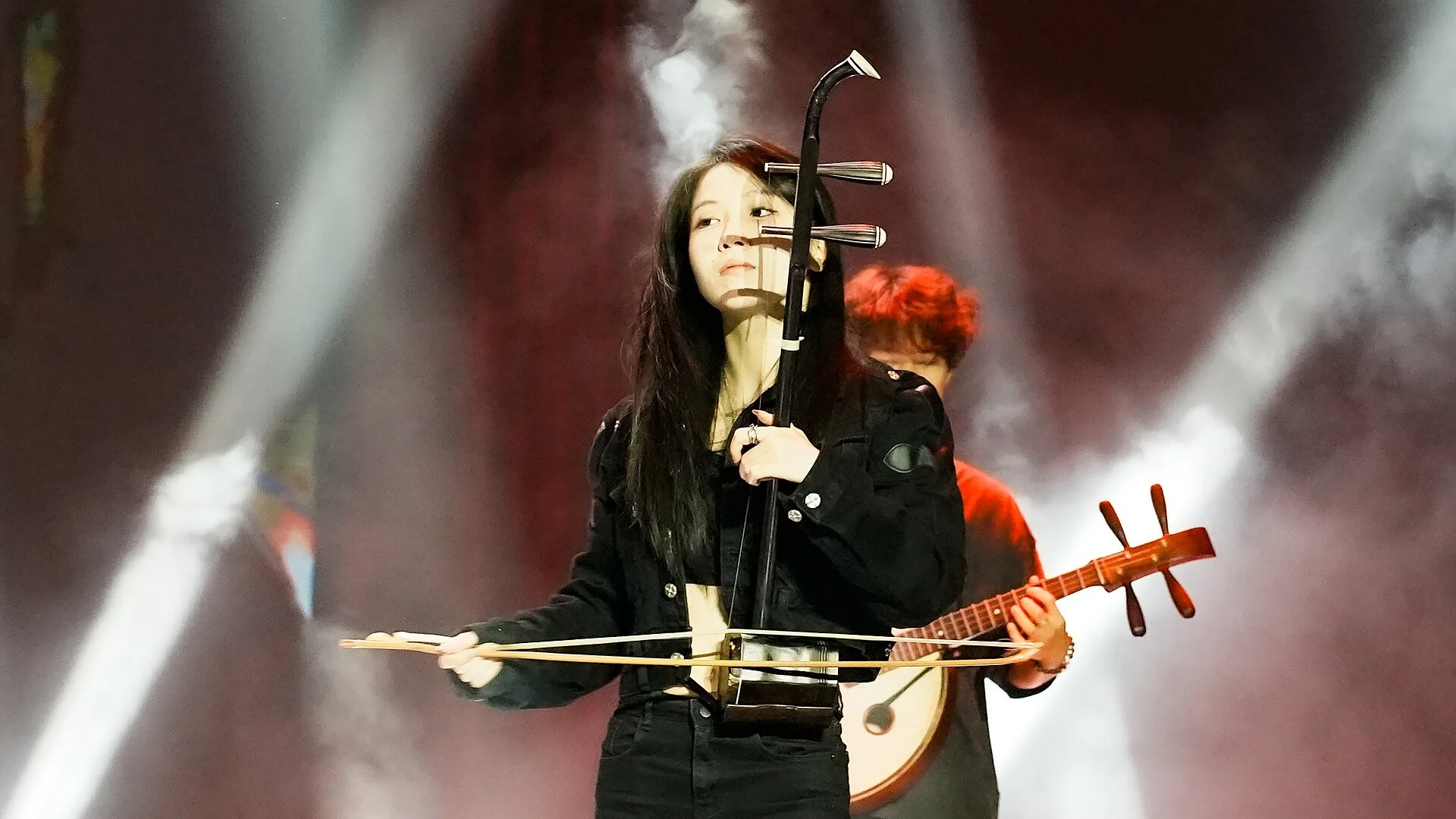
Partial editorial baselineA public-domain detail makes the bow hair between two strings visible, while a contemporary stage photograph shows horizontal bow travel against a vertically held erhu.
Reader-built field atlas
An erhu note becomes explainable when bow contact, left-hand location and audible pitch movement remain connected without assigning the player an emotion.
Frame 1
A full playing view showing vertical instrument, left hand and horizontal bow travel
Frame 2
A closer bow-contact or left-hand view from the same player and phrase
What the note must add
Record setting, timestamp and whether the instrument is solo or in a section. Describe attack, slide, vibrato, pressure or spacing before naming an emotion; a still cannot prove pitch or bow force.
Submissions remain private until East Moment reviews the rights, specificity and usefulness of the record.
These are East Moment editorial records built from authorized or rights-cleared imagery. They are not reader submissions and do not count toward the public record total.
A public-domain detail makes the bow hair between two strings visible, while a contemporary stage photograph shows horizontal bow travel against a vertically held erhu.
The first approved record will connect one visible contact to one audible change. An expressive portrait without a timestamp cannot complete the Atlas.