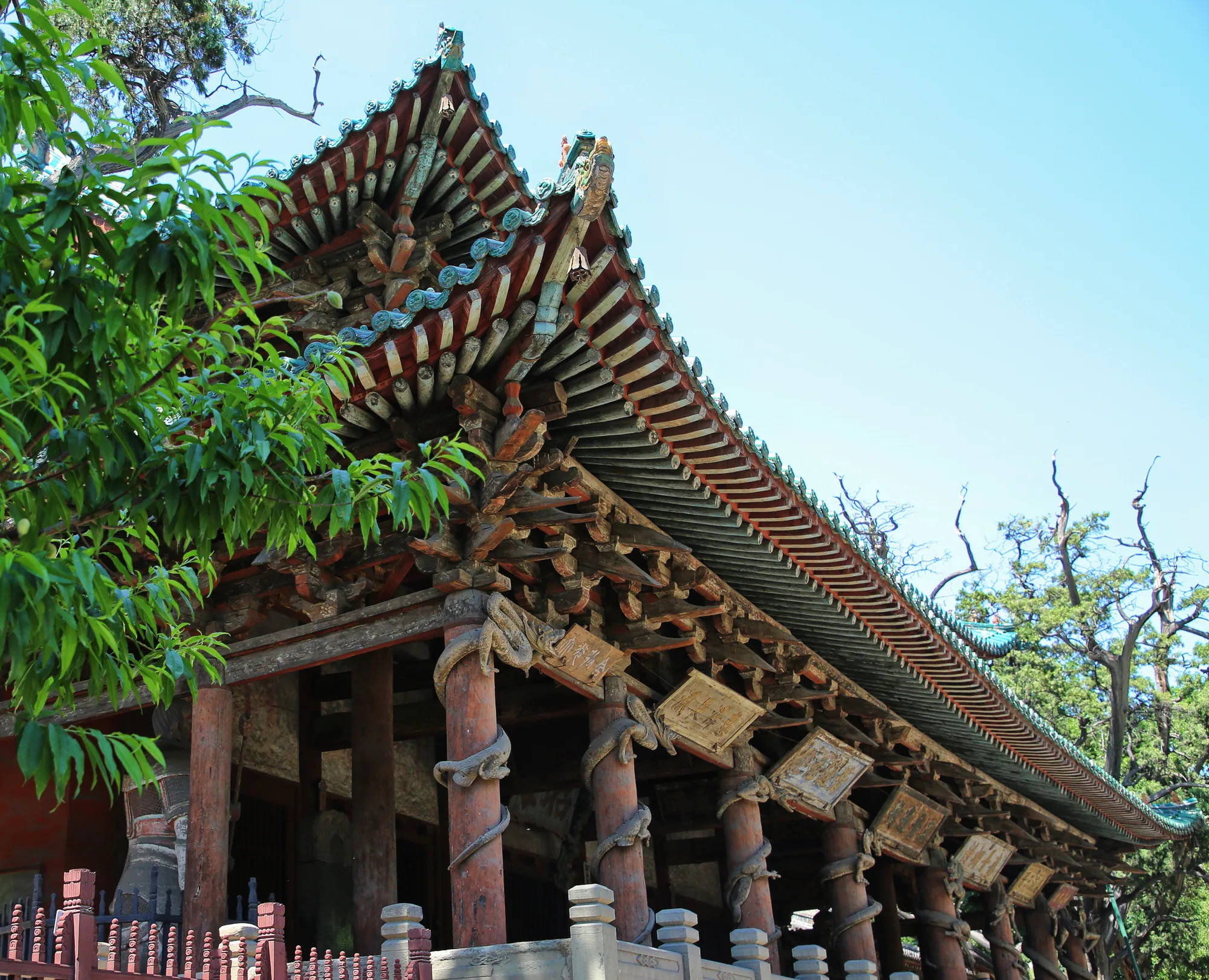
Jinci facade and the bracket junction
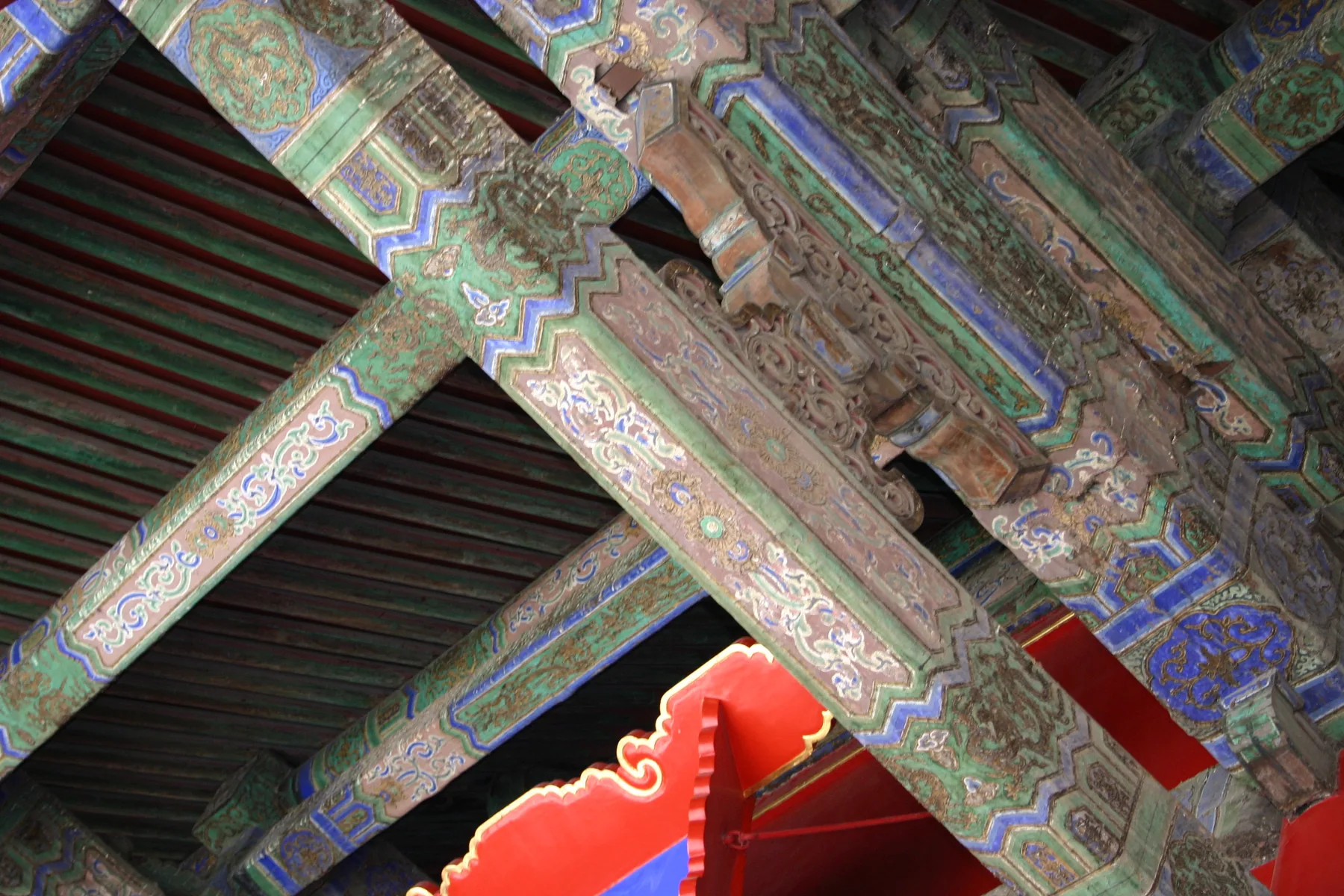
Partial editorial baselineAn authorized Jinci photograph keeps columns, deep eaves and layered bracket zones in one frame, while a separate Forbidden City detail shows how individual painted members overlap.
Reader-built field atlas
A bracket close-up becomes architectural evidence only when the column, beam and eave around it remain recoverable.
Frame 1
The whole facade or corner with columns and roof visible
Frame 2
One bracket set close enough to inspect while retaining its location
What the note must add
Name the building, bracket position and documented date or restoration note. Mark where the load path disappears, and do not claim hidden joints, nail-free construction or seismic performance from photographs alone.
Submissions remain private until East Moment reviews the rights, specificity and usefulness of the record.
These are East Moment editorial records built from authorized or rights-cleared imagery. They are not reader submissions and do not count toward the public record total.
An authorized Jinci photograph keeps columns, deep eaves and layered bracket zones in one frame, while a separate Forbidden City detail shows how individual painted members overlap.
The first approved record will connect one bracket detail to its complete building. A spectacular close-up without location cannot complete the Atlas.