Three public dance settings before their rules are recovered
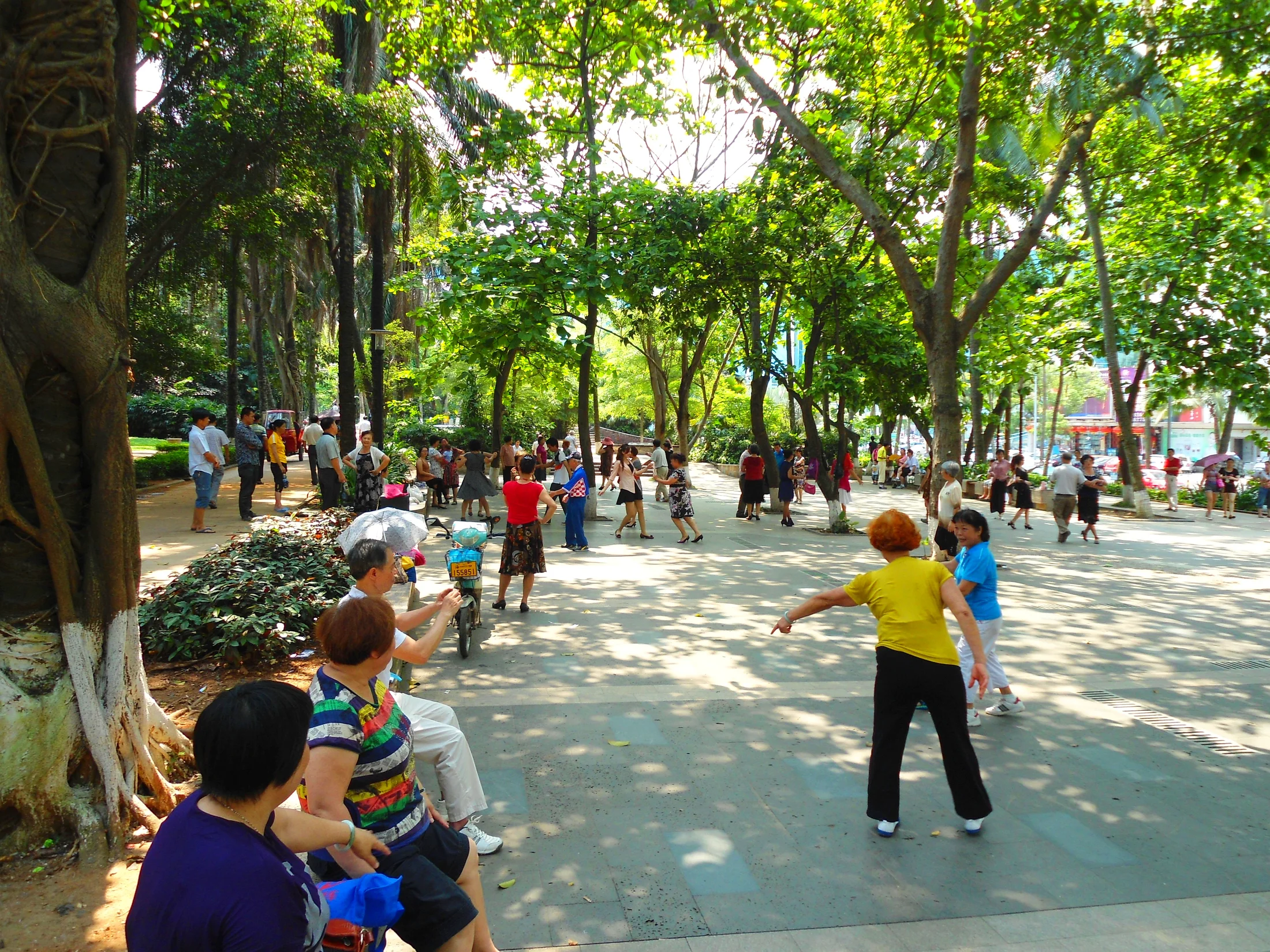
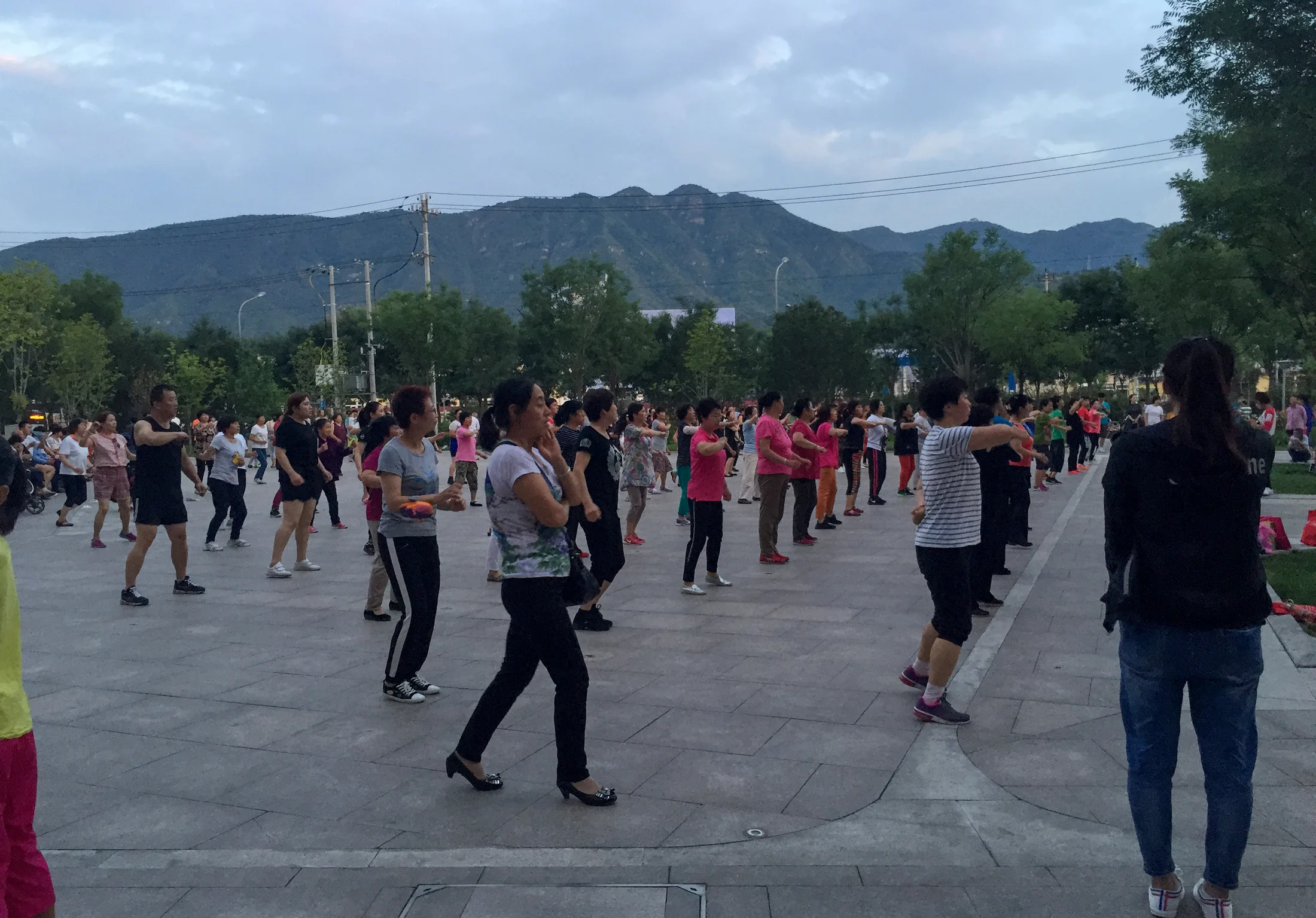
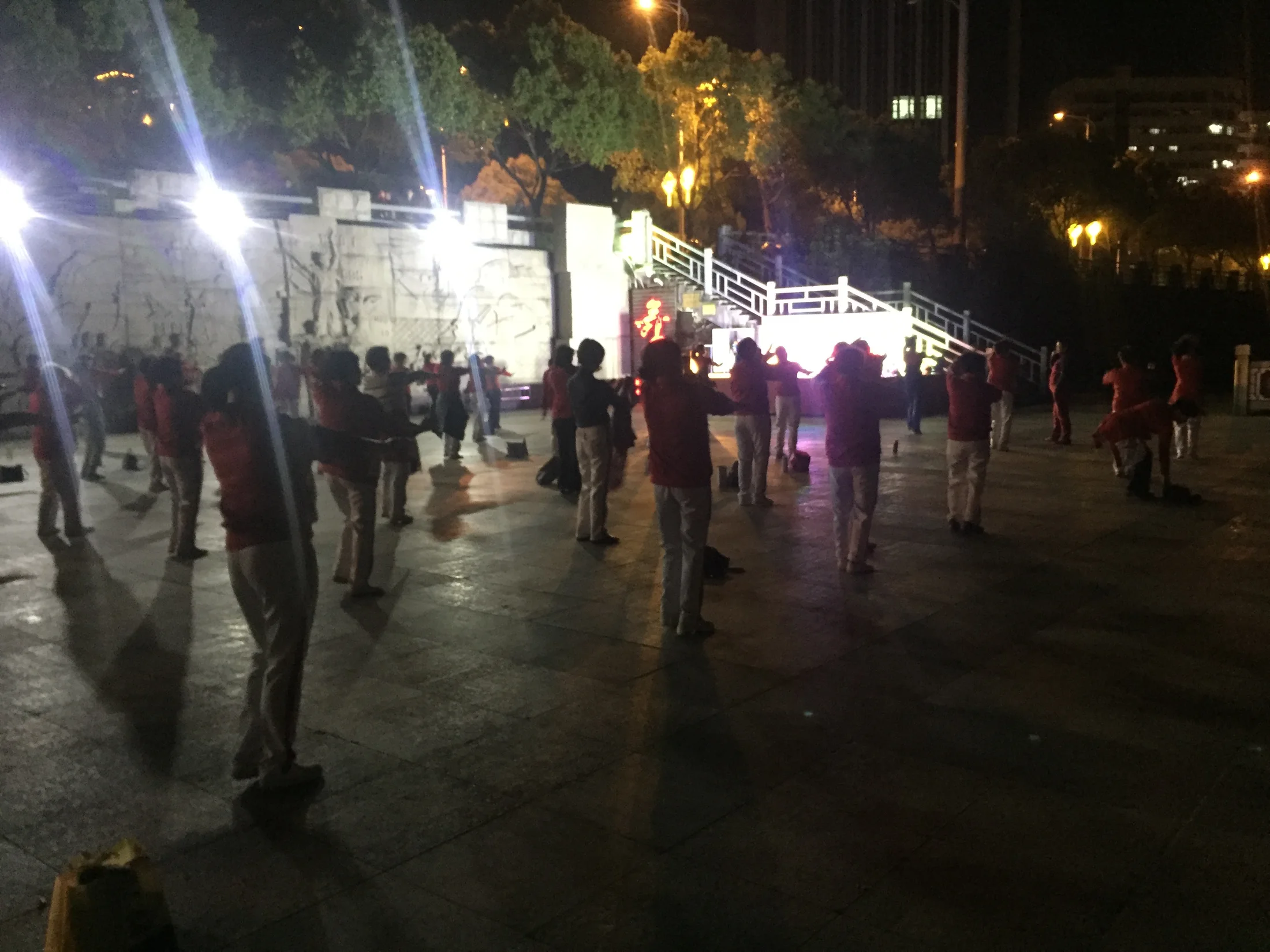
Unmatched spatial baselineOpen-license photographs from Haikou, Beijing and Fuding show bounded daytime movement, organized rows at dusk and coordinated dancing at night.
Reader-built field atlas
A public dance space works through an inspectable agreement about time, boundary, sound, entry and neighboring uses, whether that agreement is written, improvised or contested.
Frame 1
A wide view showing the dance area, its edges and neighboring public uses
Frame 2
A second view showing the speaker, entry point, leader position or shared route that shapes the agreement
What the note must add
Record city, date and time, then return at another hour or season when possible. Do not infer consent, group membership, sound level or neighborhood approval from a silent photograph.
Submissions remain private until East Moment reviews the rights, specificity and usefulness of the record.
These are East Moment editorial records built from authorized or rights-cleared imagery. They are not reader submissions and do not count toward the public record total.
Open-license photographs from Haikou, Beijing and Fuding show bounded daytime movement, organized rows at dusk and coordinated dancing at night.
Approved records will connect a wide spatial view to one practical rule and, ideally, a later return. A close portrait or generic celebration of community cannot complete the Atlas.