Silk is a fiber claim, not a movement description. A still textile view beside the same garment being worn or moved can reveal how weave, lining and cut turn fiber into behavior.
The still or laid-flat garment with weave, lining and complete cut recoverable
Frame 2
The same garment worn or moving, with folds and transparency visible and the wearer's consent recorded
What the note must add
Name fiber, weave, maker, date and place only when documentation supports them. Do not use shine as a silk test, infer hand feel from a screen or treat one posed fold as proof of comfort, quality or ethical production.
Submissions remain private until East Moment reviews the rights, specificity and usefulness of the record.
Editorial founding evidence
A visible baseline, with the gaps left open
These are East Moment editorial records built from authorized or rights-cleared imagery. They are not reader submissions and do not count toward the public record total.
Open gauze and a complete robe before motion
Unmatched museum structure baseline
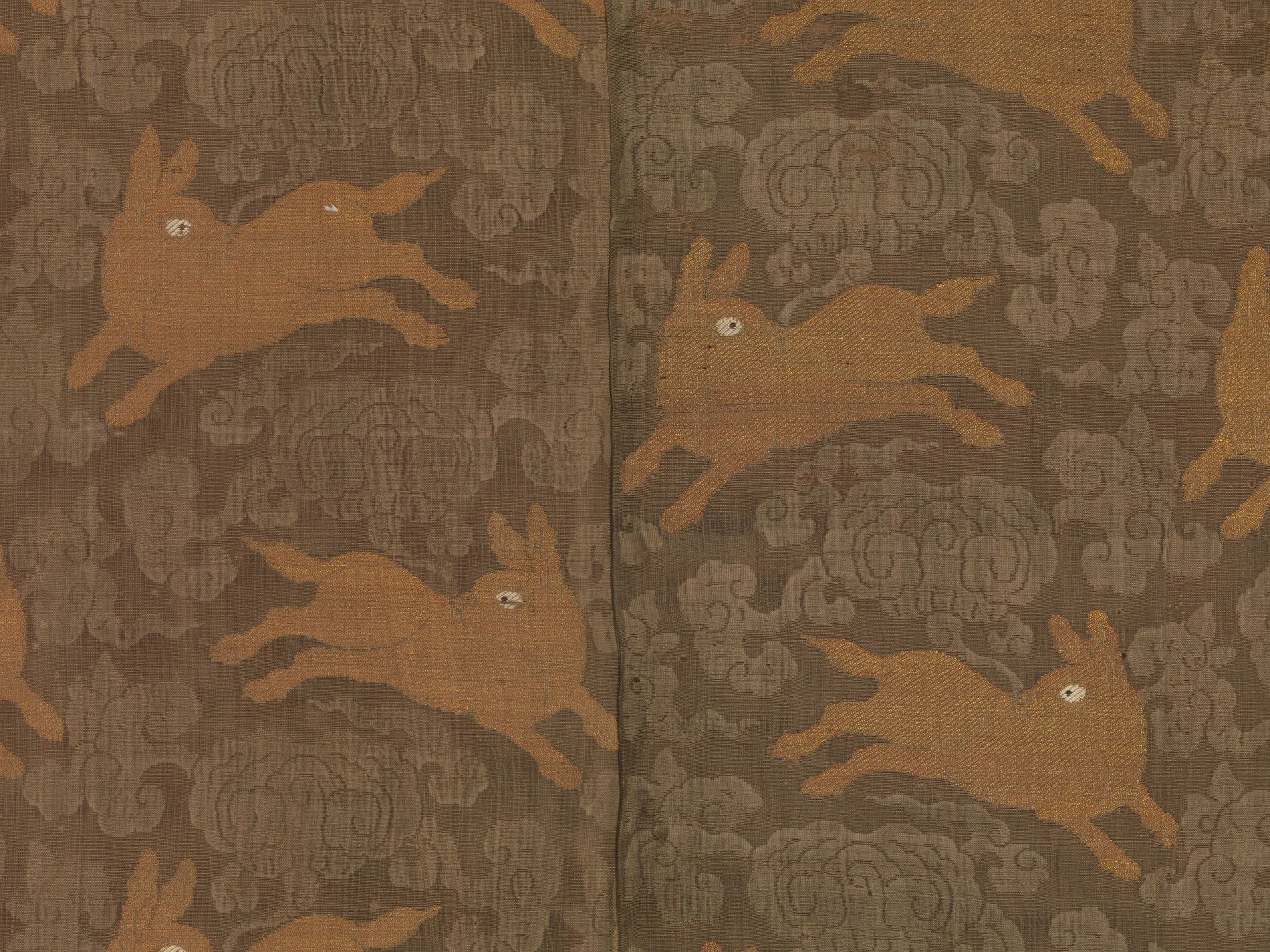
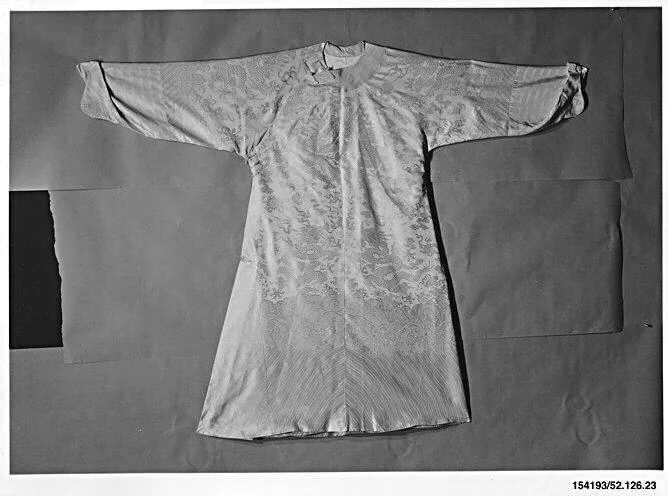
Two public-domain Met records establish useful static evidence: a brocaded gauze panel exposes open ground and supplementary patterning, while a complete woven robe restores scale, sleeves, opening and cut.
Visible: open ground and supplementary woven pattern. Missing: garment cut and motion.
Visible: complete robe scale, sleeves and opening on another textile. Missing: a wearer and movement sequence.
Still missing: The panel and robe are different objects, neither is shown on a moving body and the photographs cannot recover hand feel, weight, fold return, comfort or the behavior of one garment before and after movement.
Approved reader records
The Atlas in public
No same-garment still-and-motion record has cleared review yet.
The first approved pair will connect textile structure to movement. A glossy product photograph or two unrelated silk objects cannot complete the Atlas.