Are DJI drones banned in the US? Not as one clean, blanket sentence. As of August 20, 2026, it is wrong to tell an existing DJI owner that every drone has suddenly become illegal to fly. It is also wrong to tell a prospective buyer that the U.S. market is business as usual. The FCC's Covered List now includes foreign-produced uncrewed aircraft systems and critical components, while FAA operating rules still govern how a pilot flies. The consequence is a messier but more useful answer: existing use, future authorization, future sales and import, and normal flight compliance are four different questions.
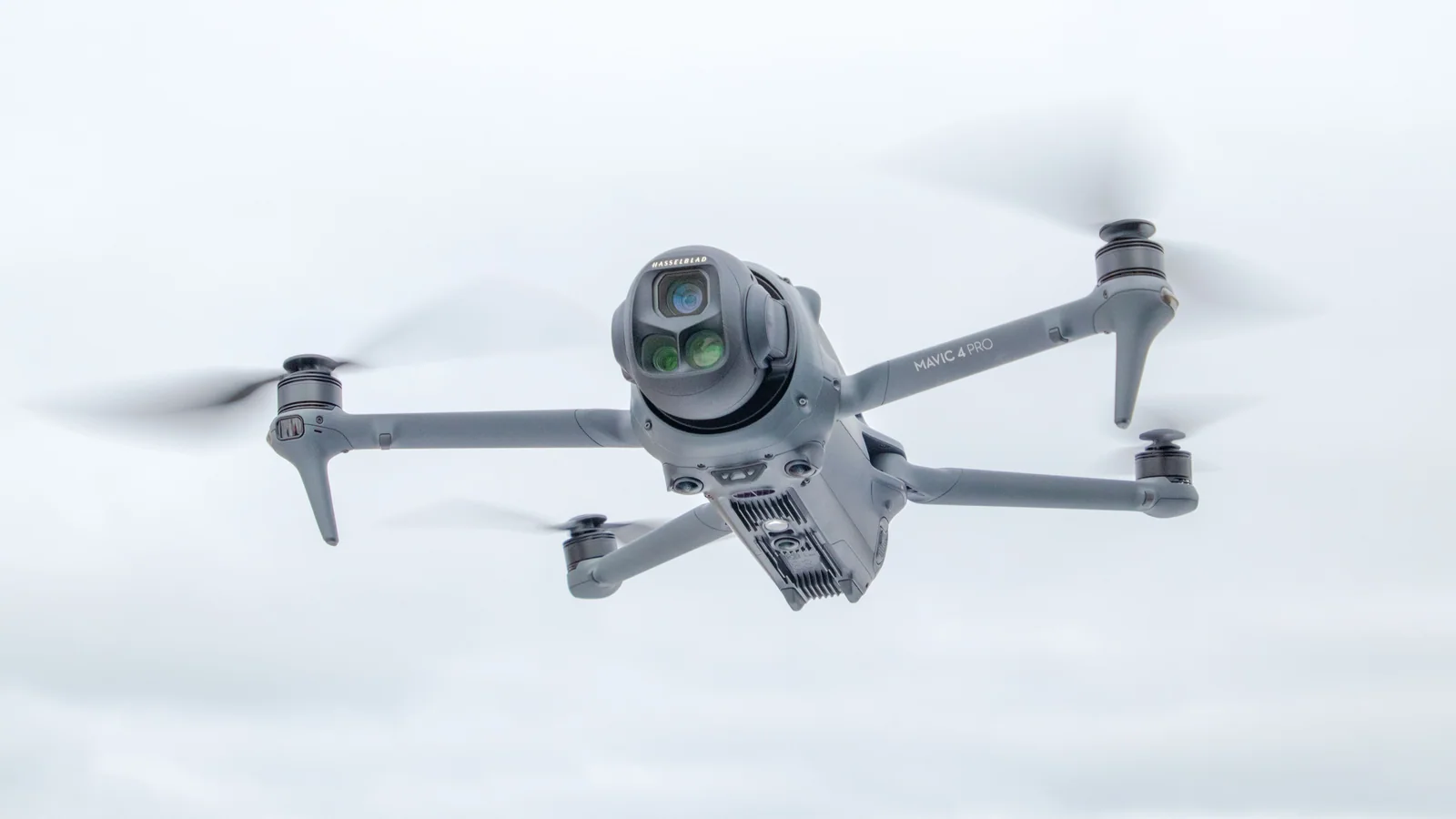
The cover is a DJI Mavic 4 Pro photographed in flight in New York in December 2025. That visible aircraft does one useful job: it anchors the question in a real model operating in the United States. It does not prove the legality of that flight, the status of another model, or what a buyer can purchase today.
Are DJI drones banned in the US for people who already own one?
For an owner asking “Can I take my drone out this weekend?”, the first answer is not a brand ban. The FAA's operating rules still matter: how and where you fly, registration where required, Remote ID where applicable, visual-line-of-sight limits, airspace and any temporary restrictions. The FAA's current Part 107 guidance says nothing like “a DJI owner may no longer fly because of the brand.”
That does not make the policy story trivial. It means the headline must be precise. A rule about whether newly covered equipment receives FCC authorization is not automatically a rule grounding every device already in a backpack. A proposal about future import and sale is not the same thing as a changed FAA flight rule. And the FAA's Remote ID acceptance database can contain records for individual DJI models; that is useful evidence for a specific compliance question, not a universal promise about every model, sale or future repair.
I would keep flying only if I can still meet the normal FAA requirements for my exact operation. I would not buy a replacement by assuming that yesterday's availability tells me what next season will look like. Those two decisions deserve different evidence.
What the FCC Covered List actually changed
On December 22, 2025, the FCC added foreign-produced uncrewed aircraft systems and UAS critical components to its Covered List. The current FCC list records that category and its subsequent updates, including specific exceptions and conditional approvals. The listing is not merely a headline about DJI; it is a regulatory category with defined exceptions, dates and an evolving process.
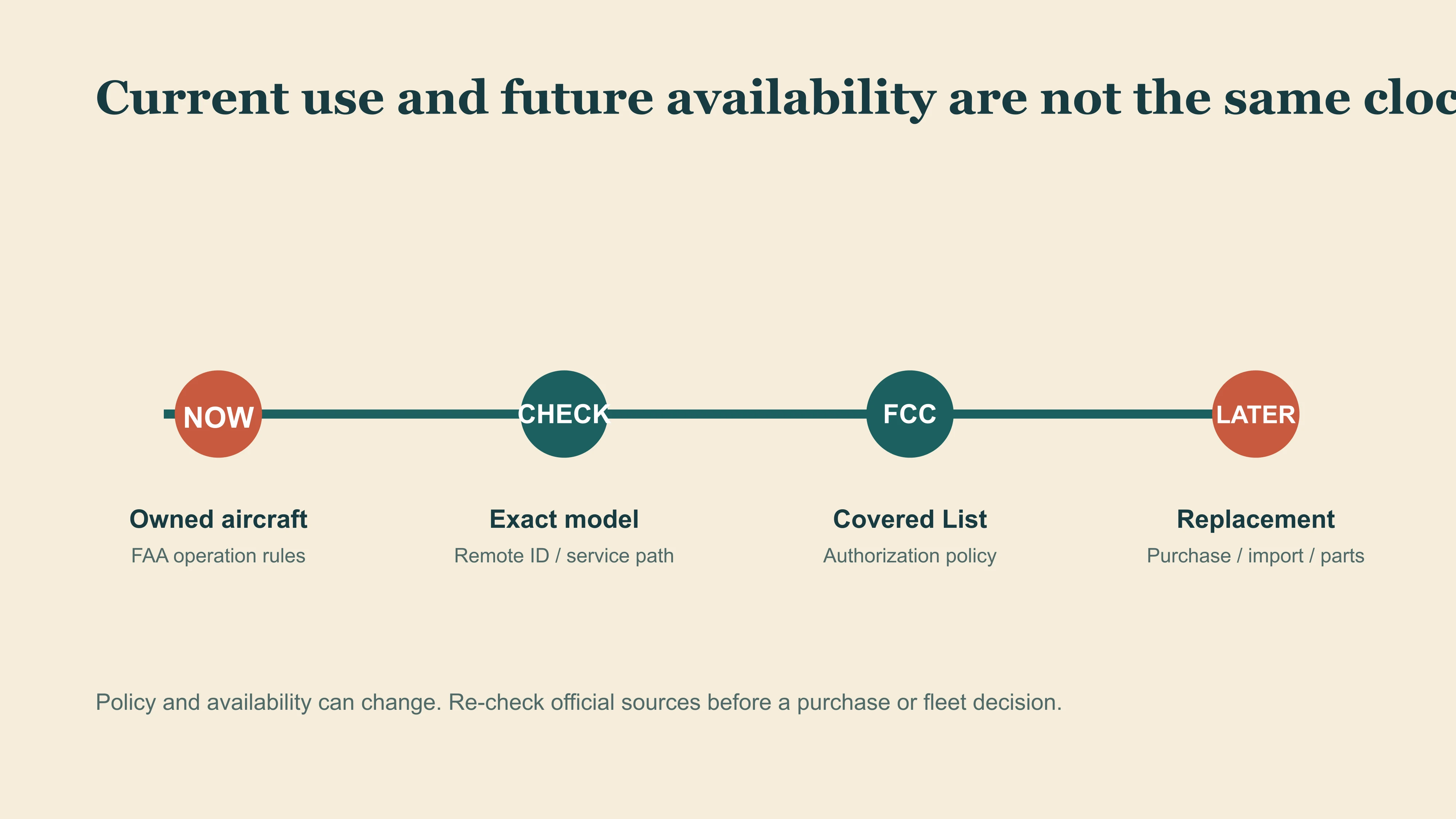
The practical point for a buyer is that FCC equipment authorization is a gate for equipment entering the U.S. market. That matters most sharply for a future product or a replacement product that still needs the relevant authorization. It does not let us honestly collapse every question into “DJI is banned.” The FCC's December 2025 notice and its July 2026 Covered List update are the primary documents to read when a claim concerns the list itself.
There is a human reason this distinction matters. A hobbyist sees a drone as a weekend camera. A farmer may see it as a field tool. A small production crew may see it as a working lens; a first responder may see it as a way to look before walking into danger. “Ban” sounds definitive, but those people need to know which exact decision has changed today: whether they can operate what they own, whether they can buy a specific item, whether a repair part will arrive, or whether a new model can be authorized. They are not interchangeable losses.

This is why the legal distinctions are not paperwork trivia. A drone turns a camera into a viewpoint that would otherwise require an aircraft, a tall structure or no photograph at all. The image proves the practical value of that elevated perspective; it cannot identify the aircraft model, prove that the flight complied with local rules, or settle the FCC question. For an owner, the policy debate is attached to photographs, paid work and a practiced way of seeing—not merely to a logo on a box.
Can you still buy a DJI drone in the US?
Do not answer from a marketplace listing alone. A listing proves that someone is advertising something; it does not prove a durable supply chain, FCC status, warranty route or future replacement-part availability. The regulatory pressure is most important for future availability and for equipment that needs authorization or falls within a later restriction. That makes “available today” a weaker promise than it used to be.
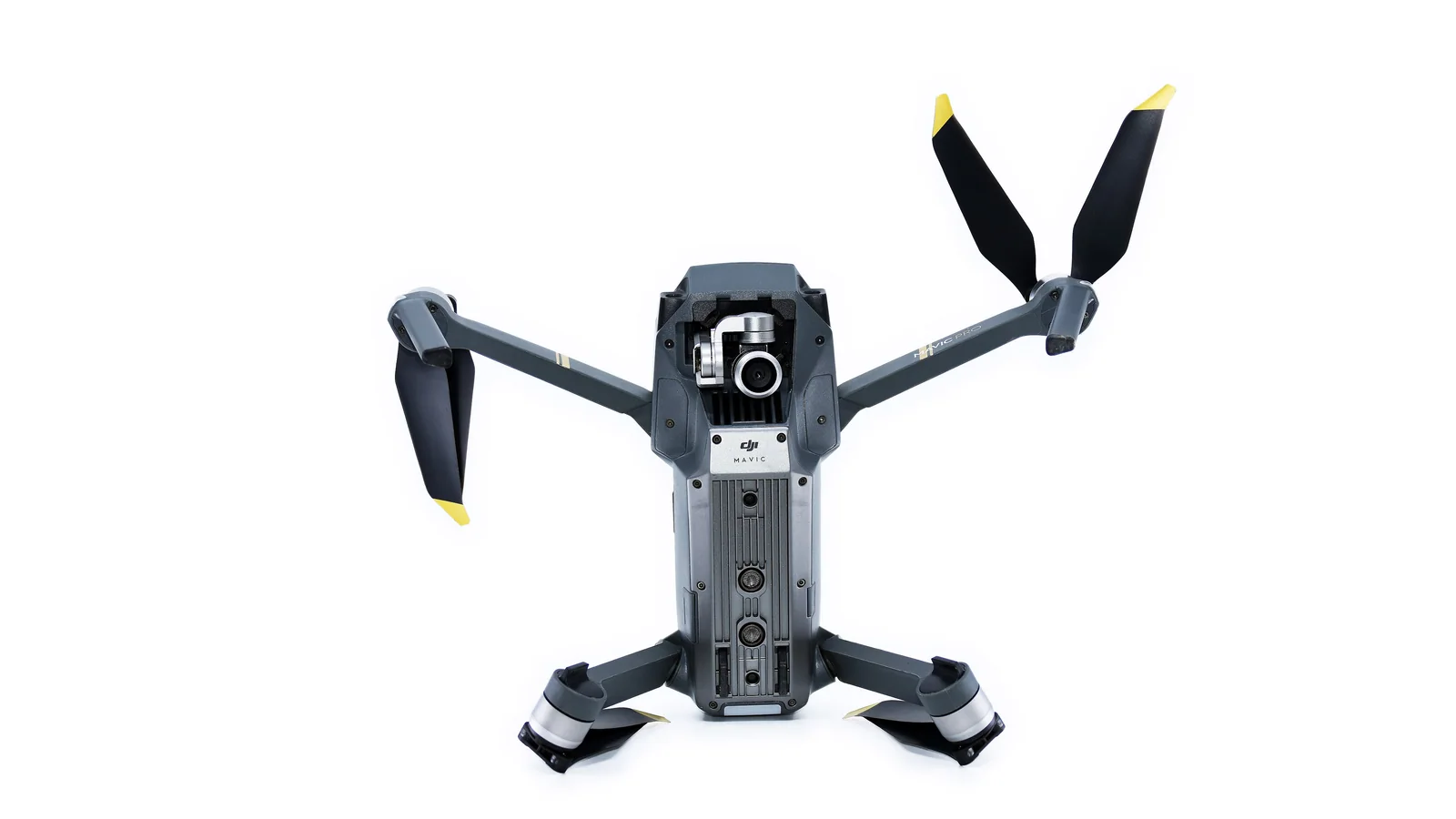
The hardware view explains why “the drone” is too vague for a serious purchase check. Aircraft, controller, camera system, battery, radio components and replacement parts do not share one automatic regulatory or support answer. The photograph identifies an older Mavic Pro; it cannot stand in for a Mavic 4 Pro, a Mini, an enterprise aircraft or a current FCC record.
The right buying questions are deliberately boring:
- What is the exact model and controller, not merely the series name?
- Is the seller an authorized channel with written return and warranty terms for the U.S.?
- What is the current FCC and Remote ID status of the exact model?
- If something breaks, who supplies the battery, propellers, controller, gimbal and repair work?
- Is the drone being bought for recreation, Part 107 work, public safety, agriculture or a regulated site with additional restrictions?
If the seller cannot answer the first four without improvising, I would not let a sale price choose for me. The cheapest drone becomes expensive when the battery, controller or service path becomes uncertain. This is not anti-DJI advice; it is the same discipline I would apply to any imported connected device whose future U.S. path has become a policy question.
FCC rules are not FAA flight rules
This is the distinction I wish more quick explainers made. The FCC question concerns covered equipment, authorization and the market pathway. The FAA question concerns aircraft operation. The latter can include registration, Remote ID, pilot qualifications for Part 107 operations, operating limits, airspace authorization and temporary flight restrictions.
The FAA says Part 107 covers commercial and government small-UAS operations under 55 pounds. Its plain-language guidance includes keeping the aircraft within sight, avoiding manned aircraft, following restrictions on operations over people, and generally staying at or below 400 feet above ground unless an exception applies. For recreational flyers, the relevant FAA route is different, but brand fear does not waive any of the ordinary rules.
The useful action is to inspect the FAA's UAS Declaration of Compliance database for the exact aircraft and the relevant declaration type, then check the FAA's current rules for the operation you actually plan. Do not treat a search result showing one DJI entry as proof that every aircraft is compliant, and do not treat the Covered List as a substitute for flight planning.
The future is the part no honest page can promise
Regulatory language and agency action can change; so can a model's distribution, parts inventory and FCC posture. DJI itself has argued that the policy could cut off future access to products, but a company's view of its own case is not the legal source that decides it. The page you should trust for the list's scope is the FCC's current publication, not a viral clip or a retailer's reassurance.
That uncertainty is frustrating because it creates a bad shopping rhythm. People rush to buy what looks available, then discover they have paid for the easiest part of ownership and ignored the longest part. My view is the opposite: pause long enough to decide whether you are buying a tool you can maintain for years, or a temporary opportunity whose support path you cannot explain.
For a casual flyer with a functioning, compliant drone, the most valuable thing may be simply to keep normal operating discipline and avoid panic. For a professional, agency or business replacing a fleet, the better move is documentation: exact models, existing Remote ID declarations, controller and battery availability, service contacts, mission requirements and a replacement plan. Good regulation writing does not tell both groups to feel the same way. It tells each what must be checked next.
A five-minute status check before you fly or buy
- Name the decision. Are you trying to fly an owned drone, repair one, buy an existing model, import equipment or plan a future fleet?
- Name the exact hardware. Aircraft, controller and relevant accessory matter more than a broad brand label.
- Check the FAA operation route. Registration, Remote ID, airspace and Part 107/recreational requirements depend on the use.
- Check the FCC source for market claims. Use the current Covered List and FCC notices for authorization and policy scope, not a reseller's social post.
- Price the support path. Confirm batteries, controller, repair, software and warranty arrangements before relying on the tool professionally.
Are DJI drones banned in the US? FAQ
Can I still fly a DJI drone I already own?
The FCC Covered List is not itself a blanket FAA grounding rule for every existing owner. You still need to follow the FAA rules that apply to your flight, including registration and Remote ID where required, airspace rules and the distinction between recreational and Part 107 operations.
Does the FCC Covered List mean no DJI drone can be sold in the US?
Do not reduce it to that sentence. The list affects covered equipment and authorization pathways, with scope, exceptions and updates that must be checked in the current FCC material. For a purchase, verify the exact model, seller, authorization status, warranty and service path.
Does Remote ID approval mean a DJI drone is safe to buy?
No. A Remote ID declaration answers a narrower FAA compliance question for the specific product and declaration. It does not settle market availability, import policy, warranty, parts supply or every operation rule.
Should I panic-buy a DJI drone?
No. Buy only when the specific model meets your actual mission and you can document the operating, warranty, repair and replacement path. Scarcity anxiety is not a maintenance plan.
The East Moment verdict: do not let one word erase four real decisions
“Banned” is the word that wins attention, but it fails the owner who needs to act tomorrow. In August 2026, the useful answer is to separate a functioning drone in your hands from the future market path for newly covered equipment, and both from the FAA rules that govern flight.
That is not a softer answer. It is a more demanding one. It asks an owner to fly responsibly and a buyer to stop treating a product listing as a guarantee of a future. For wider context on how a Chinese technology product can be compelling while its overseas route remains complicated, read the China technology hub and the BYD U.S. availability guide. Bring your exact aircraft and use case to Moments; that is where the right next question becomes visible.
The DJI ban question must be split into four decisions
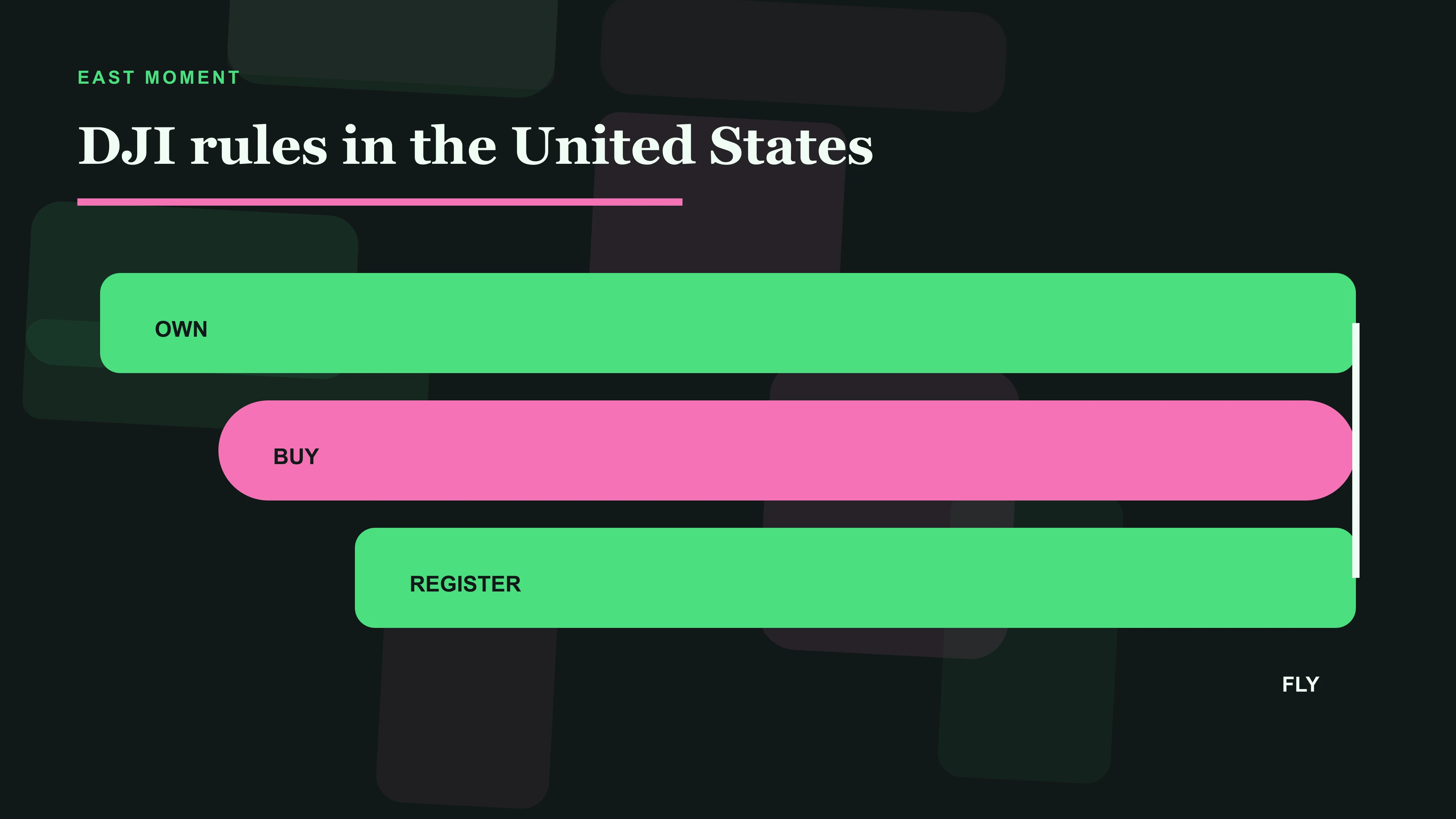
Owning an existing DJI drone, buying a new model, using it for a federal contract and flying it in a particular airspace are not the same legal act. A headline about procurement can be true while a consumer's existing flight remains lawful.
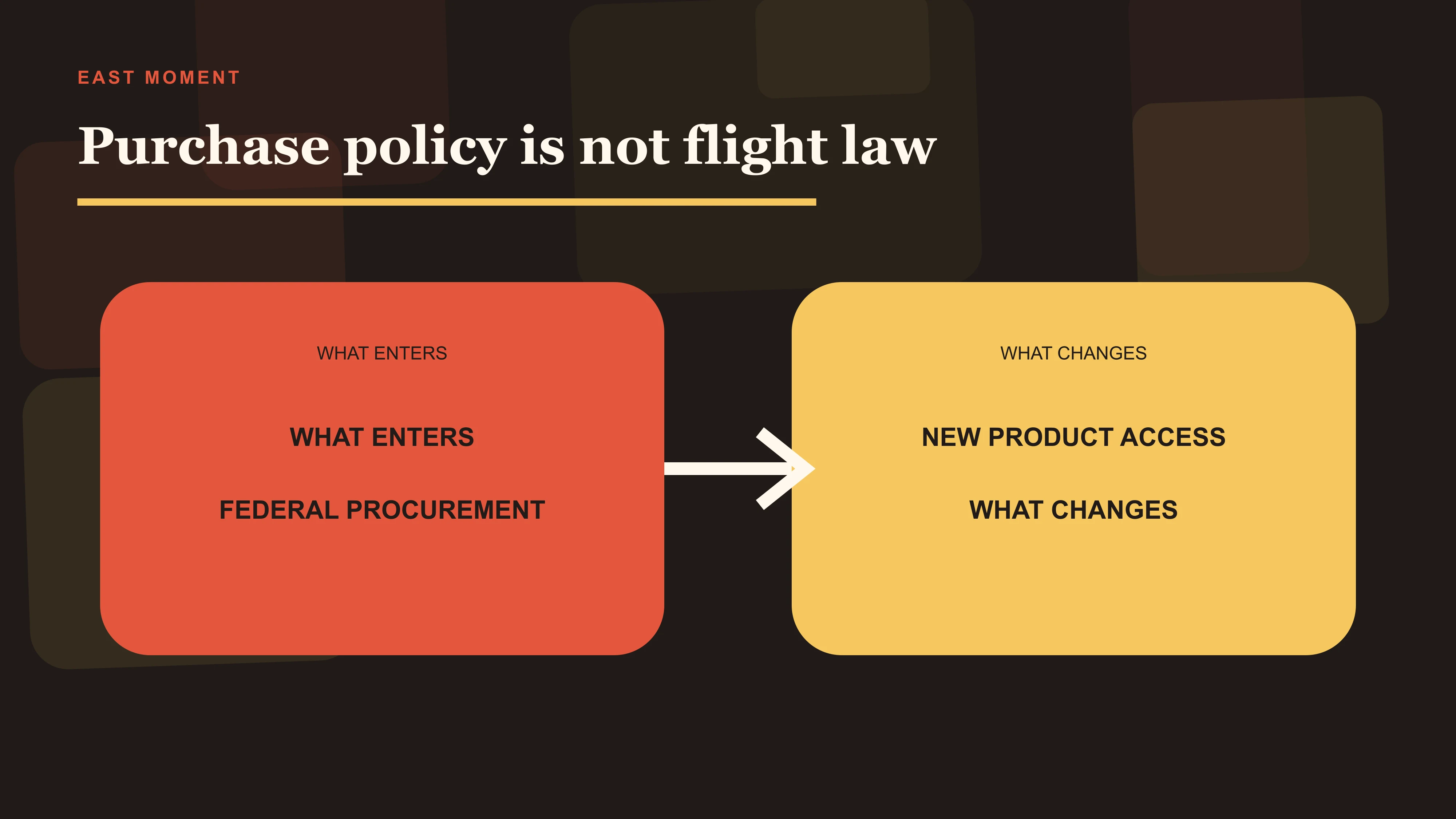
My rule is simple: identify the decision and date before using the word “banned.” Check current FAA drone guidance for operation, registration and airspace; check the relevant federal agency or statute for procurement and equipment restrictions. Retail availability is another layer again.
This page is a dated explainer, not legal advice. Regulations and agency actions can change quickly, so the reader should verify the official source on the day of purchase or flight.