Can I buy a BYD car in the US? As of this October 2026 review, I cannot verify an ordinary U.S. retail route for a named BYD passenger-car model from BYD's public U.S. material. Do not read that as an import ban. A private import is a separate, model-year-specific question: verify federal eligibility, state registration, insurance and after-sales support before paying anyone. An overseas sticker price answers none of those questions.
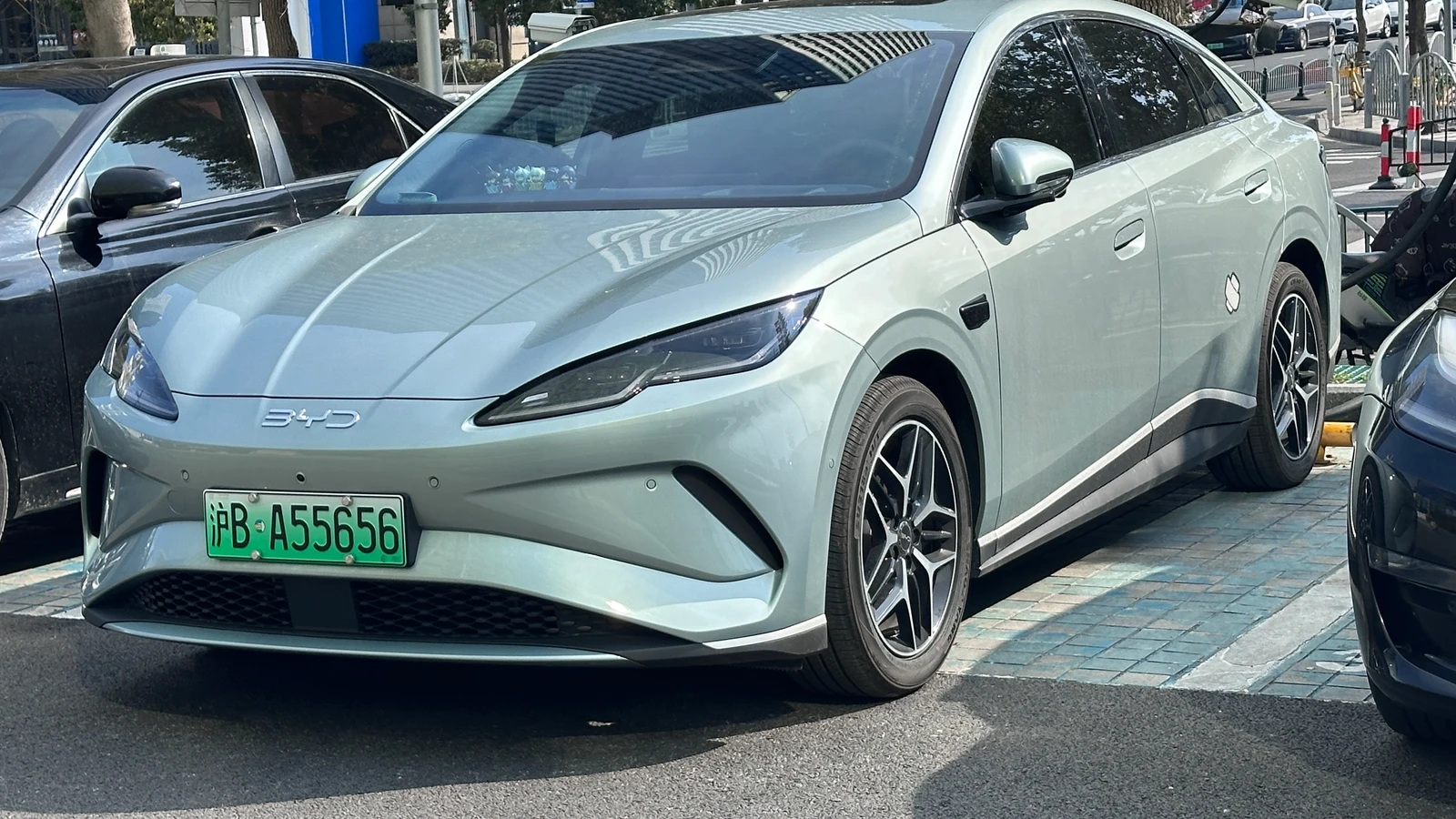
The cover shows a real BYD Seal 06 EV photographed in Shanghai in February 2026. That is deliberate: it proves the car and its Chinese-market road context are real, while the Shanghai plate is also the warning. The photograph does not prove that this model is certified, sold, registrable, insurable or serviceable in the United States.
Can I buy a BYD car in the US as an ordinary buyer?
As of this guide's public-source review on October 17, 2026, I would not treat BYD's English-language U.S. web presence as proof that a particular passenger car is available through an ordinary U.S. retail purchase, with normal local registration, warranty and service. This is a test for a proposed purchase, not a categorical claim that no BYD passenger car can ever be owned in the U.S. That distinction is the whole page.
The BYD USA site makes the company feel close: it presents the brand in English and displays vehicle material such as the BYD Han. That is useful for understanding what BYD builds. It is not, on its own, an order form, a dealer inventory page or a federal compliance document. A global automaker can be visible in a market without every passenger-car model being offered there through the consumer route a buyer expects.
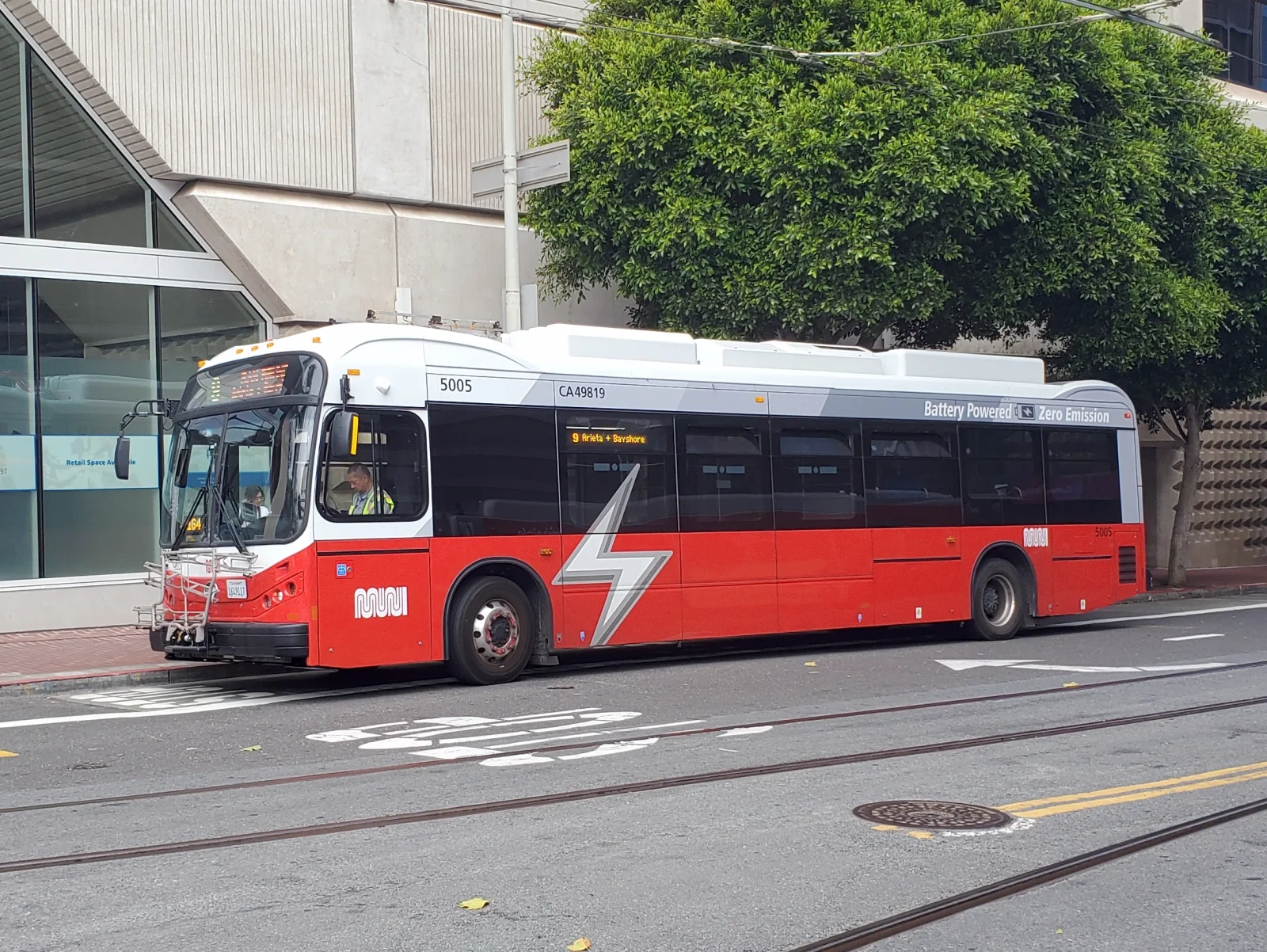
A BYD K9 test bus on a San Francisco Muni route in August 2025 is a better visual answer than a brand logo: BYD vehicles do exist in a U.S. operating context, but this bus says nothing about whether an American household can buy and service a BYD passenger car. Photo: Pi.1415926535 / Wikimedia Commons, CC BY-SA 4.0; resized.
I think this is where the conversation goes wrong. People often put two claims together—“BYD is huge” and “I can see BYD USA online”—then leap to a third claim: “so I can buy the car I saw abroad.” The leap is emotionally understandable. It is also exactly where expensive mistakes begin. A vehicle is not an app that becomes available because a website loads. It has to be legal to bring in, practical to insure and repair, and stable enough in its hardware and software support that your household can live with it after the first exciting month.
The honest quick answer is therefore: do not send a deposit, arrange shipping or treat an overseas quotation as a U.S. purchase plan until you have written, model-year-specific answers to the federal and local questions below. This is a buyer's guide, not a prediction that BYD will or will not expand a retail offer in the future.
The difference between a BYD brand presence and a purchase route
There are three separate realities, and mixing them up produces almost every bad answer to this query.
- A BYD global or U.S. web page establishes the company's public presence and product information. It does not establish that a named passenger car is in U.S. dealer stock or approved for your state.
- A foreign-market price tells you what a manufacturer or retailer asks there. It does not tell you the landed U.S. cost after duties, compliance work, insurance, taxes, registration, service and warranty questions.
- An importer willing to ship a car tells you transport may be possible. It does not establish that this exact car can be permanently imported, conformed, registered and supported after delivery.
This is why I would resist both extremes. It is lazy to say “BYD is not in America” as though a company either exists or does not. It is equally lazy to say “BYD is in America” as though a web page resolves federal safety and emissions requirements. The useful question is smaller and tougher: which exact model and model year, through which exact importer, under which exact compliance route, for which state?
That focus also makes the Chinese technology story more interesting. BYD's scale, battery work and global model range are reasons that people abroad pay attention. The company's U.S. material describes its battery, vehicle and energy technologies for a global audience. But interest in the engineering and a workable ownership path are different achievements. One can be true without the other.
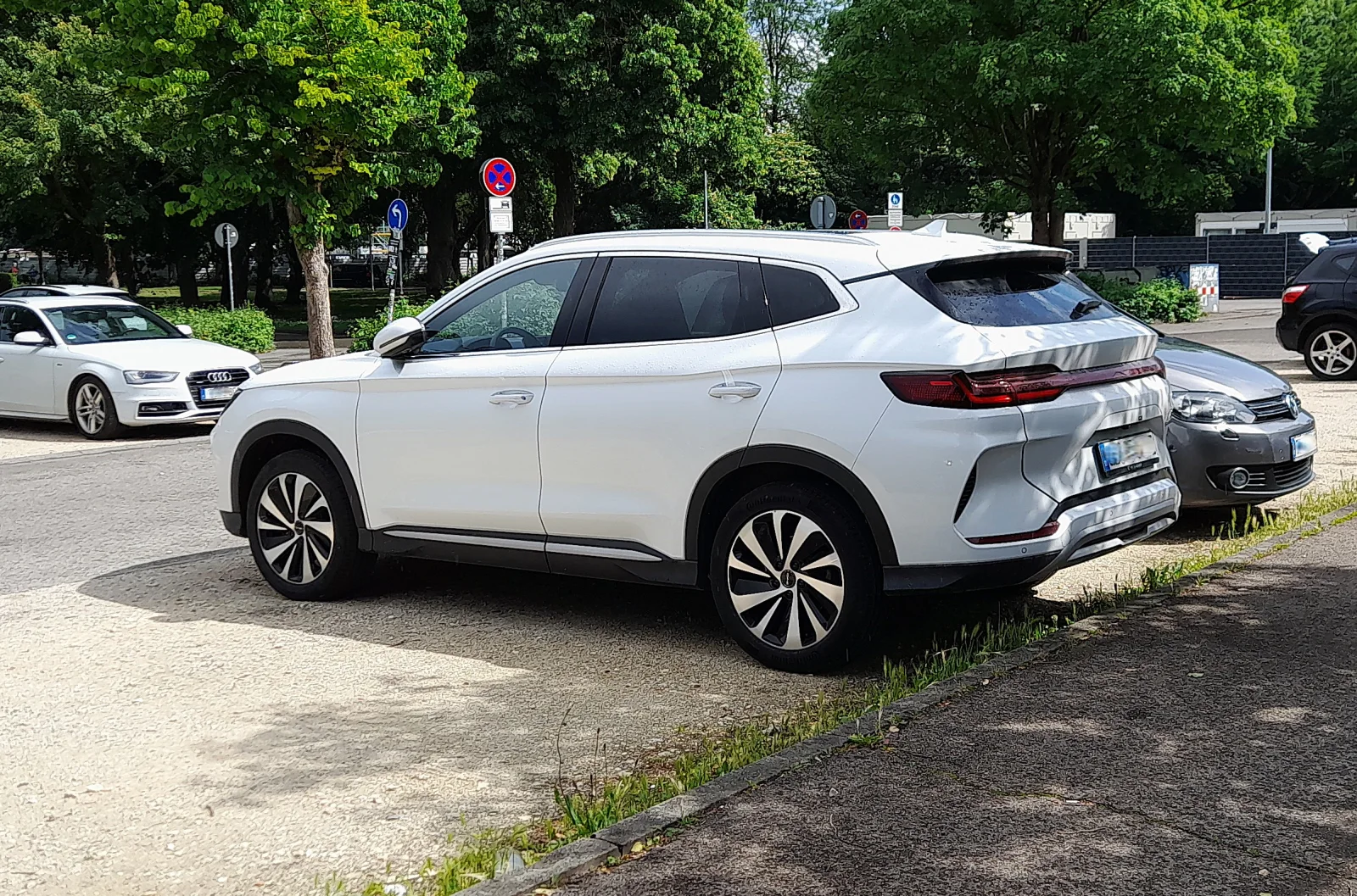
This Seal U EV was photographed on a German street in June 2025. The ordinary street setting makes the overseas appeal tangible, but its presence in Germany does not establish a U.S. retail, import or warranty route. Photo: Trop86 / Wikimedia Commons, CC0; resized.
A BYD car cannot skip the federal safety question
For a modern passenger vehicle, the National Highway Traffic Safety Administration is the first place to slow down. NHTSA says a vehicle under 25 years old that was not originally manufactured and certified to meet applicable Federal Motor Vehicle Safety Standards cannot be permanently imported unless the agency has determined that it is eligible. Those determinations are made by make, model and model year—not by brand fame, a dealership promise or a social-media video.
NHTSA's own importation FAQ explains the next part that buyers often miss: a nonconforming vehicle may require a registered importer, and the question is whether it can be brought into conformance. In the nonconforming route, NHTSA describes an eligibility decision, a registered-importer role and a bond tied to the declared vehicle value. That is not paperwork to treat as an afterthought after a vehicle is already on a ship.
I would not use the phrase “gray import” as a romantic shortcut. The unglamorous facts are better: a nameplate is not an approval; a model is not a model year; and a safety feature visible in a foreign brochure is not the same thing as a vehicle certified for the U.S. standard that applies to it. Anyone selling an import plan should be ready to put the model year, eligibility basis, importer status and expected compliance work in writing. If they cannot, the correct response is not optimism. It is pause.
Electric does not make the EPA question disappear
An EV does not have a tailpipe in the usual sense, but it is still not exempt from the need for an actual U.S. compliance path. The Environmental Protection Agency says that imported vehicles and engines are subject to EPA requirements, and its guidance warns prospective importers to arrange a compliance route or obtain a valid exemption before shipment. For light-duty vehicles offered into U.S. commerce, EPA describes a Certificate of Conformity that is valid for a particular model year.
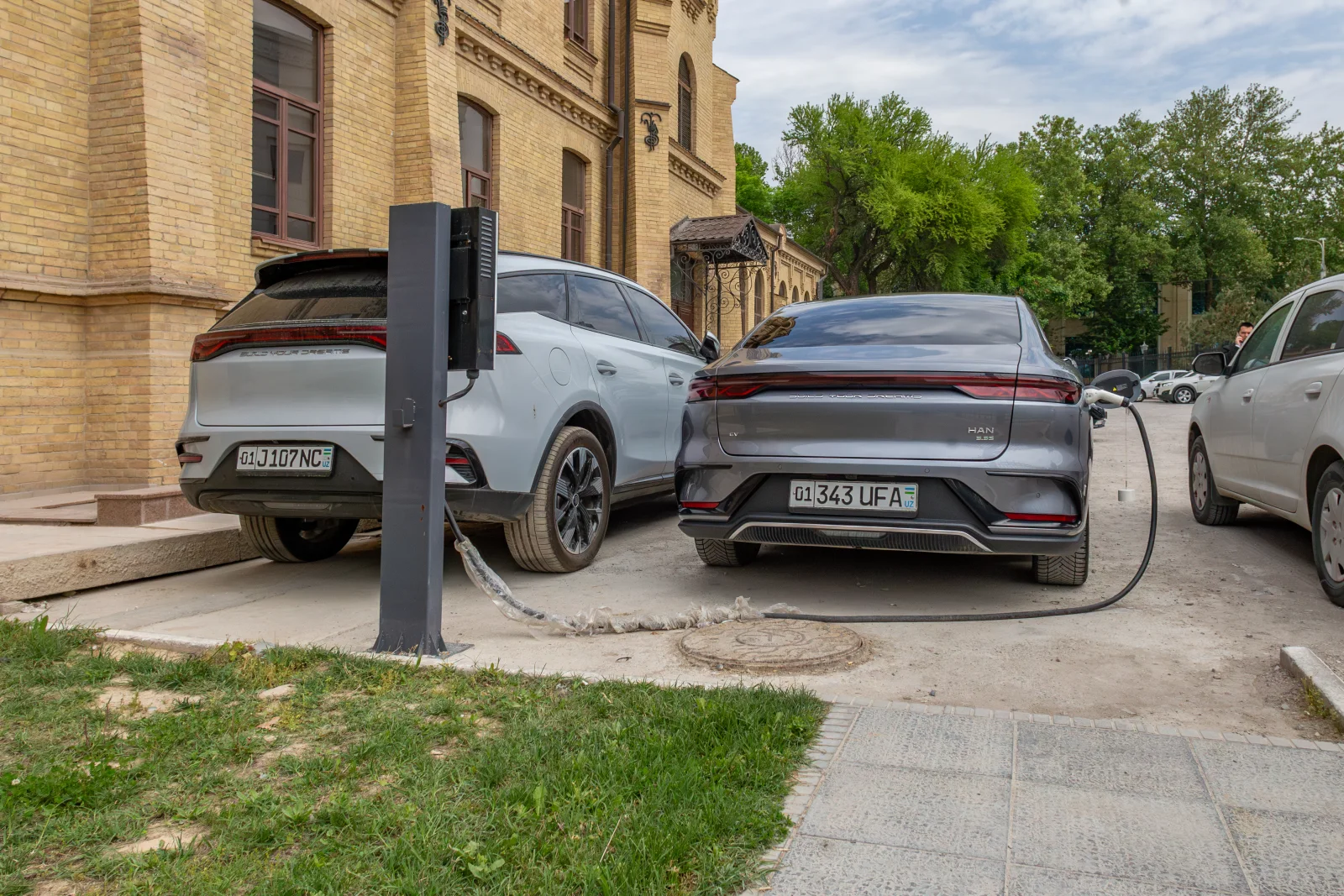
A BYD Han EV plugged into a charger in Tashkent in April 2025 shows the missing half of a glamorous launch: a real vehicle has to meet a real local charging system. It does not establish connector compatibility, charging access, certification or service for a privately imported BYD in the United States. Photo: Nikolai Bulykin / Wikimedia Commons, CC BY-SA 4.0; resized.
The EPA's import overview is worth reading before you contact a shipping company because it frames the decision correctly: an import plan is not only a transport question. It is a certification and documentation question as well. The EPA's certificate guidance also makes clear that certificates are tied to a model year.
That is why “but it is electric” is not an answer, and neither is “but BYD sells EVs globally.” Both may be true while your exact vehicle still lacks the paperwork and commercial support needed for ordinary U.S. ownership. I would ask for the model-year-specific evidence before discussing color, trim or shipping schedule.
What a serious buyer should verify before spending money
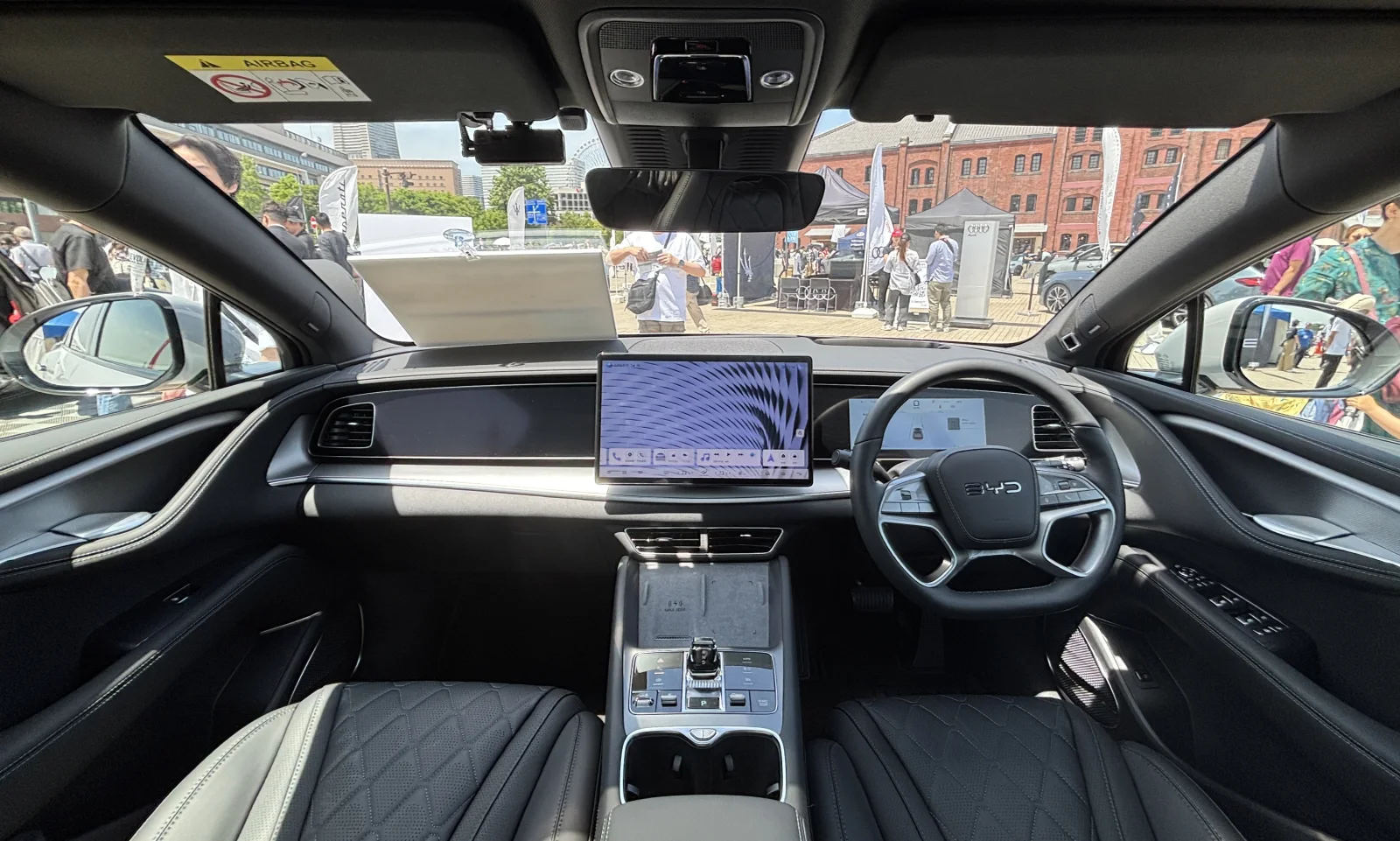
Inside a Sealion 7 photographed in Japan in May 2025, the screens, controls and cabin are tangible. What the image cannot show is who would update its software, source parts or repair it for a U.S. owner. Photo: Kazyakuruma / Wikimedia Commons, CC0; resized.
The appealing cabin makes the ownership question more pressing, not less. A foreign-market showroom experience does not become a U.S. software or service contract merely because the vehicle badge matches.
This order is deliberate. It prevents a buyer from becoming emotionally attached to the easy parts first.
- Exact vehicle identity. Record the model, model year, VIN if available, powertrain and the foreign market for which it was built. “A BYD Seal” is not sufficiently precise for a regulatory conversation.
- U.S. retail route. Ask BYD or a named local seller whether that exact model is sold through an ordinary U.S. consumer channel. Do not infer this from a global website.
- NHTSA route. Ask whether the car bears a U.S. compliance certification label or whether a registered importer has confirmed an eligibility and conformance route for that make, model and year. Get the answer in writing.
- EPA route. Confirm the relevant emissions/compliance paperwork and any independent-commercial-importer arrangement before a shipment is booked.
- State registration and insurance. Federal entry is not the final line. Your state motor-vehicle authority and insurer have to accept the actual vehicle and its documentation.
- Life after delivery. Identify who will supply parts, diagnose faults, update software, handle a recall, repair collision damage and honor—or not honor—warranty coverage. A car that can arrive is not necessarily a car that can be owned calmly.
Imagine a seller offering a foreign-market BYD Seal at a converted dollar price. The first useful reply is not "what is the shipping fee?" It is "which model year and VIN, where is the U.S. certification label or NHTSA eligibility number, and who is the registered importer if the car is nonconforming?" Then ask which EPA paperwork the importer proposes, whether your state's motor-vehicle office will title that precise vehicle, and which insurer has agreed to cover it. This is a hypothetical decision test, not a claim that the Seal has or lacks a particular eligibility number. If the seller can answer only with a global brochure and a freight quote, you have learned something valuable before paying a deposit.
That last line matters most to me. People researching an overseas EV are rarely only chasing a badge. They are usually trying to buy into a different idea of technology: a battery architecture, a price point, a cabin, a sense that China is moving faster than the cars on their own street. That curiosity is valuable. But it should end in a more demanding question: who answers the phone when a sensor fails, an app changes region or a body panel needs replacing? A purchase plan that has no answer has not reached the hard part yet.
Why the foreign price is not your American price
Converting yuan, pounds or euros into dollars is tempting because it gives the research a clean ending. I would treat it as the beginning of a spreadsheet, not the conclusion. An overseas listed price does not settle shipping, insurance, duties, compliance work, port handling, tax, registration, finance, parts inventory or the cost of a long repair delay. It does not tell you whether the vehicle can be insured at all. It does not turn a foreign warranty into a U.S. warranty.
There is also a human cost that spreadsheet comparisons skip. A family does not experience an EV as a quarterly price chart. It experiences it on the evening when a warning light appears before a trip, when an unfamiliar charging connector is the only option, or when a repair shop says it cannot obtain the part. For that reason I would rather buy a less exciting car with a clear ownership path than a technically fascinating one whose daily support has been left to hope.
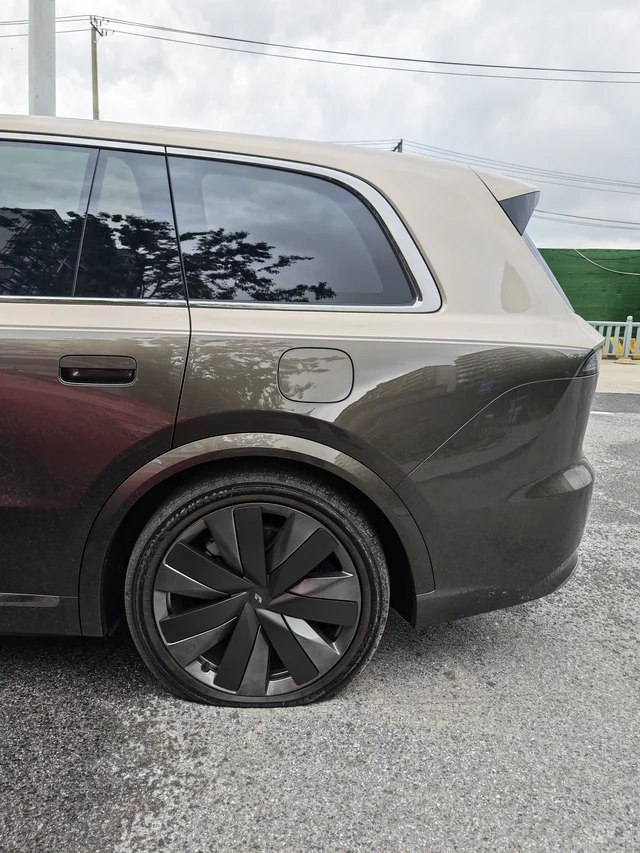
That is not an argument against Chinese EVs. It is the opposite: it takes the engineering seriously enough to demand that the ownership system around it be equally real. The same principle makes the Li Auto L9 guide useful: product logic and overseas availability are separate questions, and neither should be allowed to impersonate the other.
When the answer could become yes
The answer can change, and the page should be read as dated rather than eternal. A normal “yes” would need more than a BYD page or a viral launch image. I would look for a model-specific U.S. consumer sale route, current federal certification evidence, a clear dealer or delivery system, written warranty terms, parts and service support, and a practical answer for software and charging. Once those pieces exist for a named model and state, the question becomes a conventional car-shopping comparison.
Until then, do not confuse interest with access. Follow BYD's official U.S. pages for the company's own announcements, but make your buying decision from documents and people accountable for the exact vehicle—not from rumor, screenshots or a foreign-market configurator.
The East Moment verdict: a car is available only when you can live with it
My answer is not a dramatic ban and it is not a promise that the right intermediary can solve everything. It is simpler: a BYD passenger car is not meaningfully “available” to an American buyer until the legal entry route and the ordinary life route meet in the same vehicle.
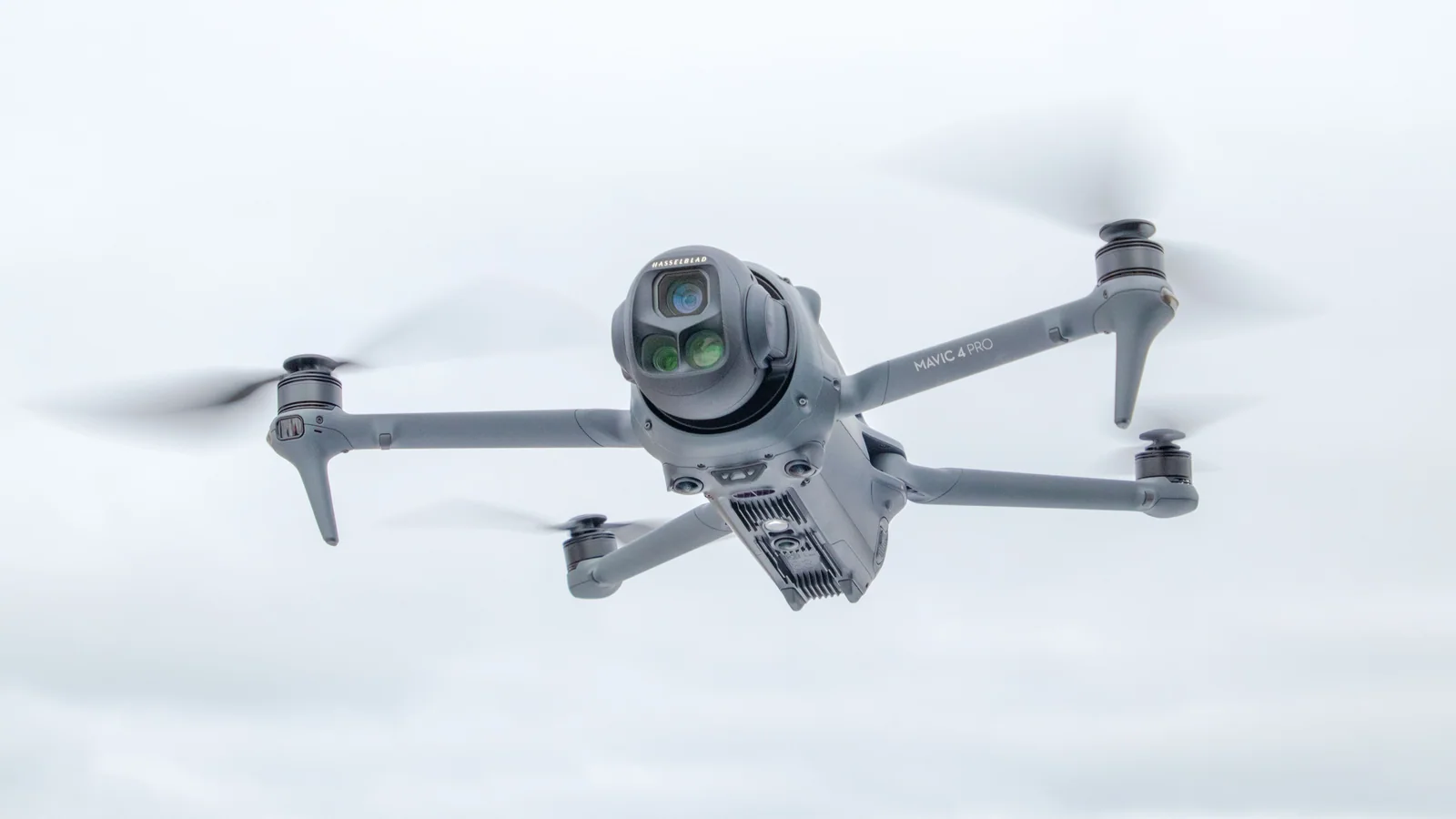
That is a higher bar than seeing a global model page, but it is also a kinder one. It protects the reader from mistaking fascination with China’s EV speed for an ownership plan. A similar headline trap appears in the dated guide to whether DJI drones are banned in the United States: brand, product access and operating rules must be separated before the word “available” or “banned” becomes useful. If you have a model and a U.S. state in mind, email Lijun the missing ownership question. Do not send a VIN, registration, insurance document or private quote. The useful conversation begins where the marketing image ends.
For the wider context, explore the China technology hub and compare how a China-market EV can make sense domestically in the Li Auto L9 guide. The badge tells you what caught your eye; the route tells you whether it belongs in your driveway.