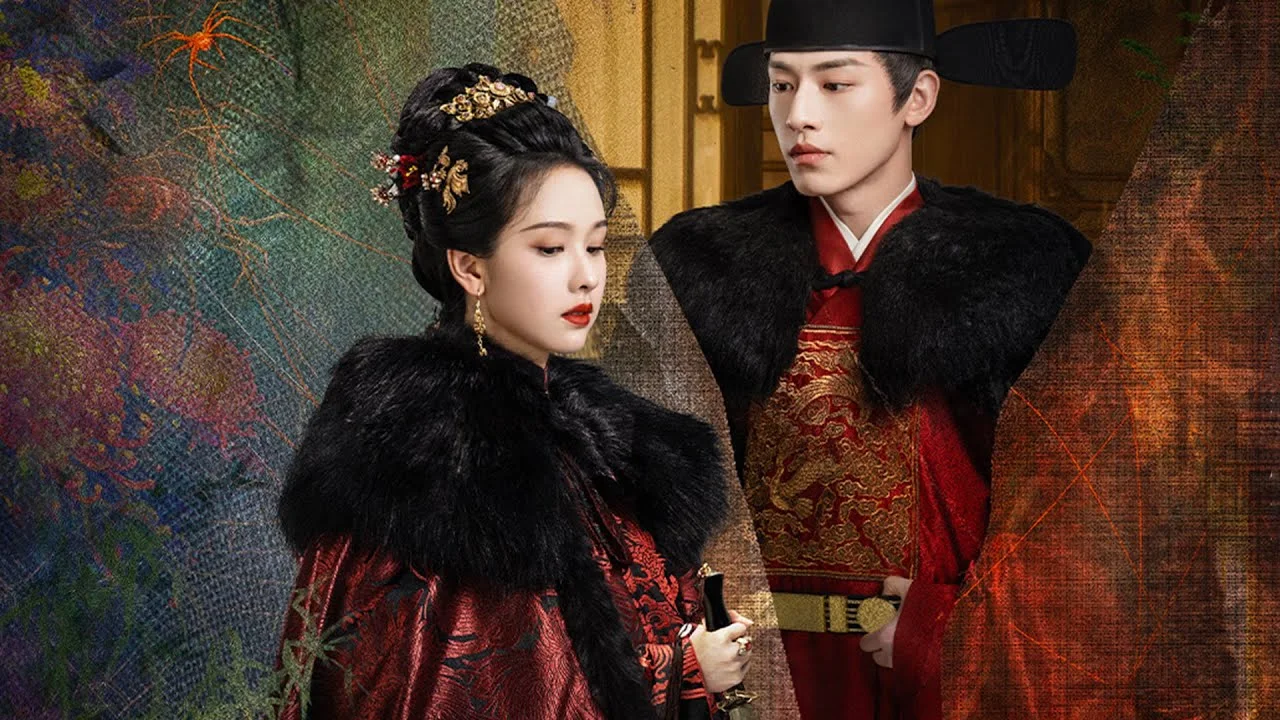
I first mistook Zhou Yi Ran's quietness for passivity. I thought the camera was doing the work: a handsome, withdrawn boy, soft light, an audience ready to supply the feeling. I changed my mind when I stopped watching the expression and watched what happened after somebody reached him.
Zhou Yiran is the male actor Zhou Yi Ran (周翊然)
First, the identity must be exact. This page is about Zhou Yi Ran (周翊然), the male Chinese actor, also commonly searched as Zhou Yiran. It is not about actress Zhou Yiran (周依然). The English spelling collision is not a small metadata issue: it can send readers, images and even entire arguments to the wrong person.
For a first drama, choose When I Fly Towards You (当我飞奔向你). For a sharper second look, use Viu's official material for Reborn (焕羽). The two roles make a more useful pair than a résumé list because they ask different things of the same quiet surface.
| Question | Short answer |
|---|---|
| Who is he? | A Chinese actor born in 2000, credited in English as Zhou Yiran or Zhou Yi Ran |
| Best first drama | When I Fly Towards You for quiet response inside a warm ensemble |
| Best pressure test | Reborn for practical care inside rumor, grief and family silence |
| Useful middle route | You Are Desire for another school romance with a less protected emotional field |
| Main strength | Letting a decision appear in timing before dialogue announces it |
| Main danger | A handsome lowered gaze can be praised as subtle even when nothing changes |
| East Moment verdict | Judge the next action, not the still frame |
My first reading: the camera loved Zhang Lurang too easily
Zhang Lurang enters When I Fly Towards You already carrying the visual language of a comfort drama: distance, sensitivity, an attentive girl and a school world that gives small feelings time to develop. It is easy to praise the result before asking whether the actor has made a decision.
YOUKU's official Episode 1 identifies the leads and school setting; the complete When I Fly Towards You guide owns that work's visual system. Neither source proves that every lowered gaze contains depth. My skepticism was simple: if Su Zaizai brings all the energy, attention and emotional language, is Zhang Lurang a person or merely a surface on which her affection can land?
The answer appears slowly. He does not become interesting because she sees him. He becomes interesting when he begins to answer being seen.
The criticism deserves equal weight. In discussion around Reborn, some viewers read the naturalism as closeness to an ordinary young man; others saw a collapsed posture and emotional blankness. I understand both reactions. “Natural” cannot mean that every hesitant shoulder and quiet reply is automatically true. A performance earns restraint only when the body is specific about what it is protecting.
The moment I revised the judgment
The change is rarely a speech. Zhang Lurang expects attention to become evaluation; family comparison has trained him to protect himself before a room can judge him. Su Zaizai's attention often refuses that pattern. She notices without immediately ranking.
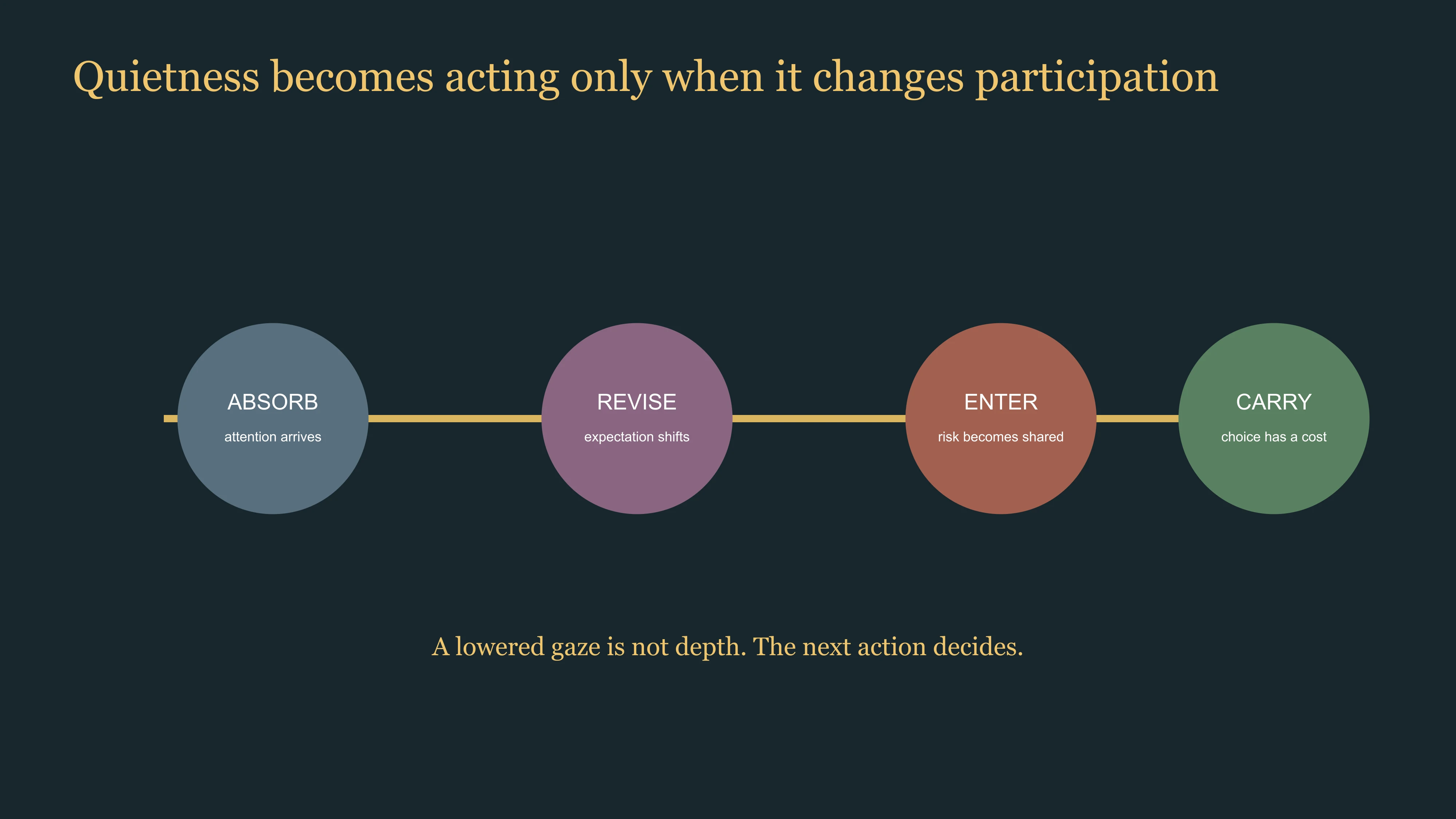
At first, Zhou Yi Ran lets the character absorb this almost suspiciously. Then the timing changes. He remains a little longer. He returns a gesture. He chooses the group when disappearance would be safer. The face is still quiet, but the behavior is no longer passive.
That distinction matters to me because "healing" romances often place an unfair burden on the brighter partner. A girl loves correctly; a damaged boy becomes available. When I Fly Towards You is better when Zhang Lurang participates in his own recovery. Zhou Yi Ran has to show not only that affection reaches him, but that he risks becoming reachable.
The group makes it harder to fake depth
Romantic close-ups are generous. Ensemble scenes are not. In the five-friend group, Zhou Yi Ran cannot rely on longing to explain every pause. He has to remain present while someone else owns the joke, conflict or attention.
This is where I decide whether a quiet performance is alive. Does he track another person's embarrassment? Does his body prepare to intervene before his words do? Can he be teased without losing the character's dignity? Does friendship alter his rhythm even when Su Zaizai is not the center of the scene?
When those details work, Zhang Lurang seems to learn the group's language before he trusts his place inside it. That is more human than the idea that one romance simply cures loneliness.
You Are Desire tests whether reserve can initiate
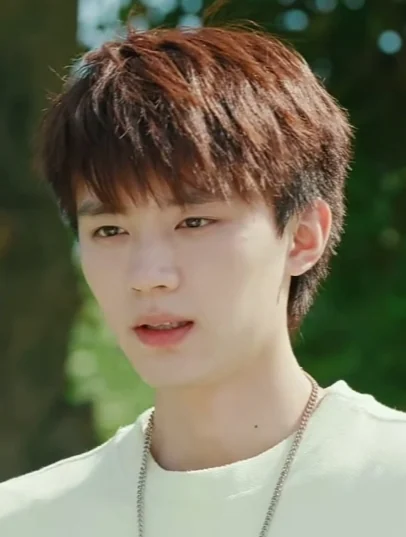
This earlier The Sweetest Secret image is deliberately modest rather than glossy. It fixes a useful point in the career before When I Fly Towards You made quiet youth romance the dominant international association. A face photographed softly is not proof of subtle acting; it is the starting condition that later roles have to complicate.
You Are Desire places another school-age relationship around Zhou Yiran, which makes it easy to dismiss the role as a repeat before watching. That shortcut is unfair but useful as a challenge. Lin Yujing does not enter the story with Su Zaizai's bright, uninterrupted pursuit, and Shen Juan cannot remain merely the beautiful recipient of somebody else's attention.
The role should be judged through initiative. Does he create a plan, protect a boundary or expose a need before romance rewards him? A reserved character can be intensely active: he may choose the route through a room, decide which fact remains private or redirect danger away from another person. If the performance only supplies photogenic reluctance, the new title has changed the uniform and kept Zhang Lurang's marketable surface.
This middle comparison matters because range is not proved by jumping directly from a warm drama to a darker one. The actor also has to differentiate two apparently similar boys. Small genre distance makes repeated habits easier to see.
Reborn removes some of the comfort
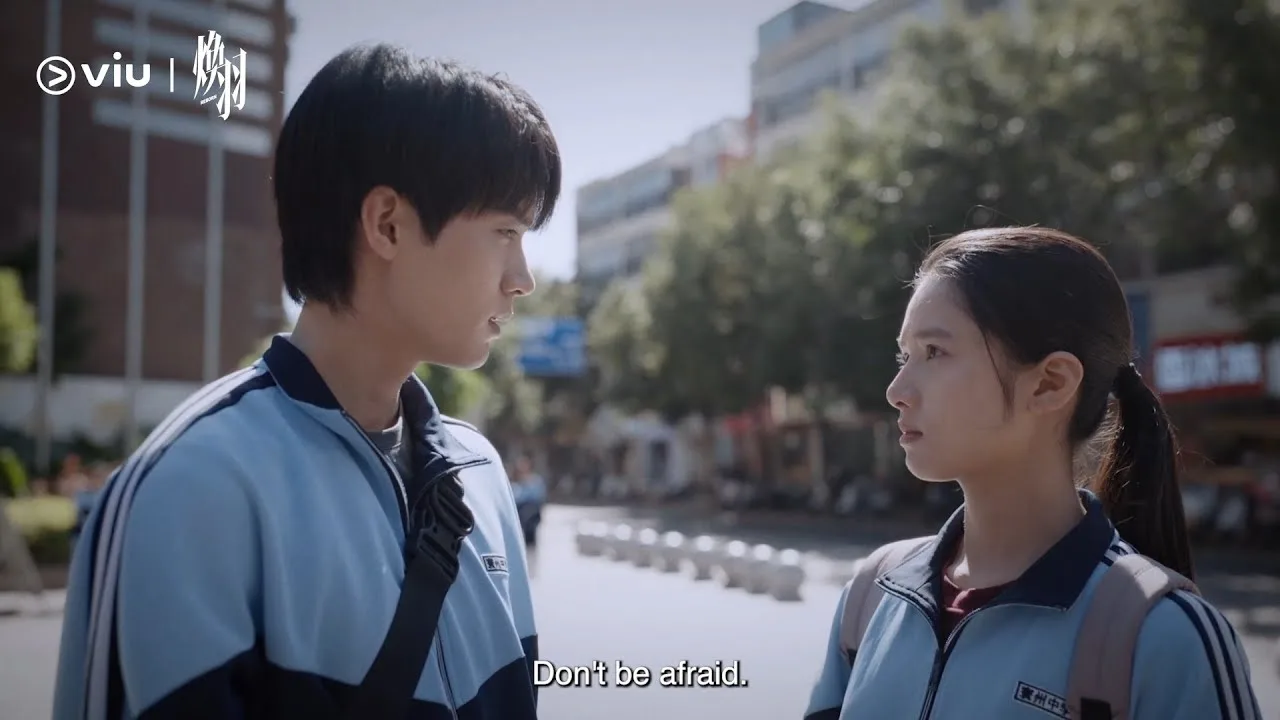
The official Reborn trailer gives the page a necessary current contrast. Zhou Yi Ran appears opposite Zhang Jingyi in a more pressured school and family register. The subtitle in this frame - "Don't be afraid" - is promotional scene evidence, not proof of an entire relationship arc.

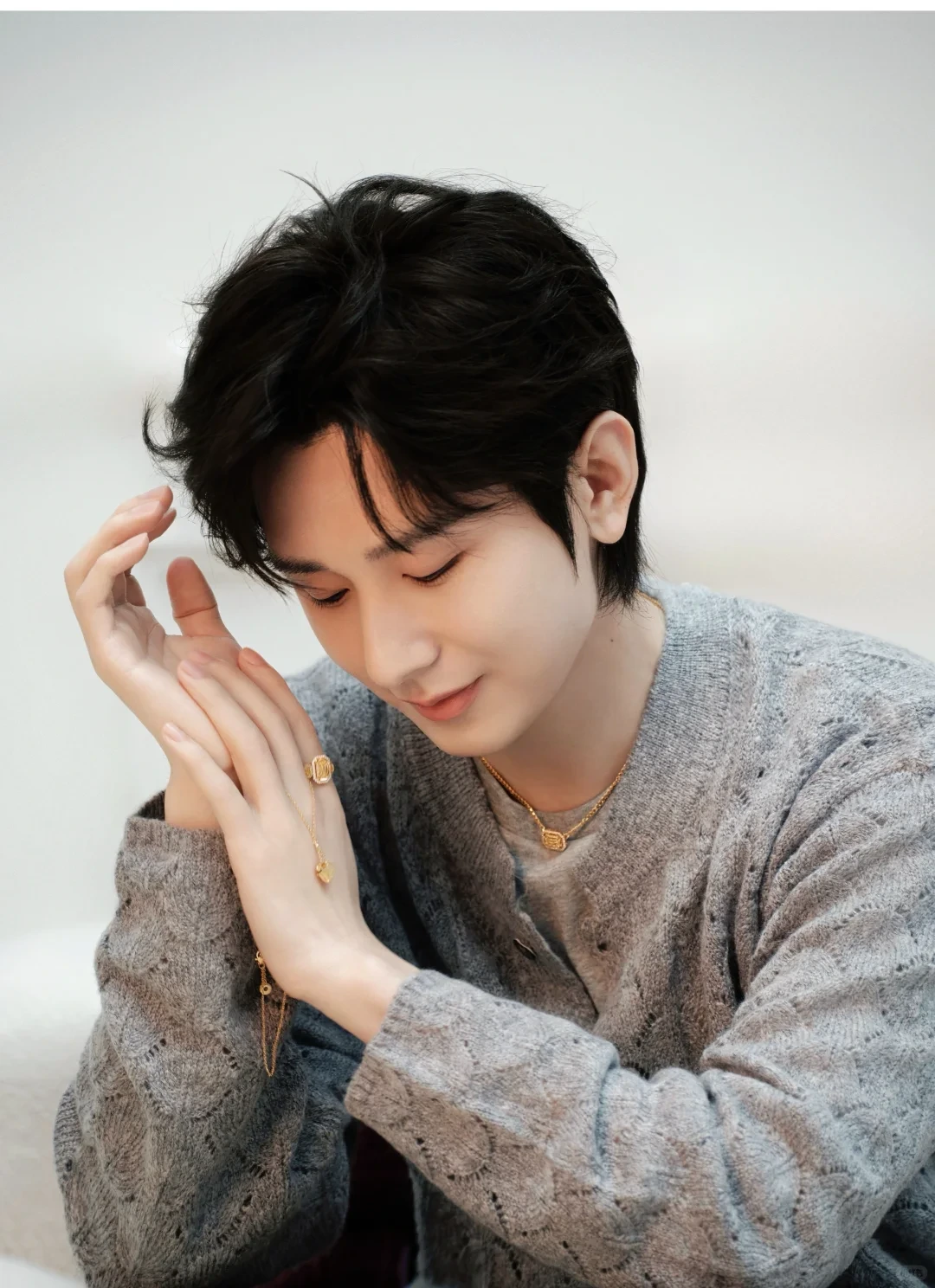
This event photograph is useful precisely because it is not a drama still. Without Ming Sheng's lighting, school uniform or narrative danger, Zhou Yiran looks direct and contemporary. It separates the actor's public presence from the withdrawn characters that search results repeatedly place around him. One portrait cannot prove range, but it stops this profile from pretending that four diagrams and a trailer frame are the person.
What changes is the emotional weather. When I Fly Towards You gives quietness room to be received gently. Reborn asks whether reassurance can remain credible when fear, memory and family damage are less easily contained by a warm friend group.
The official WeTV cast and series page identifies Zhou Yiran as Ming Sheng inside Qiao Qingyu's investigation of her sister's death. That premise changes the moral job of the male lead. He cannot “heal” a social wound by being attractive and patient. Help must become material: opening access, sharing risk, refusing rumor and accepting that the heroine's search is not a romantic service performed for him.
I would watch for whether Zhou Yi Ran can make protection feel practical rather than romantic by default. Does the body move before the comforting line? Does he understand what the other person fears, or merely perform the role of the boy who says not to be afraid? A current work should not be used only to prove that an actor stayed visible. It should challenge the earlier interpretation.
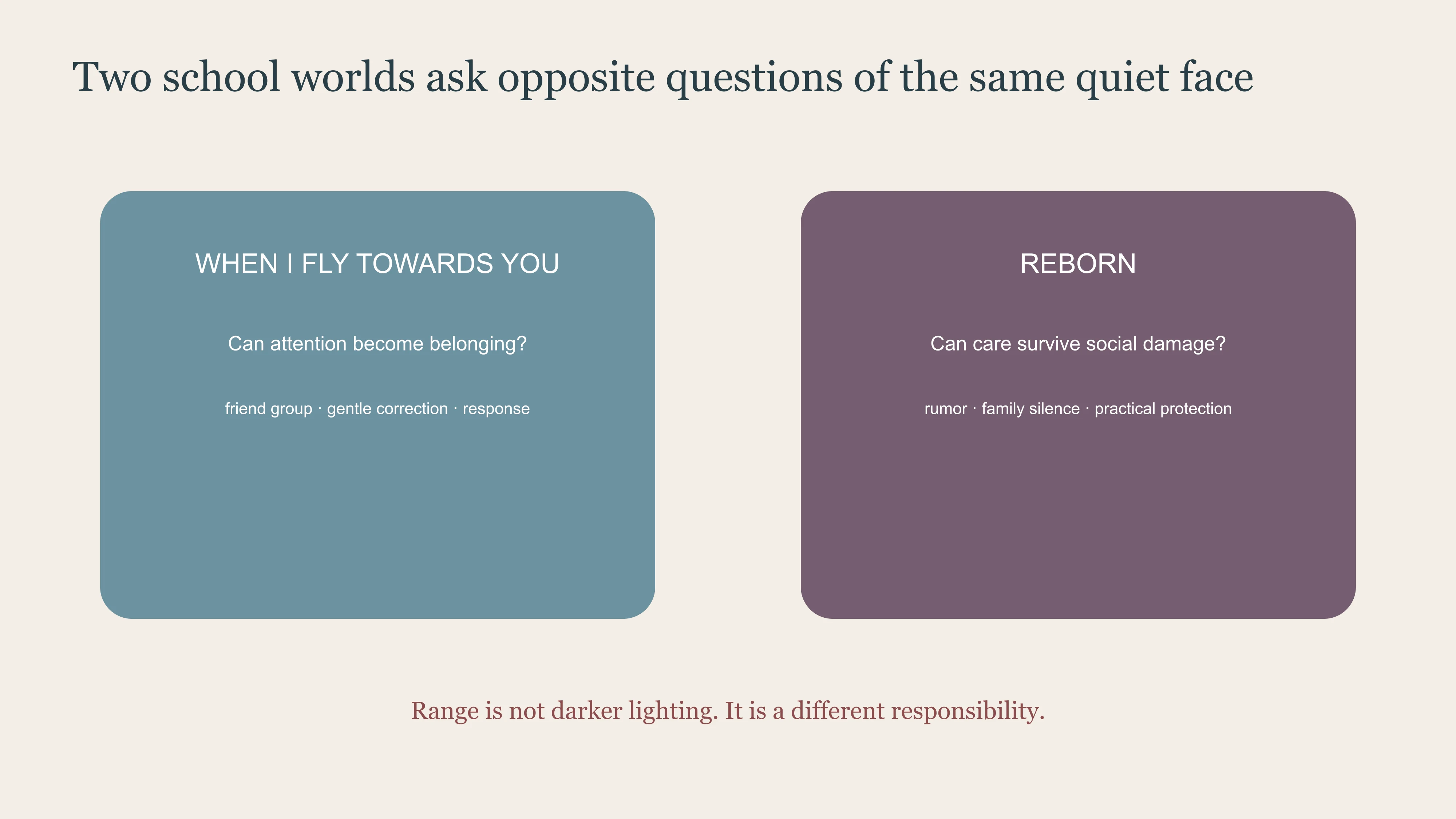
My judgment is firm: Reborn is the more important career test even if When I Fly Towards You remains the easier recommendation. Warmth allowed viewers to lean toward Zhang Lurang. Social damage requires Ming Sheng to lean into another person's danger without claiming ownership of it. That is a larger responsibility, not merely a darker color grade.
The decisive test is not how often he looks worried. It is whether Ming Sheng can change the practical conditions around Qiao Qingyu without becoming the story's moral owner. A hand offered too early can look romantic and still interrupt her agency. A silence held too long can look respectful and still abandon her. Zhou Yiran is strongest when the timing makes that ethical difference visible.
Three Zhou Yiran dramas form a useful viewing route
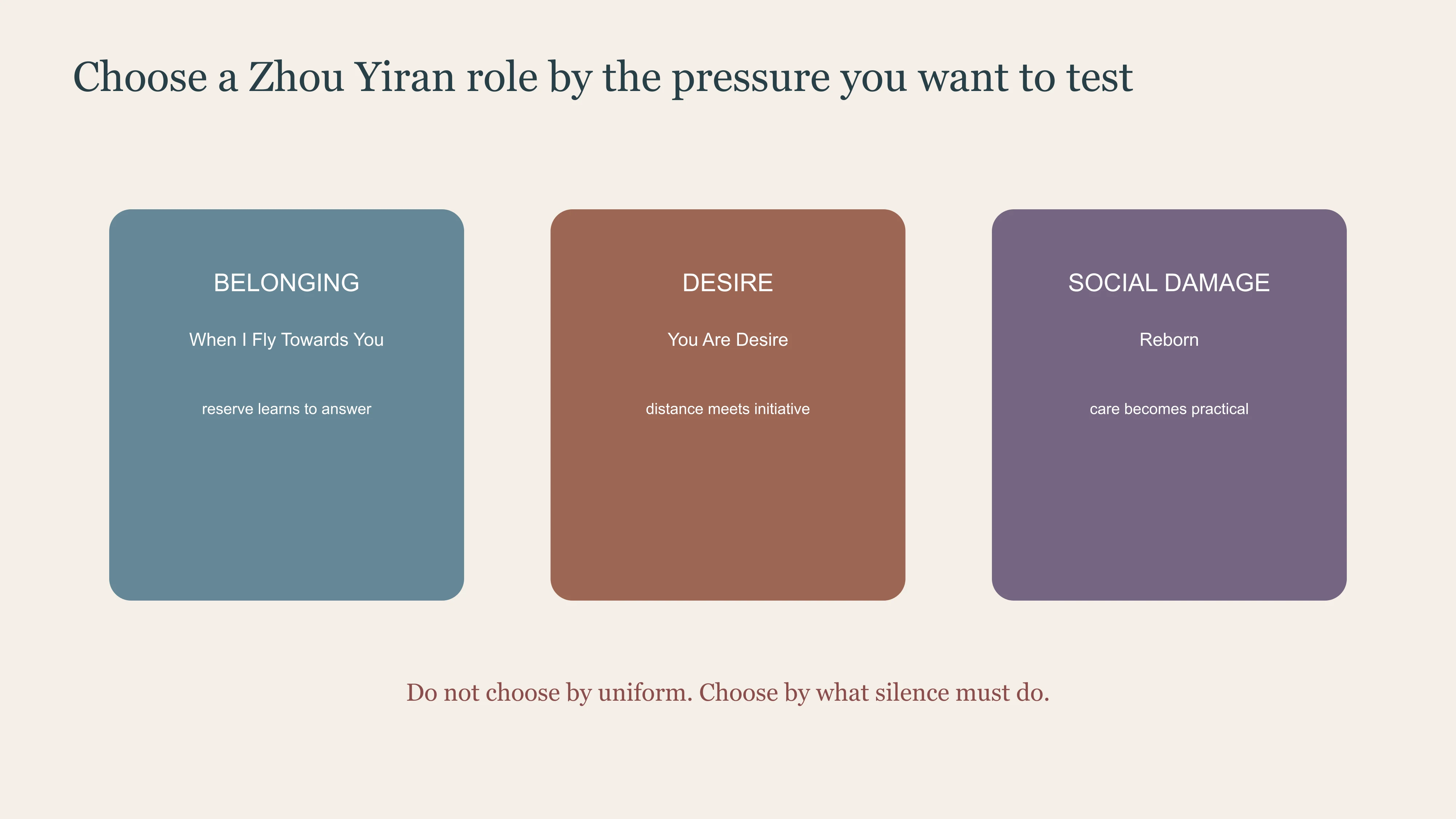
Start with When I Fly Towards You to understand why his reserve attracted attention. Move to You Are Desire to test whether he can distinguish two quiet school-age men without spectacle. Finish with Reborn to see whether the same economy survives a story built from family silence, rumor and investigation.
Do not watch only romantic edits. Choose one scene in which the heroine is absent or occupied by her own problem. Zhou Yiran then has no chemistry shortcut. Look for what his character notices, whom he protects, what information he withholds and whether that decision later costs him. A career becomes visible when the actor can carry social relations beyond the central pairing.
His future should not be measured by how many school uniforms disappear. An adult role can be just as shallow if reserve continues to signal goodness without action. I want an occupation, family position or moral failure that makes silence inconvenient. A colleague should misread it. A friend should resent it. A decision should arrive too late. Only then will the familiar quiet face have to invent another way to participate.
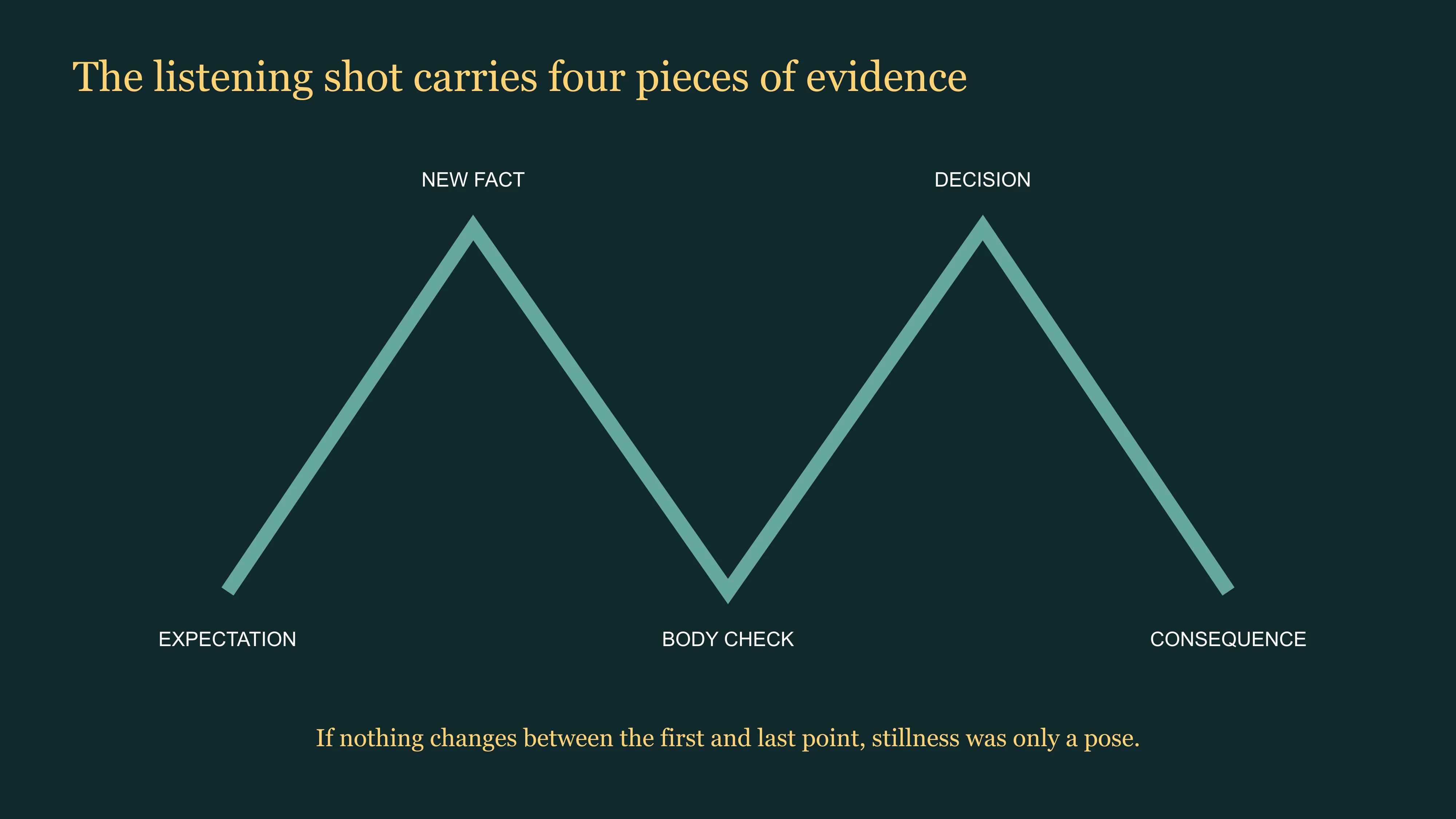
That is also why I reject the lazy phrase “he has no acting trace” as pure praise. Sometimes the lack of visible technique means a person feels present. Sometimes it means the scene has supplied every emotion and the actor has merely remained attractive inside it. Watch the before-and-after behavior. If listening changes distance, posture, risk or speech, the quietness is work. If nothing changes, the audience has written the performance for him.
The name collision is a factual boundary, not a search trick
The Romanized names of Zhou Yi Ran (周翊然) and the actress Zhou Yiran (周依然) collide, so I keep the identification boundary strict.
My judgment here comes from the scene behavior itself: the initial doubt, the restraint that revised it and the remaining uncertainty about whether that restraint travels into a harsher role.
English search results can still merge Zhou Yiran (周翊然) with actress Zhou Yiran (周依然). East Moment will not borrow her photographs, credits or reception merely because Romanization collapses two names. The Chinese characters are decisive. This page covers the male actor 周翊然; a result without the characters, role or official production context is not reliable enough to identify him.
Where I stand now
I no longer think Zhou Yi Ran's quietness is automatically passive. I also do not think every small reaction deserves to be called subtle acting. The difference is participation.
In When I Fly Towards You, watch whether Zhang Lurang answers attention with a choice of his own. In Reborn, watch whether reassurance survives pressure without becoming a pose. The expression matters only when it changes how the character inhabits the next moment.
In the comments, tell me which Zhou Yi Ran scene changed your first impression, or where you still think the camera and audience are doing too much of the work. Log one quiet decision in East Moment Moments: name what he learned, the physical adjustment and the action that followed. Continue with the full When I Fly Towards You guide or the wider Chinese actors collection.