Cantonese Opera becomes a community record when one aria, role, troupe or venue can be followed between stage, language and the people who carry it onward.
The complete stage, rehearsal room or venue with its location and participants recoverable
Frame 2
One consented detail showing the performer, audience, programme or object that carried the route onward
What the note must add
Record city, venue, date, troupe or performer and the Cantonese term or line when known. Separate direct memory from archive research, and do not infer language, identity or community consensus from costume alone.
Submissions remain private until East Moment reviews the rights, specificity and usefulness of the record.
Editorial founding evidence
A visible baseline, with the gaps left open
These are East Moment editorial records built from authorized or rights-cleared imagery. They are not reader submissions and do not count toward the public record total.
Hong Kong and Ipoh stages before the route is recovered
Unmatched venue baseline
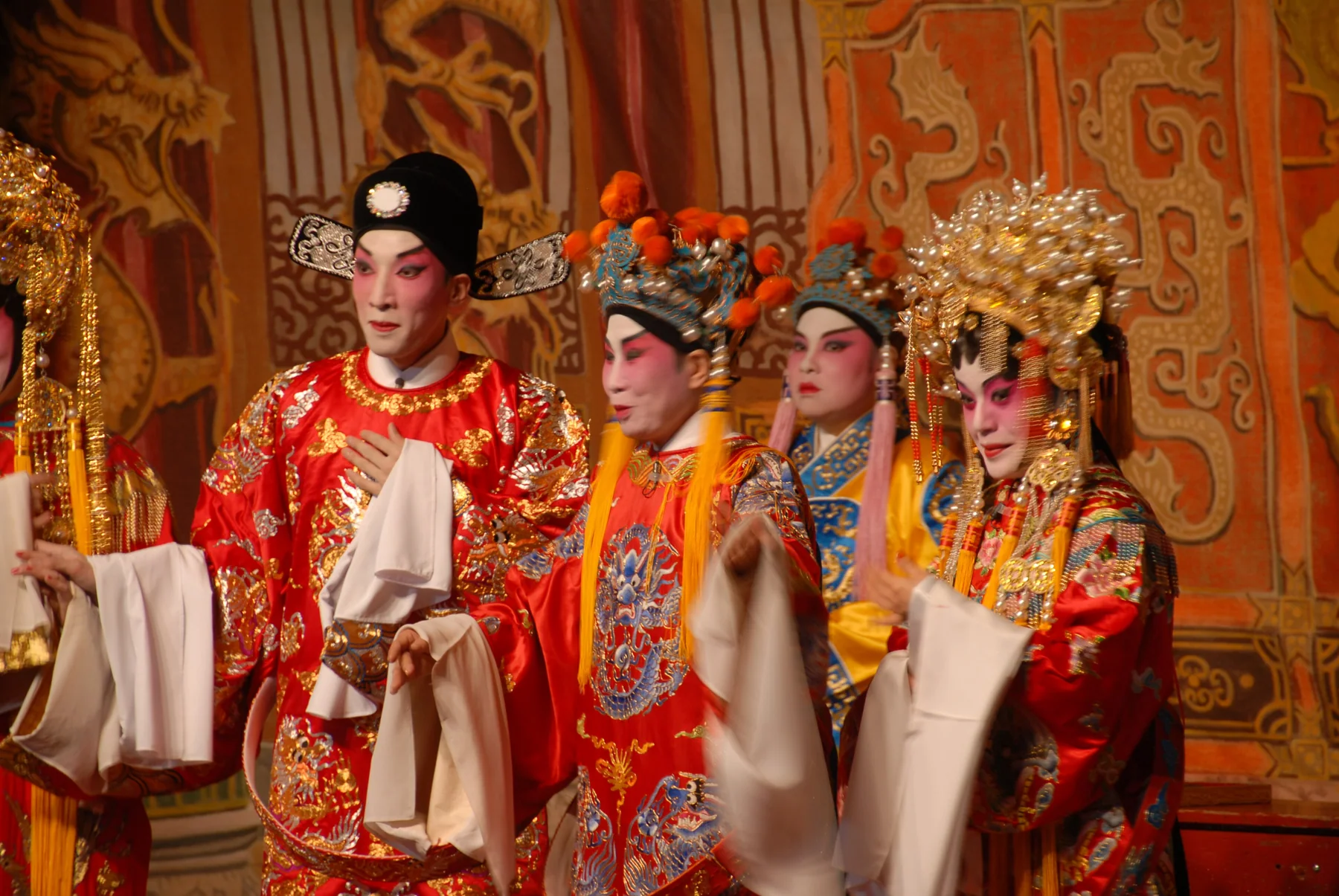
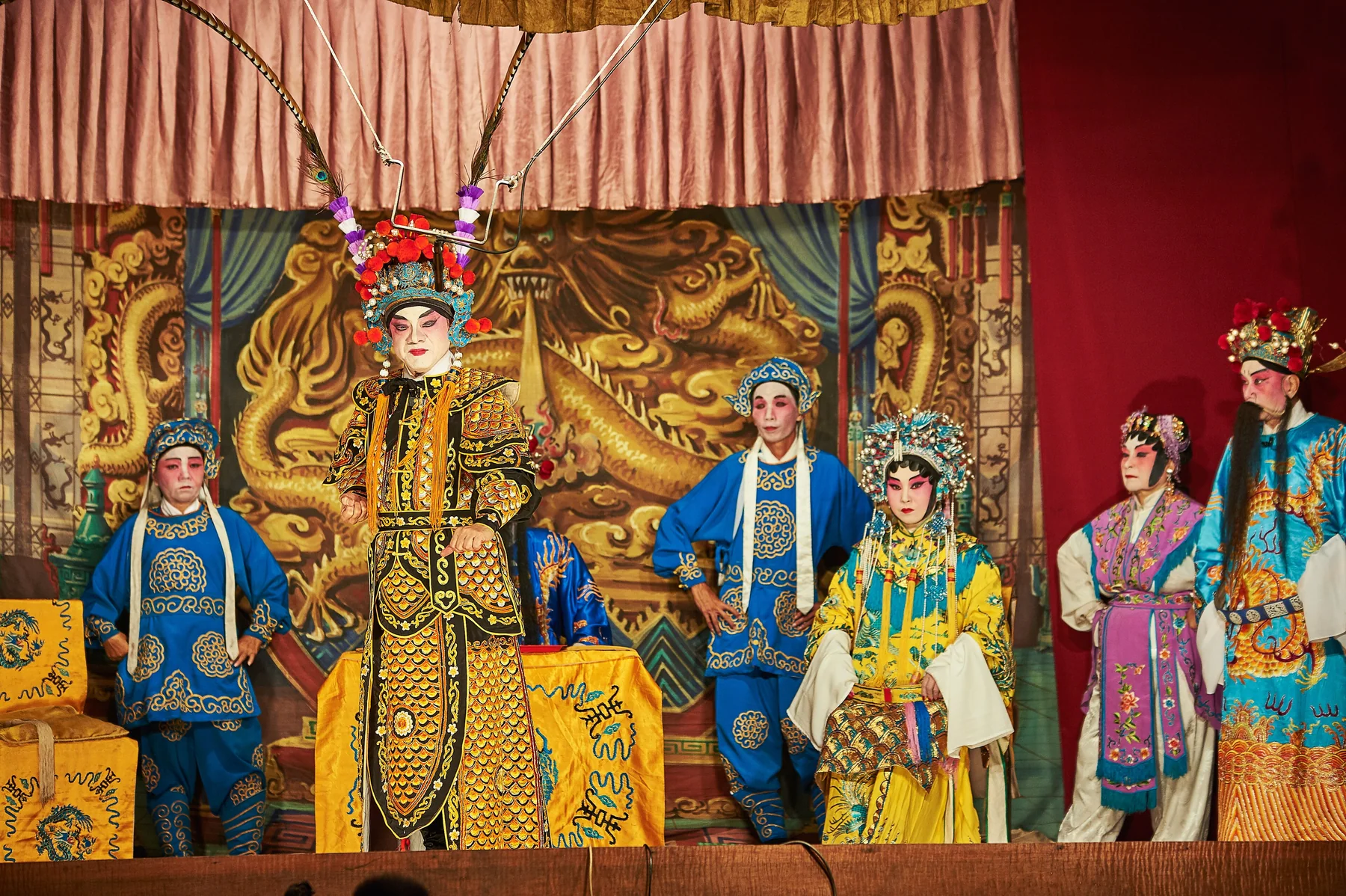
Open-license photographs document a full Cantonese Opera stage in Hong Kong and a community-stage setting in Ipoh, Malaysia, placing the form in two visible performance environments.
Visible: one Hong Kong stage and ensemble arrangement. Missing: the named work, line and later route.
Visible: a second city and performance setting. Missing: a demonstrated connection to the Hong Kong stage.
Still missing: The photographs do not follow one troupe, aria, role, family or audience between cities. They contain no matched programme, Cantonese line, oral history or evidence that a specific practice travelled from one stage to the other.
Approved reader records
The Atlas in public
No complete Cantonese Opera route has cleared review.
The first approved record will connect a named stage or memory to the language and people around it. Two unconnected costume photographs cannot show transmission.