One photograph freezes change into scenery. A dated pair, a remembered route and the person who had to adjust can make social transformation measurable without forcing it into progress or decline.
The place at the earlier verified date, with a stable landmark or route visible
Frame 2
The same place or route at the later date from a comparable position
What the note must add
Give city, date, viewpoint and the relationship of the contributor to the place. Separate visible change from memory, and preserve a second person's disagreement rather than converting it into a factual error.
Submissions remain private until East Moment reviews the rights, specificity and usefulness of the record.
Editorial founding evidence
A visible baseline, with the gaps left open
These are East Moment editorial records built from authorized or rights-cleared imagery. They are not reader submissions and do not count toward the public record total.
Two transformed landscapes without a return photograph
Unmatched place baseline
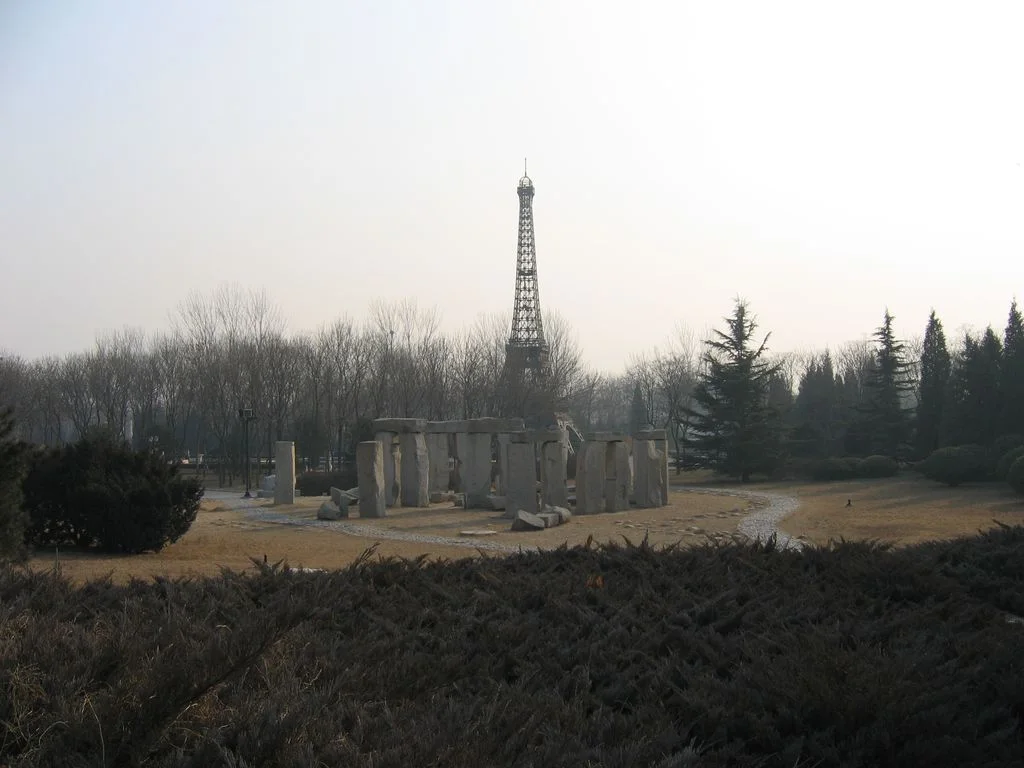
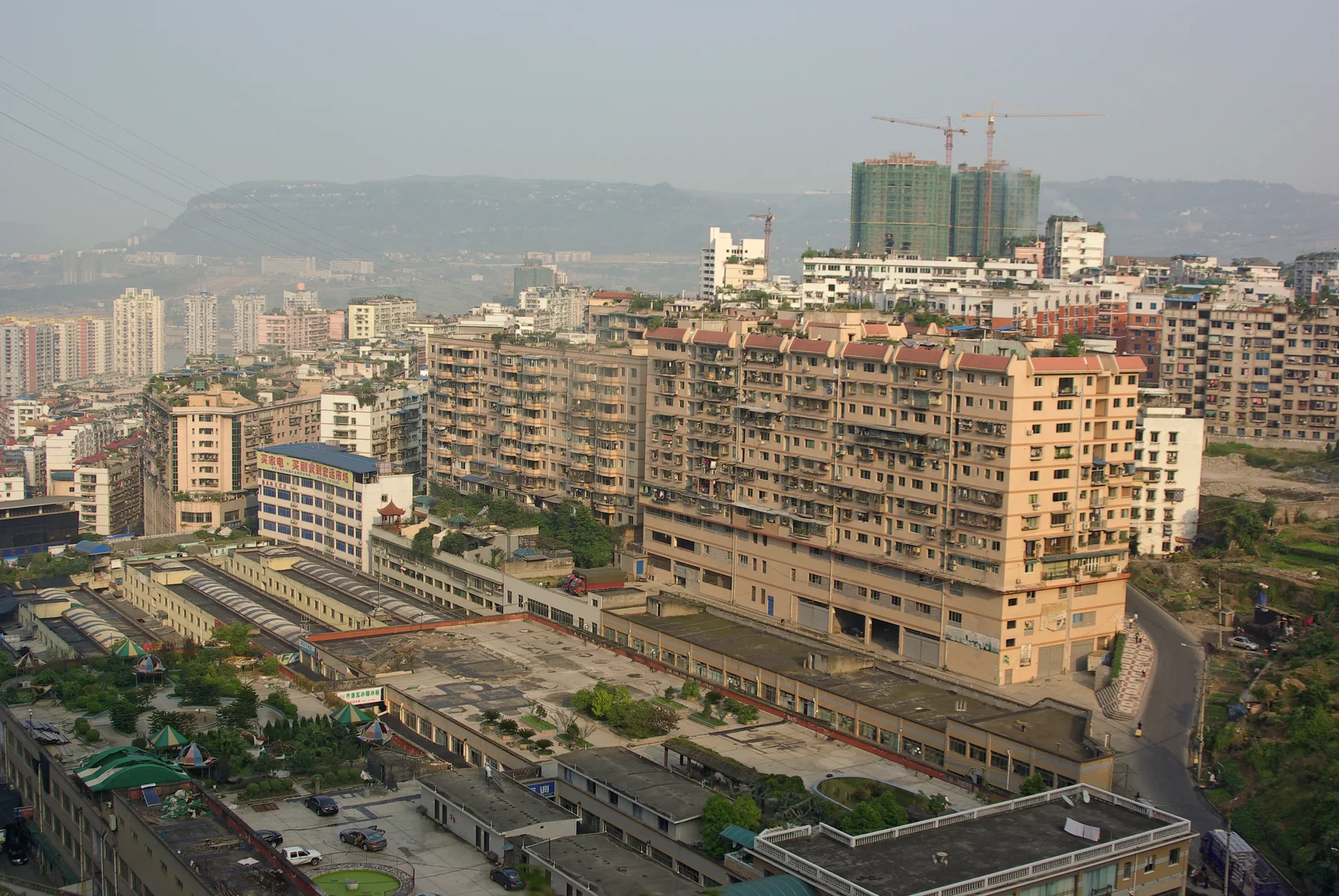
Open-license photographs show Beijing World Park compressing global landmarks and Wanzhou housing climbing above the Yangtze, two real environments that make designed access and uneven urban change visible.
Visible: distant landmarks compressed into one designed environment. Missing: a matched earlier or later view.
Visible: river topography and uneven construction. Missing: a return from the same viewpoint and a resident's account.
Still missing: These are different cities, dates and photographers. Neither image returns to the same viewpoint, records a resident's adjustment or proves a scene, location or claim in a Jia Zhangke film.
Approved reader records
The Atlas in public
No matched place-time pair has cleared review yet.
The first approved record will connect two dates through one stable point and one human adjustment. Two unrelated city photographs or a nostalgia caption are not enough.