A ritual becomes legible when the rule, its material carrier and the first deviation remain visible together. The Atlas tests Chen Kaige's method scene by scene instead of treating grandeur as proof of authorship.
A rights-cleared image, screening note or photographed object that makes the scene's rule inspectable
Frame 2
A second rights-cleared record showing the gesture, object or spatial relation after the rule bends or breaks
What the note must add
Name the film, scene and approximate timestamp, then describe what the body has learned to obey. Do not upload pirated frames, infer an actor's private intention or attribute a collaborator's craft to the director without evidence.
Submissions remain private until East Moment reviews the rights, specificity and usefulness of the record.
Editorial founding evidence
A visible baseline, with the gaps left open
These are East Moment editorial records built from authorized or rights-cleared imagery. They are not reader submissions and do not count toward the public record total.
Backstage order and northern terrain before the matched scene
Unmatched editorial method baseline
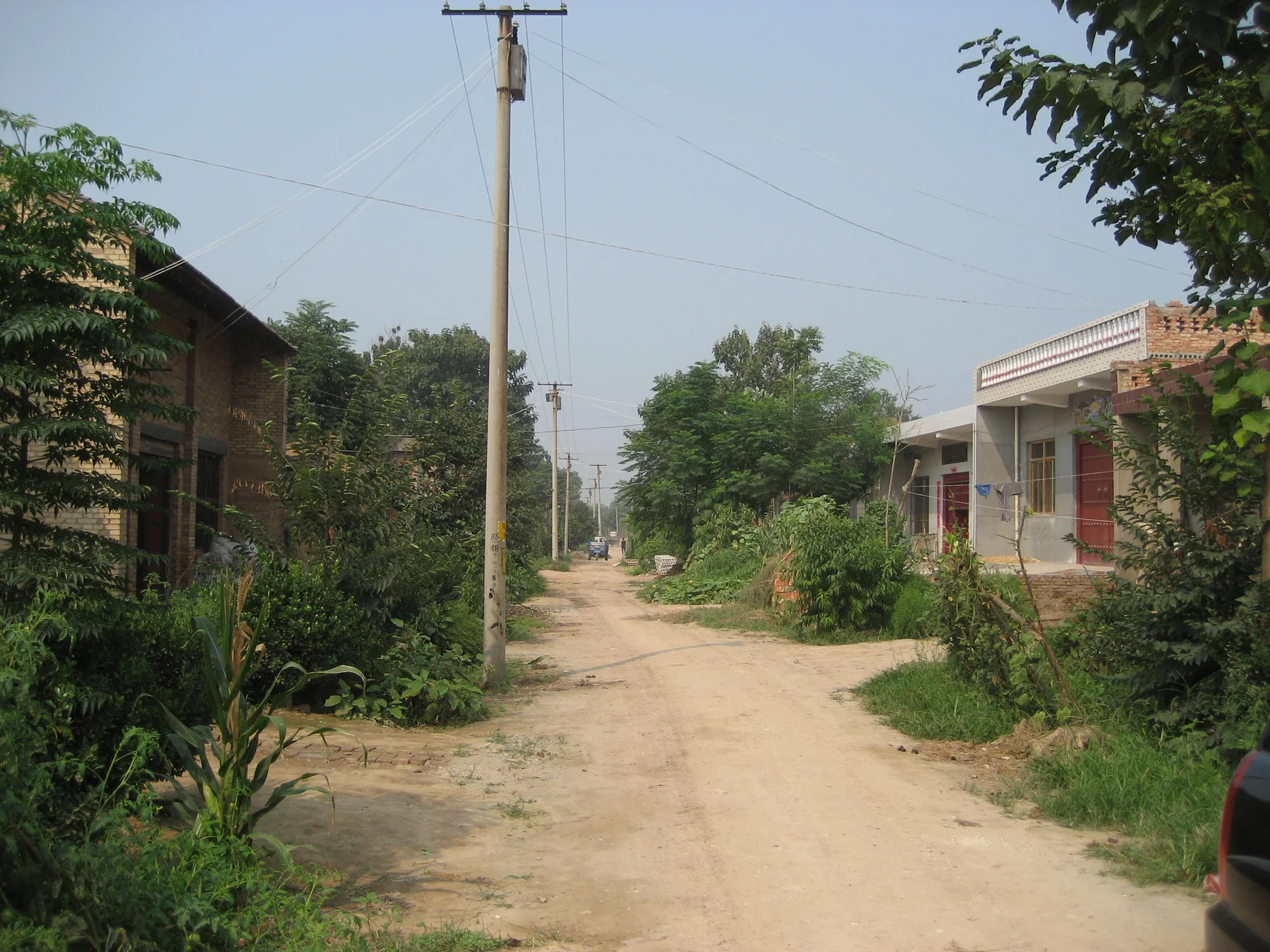
Open-license photographs make two recurring materials in Chen's cinema concrete: Peking Opera objects arranged before performance and a Shaanxi settlement held inside dry terrain.
Visible: material order before performance. Missing: a performer, rule and consequential break.
Visible: settlement and terrain at unequal scale. Missing: a film scene, ritual and character action.
Still missing: The photographs are not film frames, do not come from one ritual sequence and show no matched deviation or consequence. They cannot prove that Chen directed a scene in either location.
Approved reader records
The Atlas in public
The first matched ritual record is still open.
Approved records will connect one visible rule to one consequential deviation. A beautiful costume or grand composition without the before-and-after pressure cannot complete the Atlas.