Museum typography before the lived wedding room
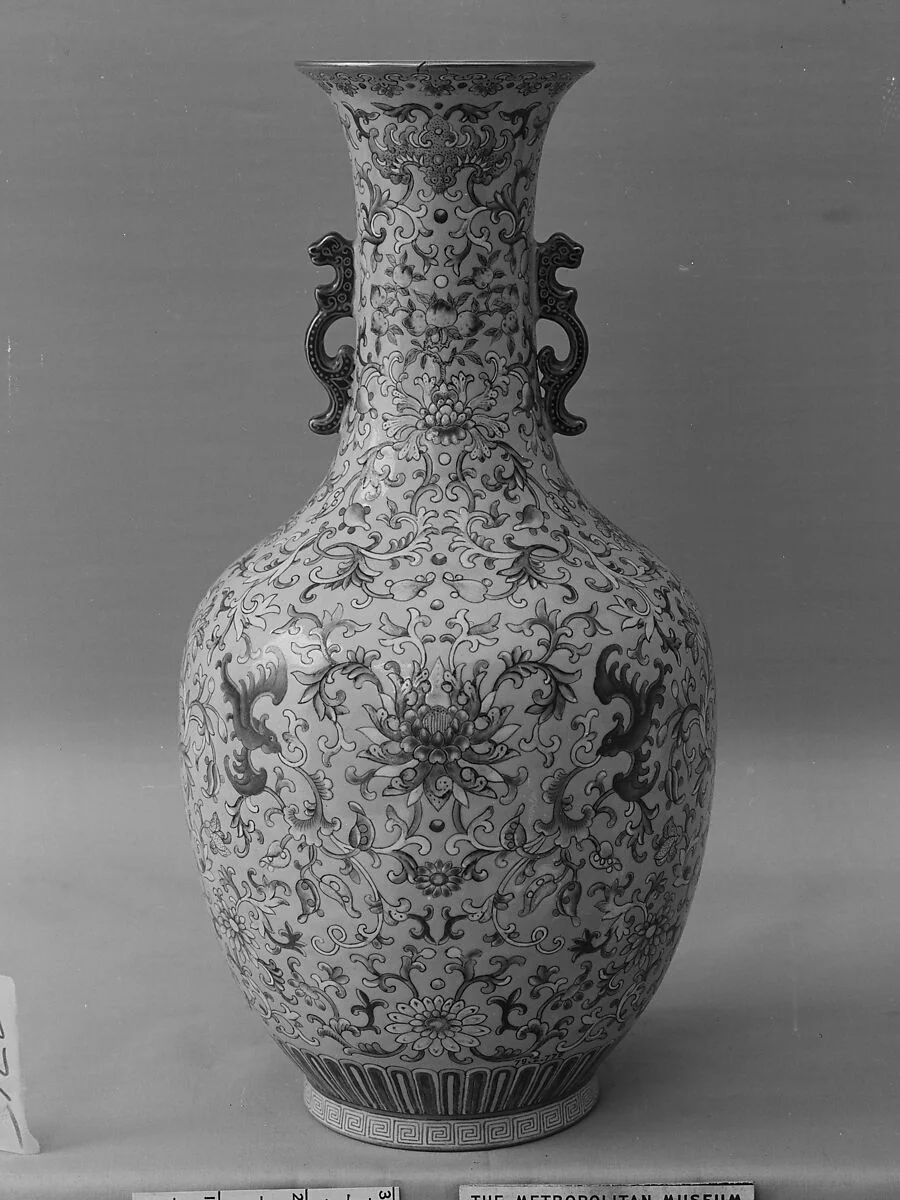
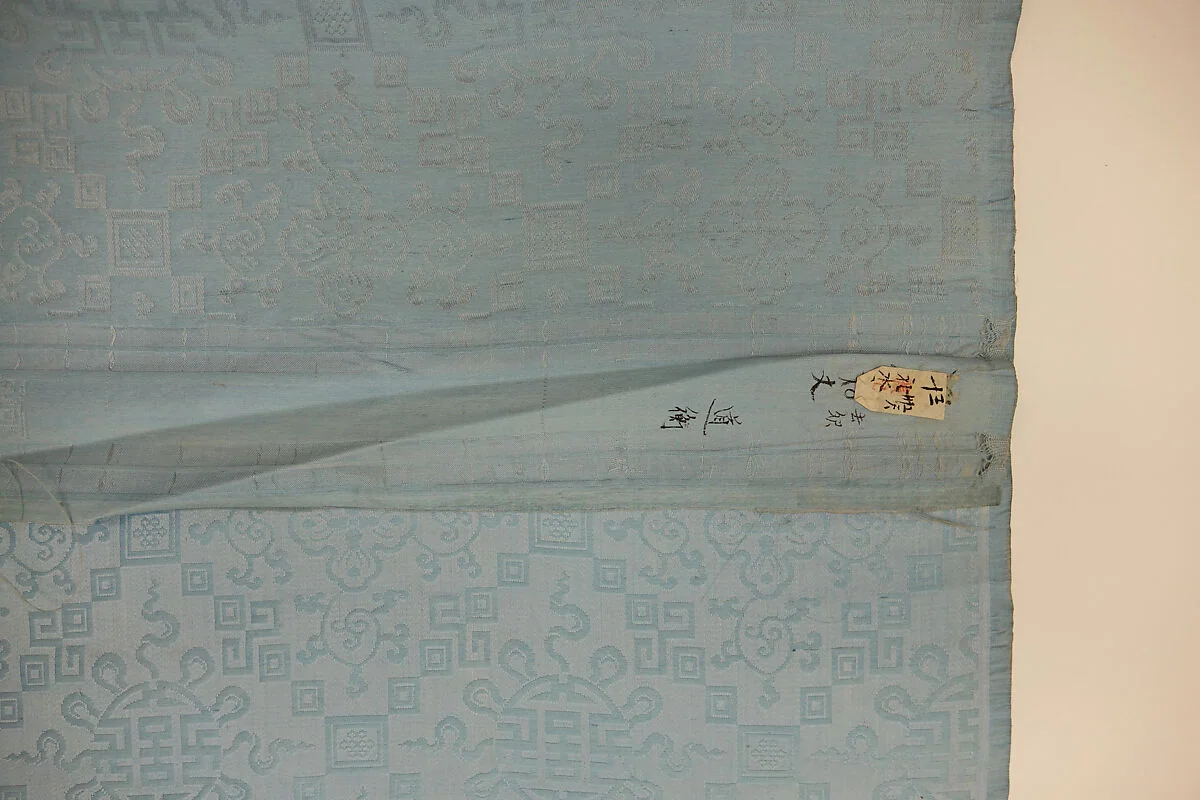
Editorial object comparisonA Qing vase centers the fused double-happiness graph among bats and peaches, while a silk length repeats single 喜 characters inside patterned roundels.
Reader-built field atlas
The graph 囍 becomes social typography when a threshold, table, garment or gift and the people acting around it remain visible.
Frame 1
The complete threshold, table, garment, gift or room with 囍 in place
Frame 2
A closer material detail that keeps neighboring words or motifs legible
What the note must add
Name the city or family context only with consent. Describe whether the graph marked arrival, tea, photographs, clothing or exchange, and distinguish a family rule from a venue package or generic online advice.
Submissions remain private until East Moment reviews the rights, specificity and usefulness of the record.
These are East Moment editorial records built from authorized or rights-cleared imagery. They are not reader submissions and do not count toward the public record total.
A Qing vase centers the fused double-happiness graph among bats and peaches, while a silk length repeats single 喜 characters inside patterned roundels.
Approved records will connect typography to people and action. A cropped red graph without its wedding space cannot complete the Atlas.