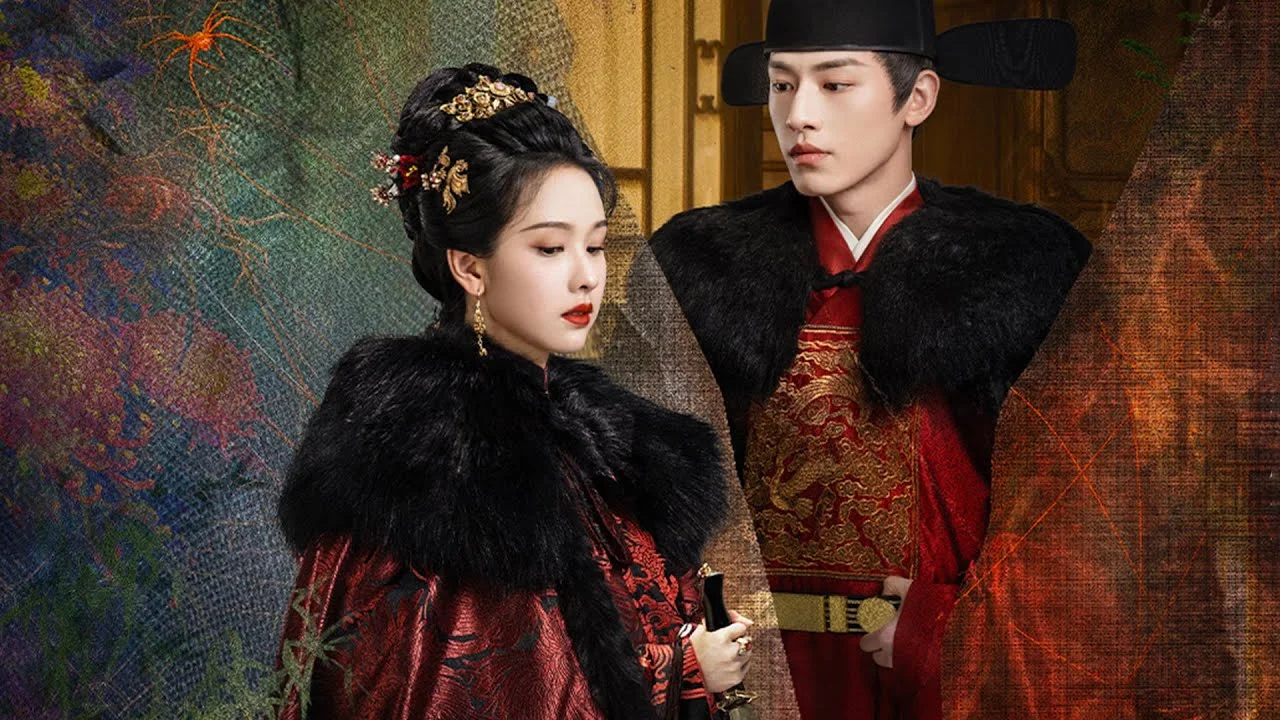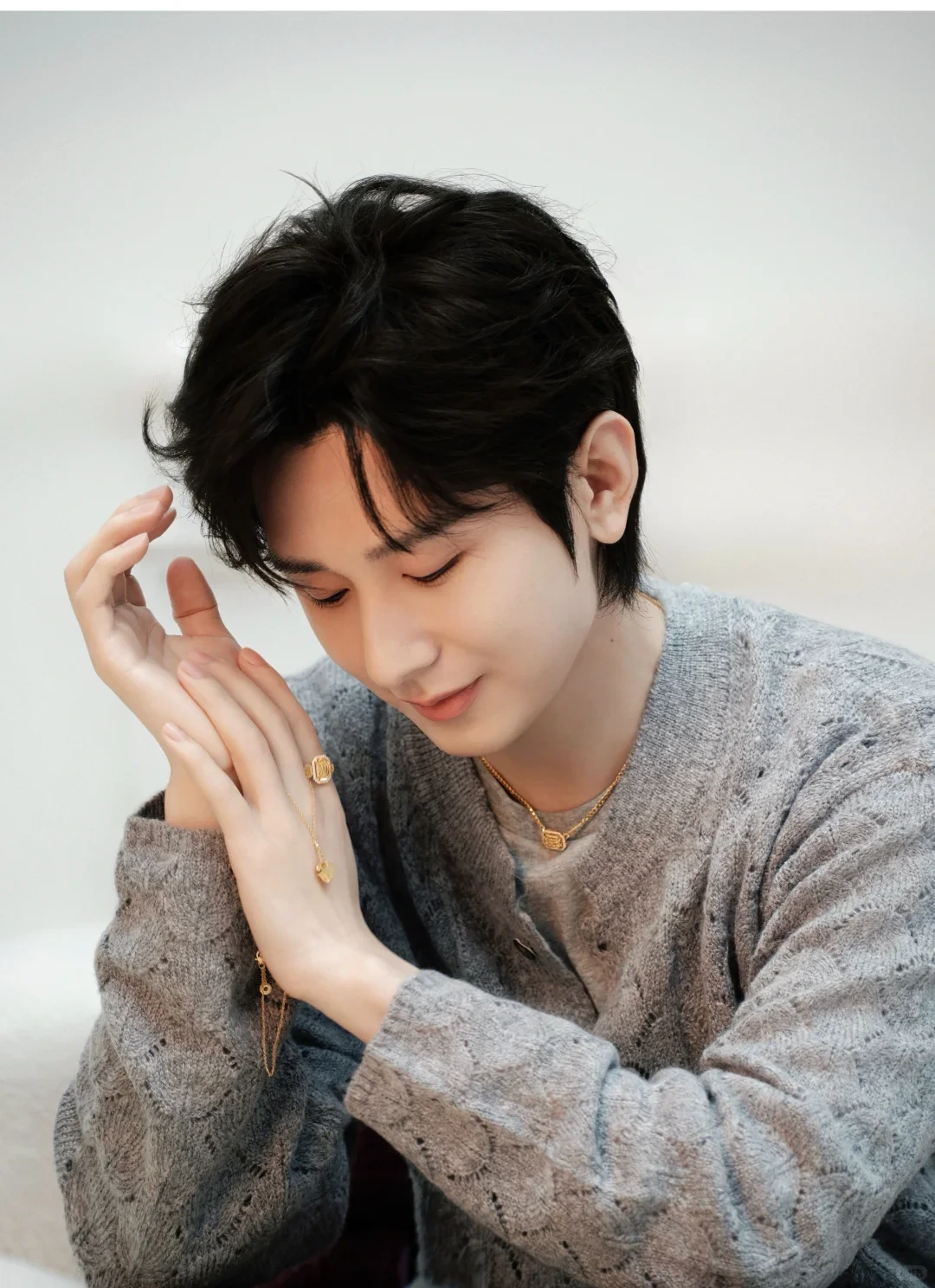
Chen Zheyuan is most convincing when charm is not the final answer. His strongest screen persona appears socially fluent, attentive and difficult to embarrass; the acting becomes interesting when another character refuses that fluency and forces a change in timing. Start with Hidden Love, follow with Mr. Bad, then use a costume role to test whether the same control can survive a different body and genre.
Chen Zheyuan in 60 seconds
| Question | Short answer |
|---|---|
| Chinese name | Chen Zheyuan (陈哲远) |
| Born | October 29, 1996, in Shenzhen, Guangdong |
| Occupation | Chinese actor |
| International breakthrough | Duan Jiaxu in Hidden Love (2023) |
| Best first drama | Hidden Love for controlled attention and emotional disclosure |
| Best second watch | Mr. Bad for comic disruption and a less polished romantic persona |
| Costume contrast | Handsome Siblings or The Princess and the Werewolf |
| Strongest asset | Making social ease look like both generosity and defense |
| Main limitation | Styling and gentleness can create the impression of depth before a scene proves change |
| East Moment test | Watch what happens when charm fails |
Chen Zheyuan is not difficult to like on screen. The useful question is harder: what can the performance do after likability has secured attention?
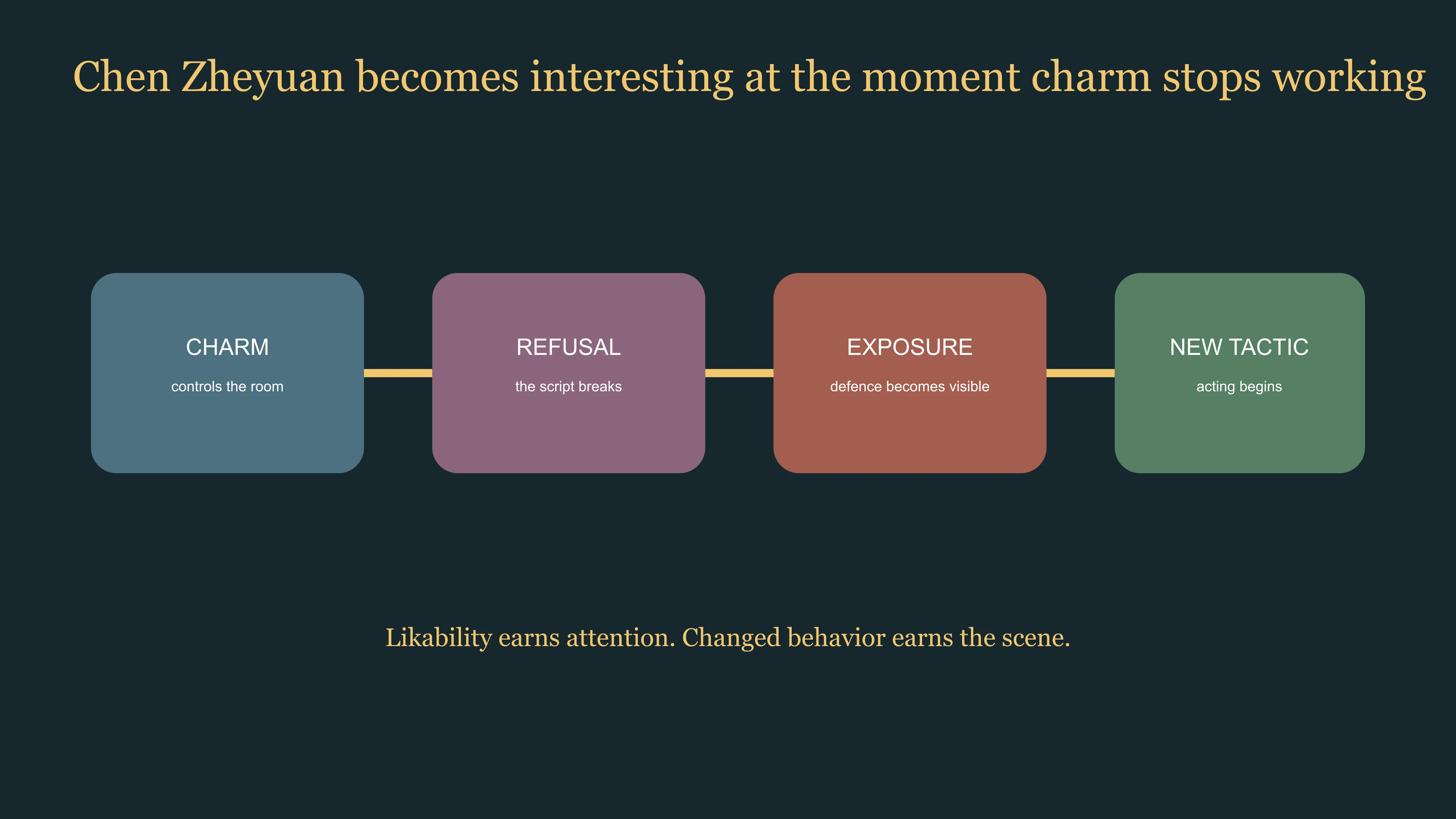
I have a clear personal bias here: I enjoy Chen Zheyuan most when the scene stops rewarding him for being pleasant. His face and screen manner can make a character feel emotionally safe before the writing has proved that the character deserves our trust. That is a powerful gift, but it can also become a shortcut. I am less interested in another role that says “he is secretly hurting” than in a role that forces him to change how he behaves.
That is the difference between a celebrity page and an actor page. A celebrity page collects recognisable images. An actor page asks what changes from role to role: timing, posture, comic risk, social power, silence, physical threat and the cost of being seen. Chen's career is worth following because his most useful next step is not simply a bigger production. It is a role in which his usual ease fails early and cannot be repaired by a smile.
Chen Zheyuan actor: the career arc I see
The simplest public story is that Hidden Love made Chen Zheyuan widely recognisable. That is true as an entry point, but it is not enough as an explanation. The role worked because Duan Jiaxu combined social ease with withheld difficulty. He was not merely a cold man who became warm. He was a man who knew how to make other people comfortable and therefore knew how to keep parts of himself out of reach.
After that breakthrough, the useful question became whether the same screen qualities could survive other genres. Mr. Bad asks him to spend dignity on comedy. Costume fantasy asks him to change the body's scale and rhythm. The White Olive Tree asks what happens when competence cannot undo consequence. These are not equally successful projects, but together they create a more honest map than a list of titles.
I do not think Chen's appeal comes from mystery in the abstract. It comes from controlled access. He gives the viewer enough attention to feel invited, then holds something back. When the writing gives that control a specific reason, the result is compelling. When the writing only repeats “handsome, kind, secretly sad,” the performance starts to look like a branded setting rather than a person.
Best Chen Zheyuan dramas by what you want
| Your intent | Start with | What it demonstrates | What to question |
|---|---|---|---|
| Understand the global breakthrough | Hidden Love | Controlled attention, teasing and gradual disclosure | Does warmth soften the premise too easily? |
| Test comic flexibility | Mr. Bad | Faster reaction, self-parody and romantic embarrassment | Does fantasy mechanics replace character pressure? |
| See an earlier costume lead | Handsome Siblings | Youthful agility and wuxia-adventure energy | Is movement more developed than interiority? |
| Test dual identity and visual transformation | The Princess and the Werewolf | Contrast between romantic and fantasy bodies | How much work is done by styling and premise? |
Do not begin with a complete filmography. A list cannot reveal method. These three stops create a test: composure, disruption, transformation. I insist on that route because a handsome chronology is not a profile; the same face has to solve three different kinds of pressure before range becomes more than publicity language.
If you searched Chen Zheyuan movies and TV shows, you probably want a practical answer rather than a catalogue. Start with Hidden Love for the signature romantic performance, Mr. Bad for comic damage to that signature, then choose The White Olive Tree for consequence or a costume title for physical transformation. I would not begin with the biggest-looking poster. I would begin with the role that asks the actor to lose his most reliable advantage.
Hidden Love turns charm into a defense
Duan Jiaxu knows how to make a social space comfortable. He jokes, remembers details and gives attention without initially making it a demand. That fluency is attractive, but it also protects him. A person who keeps exchanges light can prevent other people from seeing how much difficulty sits underneath.
The complete Hidden Love guide explains the relationship's essential ethical boundary: Sang Zhi's younger admiration cannot be treated as a promise. Chen Zheyuan's task is to show Duan Jiaxu recognizing the adult woman before him without retroactively romanticizing the child who once watched him. YOUKU's official trailer supplies the accountable role and production frame; the work page owns its visual evidence.
The important performance change is not a larger smile or a more intense gaze. It is lost control over tempo. Adult Sang Zhi can surprise him, reject his framing or ask the question he wanted to avoid. Duan Jiaxu then has to answer rather than manage.
This is also why the chemistry with Zhao Lusi matters without turning this page into a second Hidden Love recap. Sang Zhi is not a passive audience for Duan Jiaxu's charm. Her reactions make his social fluency unstable. She notices when a joke is a shield, when care becomes avoidance and when a delayed answer contains more information than a direct confession. The Zhao Lusi page owns her wider acting route; here she is the pressure that reveals Chen's method.
Reaction is the real evidence
Chen's face is often arranged for immediate legibility: soft attention, a restrained smile, direct eye contact. Those choices work well in clips because viewers understand the invitation instantly.
Across an episode, the stronger evidence appears between those poses:
- Does the smile arrive to hide discomfort or to create comfort for someone else?
- When a joke fails, does he speed up, become still or retreat?
- When another person controls the conversation, can he listen without preserving status?
- Does vulnerability change breath and posture, or only produce sad dialogue?
This is the difference between romantic image and acting information. The image says “safe, attentive man.” The performance must reveal what maintaining that image costs the character.
Mr. Bad is the necessary second watch
In Mr. Bad, Chen plays Xiao Wudi, a fictional villain drawn into the real world by Nan Xing, played by Shen Yue. The premise gives him theatrical confidence and then repeatedly makes that confidence ridiculous.
iQIYI's official trailer is useful because comedy destabilizes the polished romantic frame. Watch how quickly Chen changes expression when a grand plan meets ordinary embarrassment.
Comedy matters as a range test because it removes the protection of uninterrupted desirability. A performer must be willing to lose dignity at exactly the right speed. Chen is more interesting when Xiao Wudi's certainty collapses into reaction than when the character simply returns to controlled charm.
This is also a useful link to Shen Yue's drama world: her practical comic tempo makes a stronger counterforce than a partner who only receives the performance.
My bias is that Mr. Bad is more important to Chen's profile than its plot reputation suggests. I am not claiming it is the deepest drama in his filmography. I am saying it exposes a risk that polished romance can hide: can he let a character look foolish without immediately recovering the handsome posture? The answer is often yes, and that “often” is more valuable than another perfect close-up.
Costume fantasy tests whether the body changes
Modern romance lets small facial changes carry much of the information. Costume fantasy demands a larger physical grammar: stance, sleeves, fighting rhythm, status and the different pace of formal speech.
That boundary matters. A new hairstyle is not range. Ask whether the character's center of gravity, eye contact and response speed change when identity changes. Production design can announce difference; the actor must sustain it after the reveal becomes familiar.
Our Secret shows why school-age ease is not adult mastery
Our Secret gives Chen Zheyuan an earlier modern-romance baseline as Zhou Siyue. The school setting makes competence visible through study, teasing and peer hierarchy rather than restaurants, work and family debt. That difference matters. A clever student can control a classroom exchange and still be emotionally unprepared; Duan Jiaxu's ease belongs to an adult who has learned how to hide difficulty inside social usefulness.
Watch the roles back to back and the danger becomes obvious. If the same half-smile means confidence, affection and concealment in both, recognizability has replaced character. The stronger comparison asks what each man is protecting. Zhou Siyue protects pride and an uncertain future. Duan Jiaxu protects other people from the burden of knowing what his composure costs.
The White Olive Tree demands consequence after protection fails
The 2025 iQIYI series The White Olive Tree identifies Chen as Li Zan, an explosive engineer whose competence, guilt and aftermath carry a heavier dramatic burden than courtship alone. This is precisely the test his career needed. A protective man is easy to admire while rescue works. The performance becomes difficult after skill cannot prevent loss.
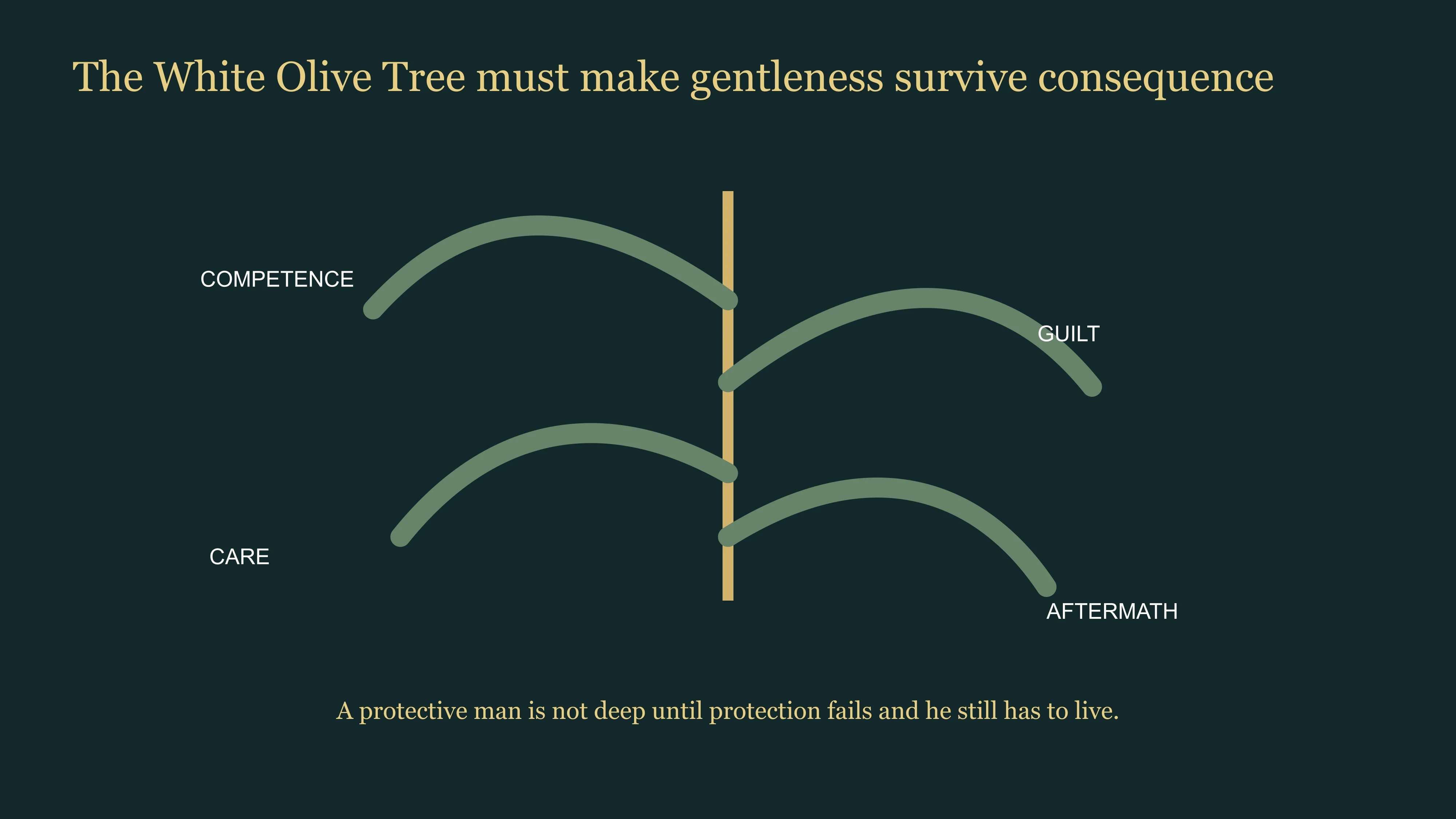
I do not praise the role merely because the subject looks serious. Trauma makeup, silence and a dangerous setting can manufacture importance as efficiently as romantic lighting manufactures tenderness. Chen has to make Li Zan's attention change after guilt: what he notices, what he avoids, how quickly he offers reassurance and whether care remains possible without pretending damage has disappeared. If the performance only turns Duan Jiaxu's gentle gaze sadder, the role has not travelled far enough.
This is where I become stricter than a normal fan guide. A serious setting does not automatically create serious acting. The role must show a changed relationship to ordinary life: a pause before entering a room, a refusal to promise what cannot be controlled, an attempt to help that does not erase the other person's fear. Those are choices I can evaluate. “He looks tortured” is not an evaluation.
Three roles reveal three different kinds of courage
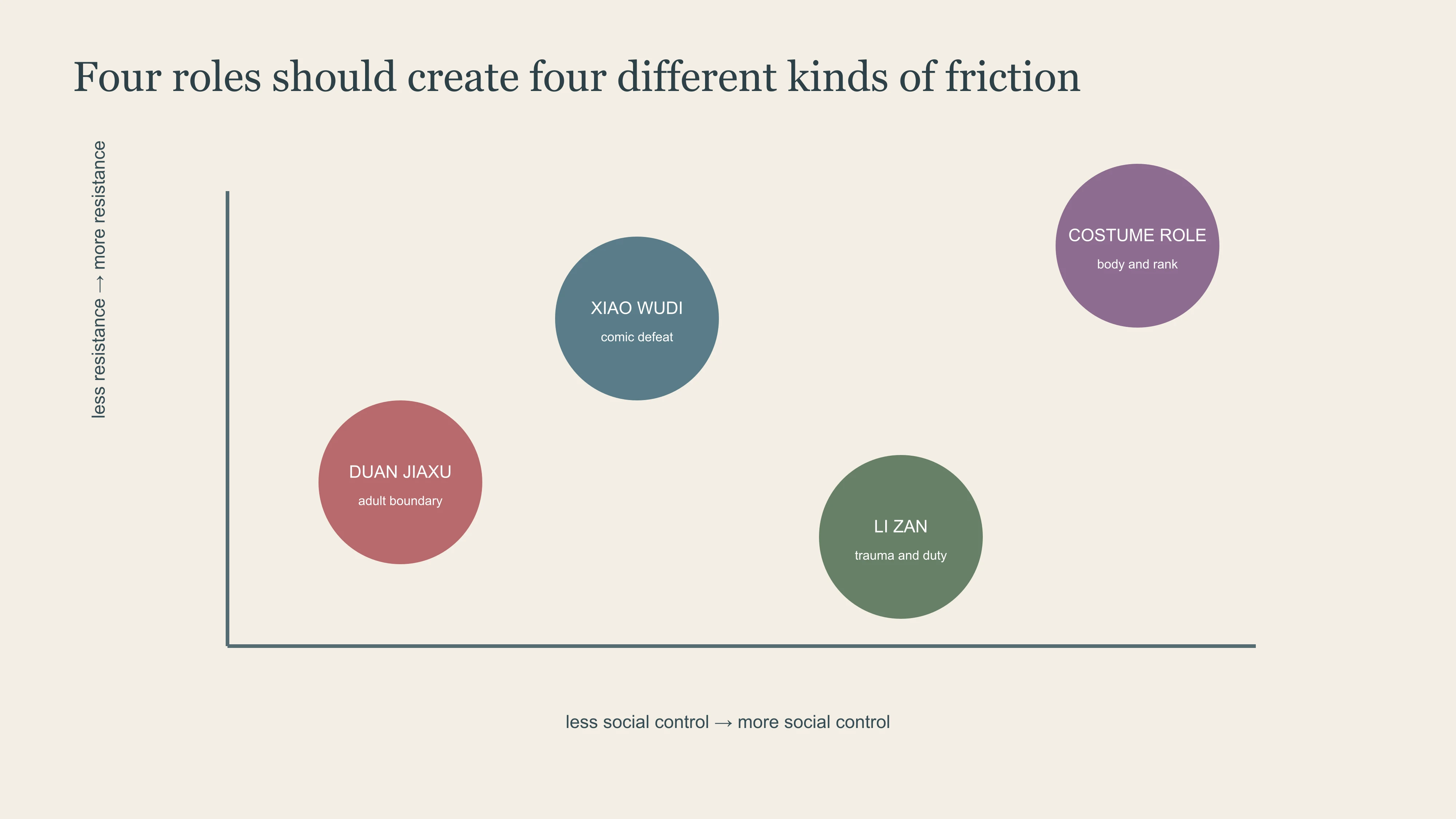
Duan Jiaxu, Xiao Wudi and Li Zan should not be graded on one scale of charm. Each man is forced to spend a different social resource.
Duan Jiaxu spends control. His courage appears when he stops managing how much difficulty other people can see. The decisive movement is from useful older friend to an adult partner willing to be answered, refused and known.
Xiao Wudi spends dignity. Comedy repeatedly breaks the authority he thinks a villain should possess. Chen has to accept the ugly beat—the startled face, badly timed recovery or petty reaction—rather than smooth it back into romance. That willingness is not trivial. An actor protected by good looks can become terrified of looking foolish; comedy exposes the fear immediately.
Li Zan spends competence. His profession gives him the most morally serious form of control, because skill can protect life. The role becomes meaningful only when competence meets a consequence it cannot undo. From that point, courage is no longer rescue. It is staying responsive without using care as proof that the damaged self has been repaired.
This comparison is why I refuse to call every quiet look “mature acting.” The same lowered voice can hide pain, set up a joke or contain guilt. The role becomes specific only when the next decision changes. Chen's future depends on increasing that specificity, not enlarging the wardrobe.
The public interview is context, not access to a private self
The opening image comes from an official YOUKU cast interview. It confirms Chen's participation in an accountable promotional conversation and lets international readers hear him speak outside character.
It does not reveal an unfiltered private personality. Promotional interviews are performances with a different contract: relaxed, cooperative and built to support a release. They are useful for comments about process when attribution is exact, but they should not be mined for relationship rumor or treated as psychological proof.
East Moment excludes dating speculation, fan-war claims and visual “evidence” assembled from unrelated appearances. None of it helps a reader choose or understand a performance.
What international viewers often miss
English-language profiles tend to translate the title and summarize the plot. They often miss how contemporary Chinese romance uses social competence as a class and adulthood signal.
Duan Jiaxu's appeal is not only beauty or kindness. He can handle a restaurant table, a family interaction, teasing between friends and the discomfort of another person without making every exchange visibly difficult. That competence makes later vulnerability meaningful because the character has something to lose: his ability to control what others can see.
This is why Zhao Lusi's reaction work is structurally necessary. If Sang Zhi only admired him, the role would remain an image. Her adult refusal and observation turn his composure into a dramatic problem.
Where the current screen persona can become repetitive
Warm gaze, light teasing and protective attention are highly effective romantic signals. Repeated without a different moral pressure, occupation, social position or physical rhythm, they can make separate characters feel like variations of one promise.
The next decisive Chen Zheyuan role does not need to be darker. It needs to make his established social fluency ineffective. A character who cannot charm the authority figure, reassure the partner or hide behind humor would force new behavior.
That is a more useful standard than asking whether the next costume is grander or the next co-star is more popular.
I also do not think the answer is to reject romance. Romance is where Chen's control is most legible, and that is why it is such a useful laboratory. The next great role could still be a love story if the relationship does not reward him for being emotionally polished. Give him a partner who reads the performance before the audience does, a family or workplace that cannot be softened by charm, and a consequence that remains after the confession. That would move the persona forward without pretending the old strength never existed.
Where to start watching
- Watch Hidden Love first for the most controlled use of attention, ease and withheld difficulty.
- Watch Mr. Bad second because comedy exposes whether control can bend without breaking the performance.
- Choose Handsome Siblings for earlier wuxia energy or The Princess and the Werewolf for explicit dual-identity fantasy.
- Return to the Chinese actors collection or Chinese television guide and compare another performer whose strength is not charm—stillness, action precision or comic speed.
This sequence is designed to produce a judgment, not completion. Three contrasting roles teach more than ten titles watched without a question.
If you only have time for one drama, choose Hidden Love. If you already know Duan Jiaxu and want to know whether Chen can surprise you, choose Mr. Bad. If you are deciding whether to follow him beyond romance, choose The White Olive Tree and watch for consequence rather than chemistry. That is the honest order I would use, because it makes the familiar role a baseline instead of letting it become the final verdict.
Final verdict
Chen Zheyuan's strongest quality is not simply romantic warmth. It is the ability to make ease function as a screen: generous to other people, protective of the character and vulnerable to the one person who can see through it.
That quality made Duan Jiaxu internationally legible. It should not become a permanent comfort zone. The performances worth following will make charm fail early enough that another instrument has to take over.
In the comments, name the exact instant a Chen Zheyuan character loses control of the social rhythm. Do not bring a beautiful still. Bring the failed joke, delayed answer, changed breath or practical decision that proves another instrument took over.