Workers operating a PCB electroplating line, showing Chinese innovation inside the repeatable process behind a finished product

Product · supply chain · adoption · consequence

Chinese Innovation

Chinese innovation across design, science, manufacturing, climate, mobility and creative industries, grounded in people and practical application.

Follow the idea into use

6 published guides across 6 core paths.

Follow the product backward

Chinese innovation is a chain, not a eureka photograph

The finished product lies. It presents itself as a clean object with one brand and one launch date. Follow it backward and the story becomes crowded: component substitutions, supplier calls, tooling changes, software patches, impatient customers, factory tolerances, logistics and financing. That crowded chain is not background. It is the central fact of Chinese innovation—and the reason speed can produce both astonishing improvement and avoidable damage.

Link 01 · The showroom is the end

Start with the friction the product removes

Innovation does not begin when a company uses the word. It begins when a product removes a stubborn cost: charging anxiety, a missing component, a slow inspection, an inaccessible creative tool or a supplier search that previously required weeks. Chinese companies are often strong at making that removal visible quickly. Dense domestic competition then creates an unforgiving feedback loop. Features spread, interfaces improve and prices move before an overseas observer has finished describing the first version.

Speed is not automatically originality, but neither is rapid iteration intellectually empty. Integrating hardware, software, manufacturing and service at scale is difficult work. The sharper criticism asks where the new value sits. Is it a scientific breakthrough, a production method, a user-experience change, a business model or simply cheaper coordination? Naming the layer prevents both hype and condescension.

Link 02 · The city is part of the machine

Clusters make information move before objects do

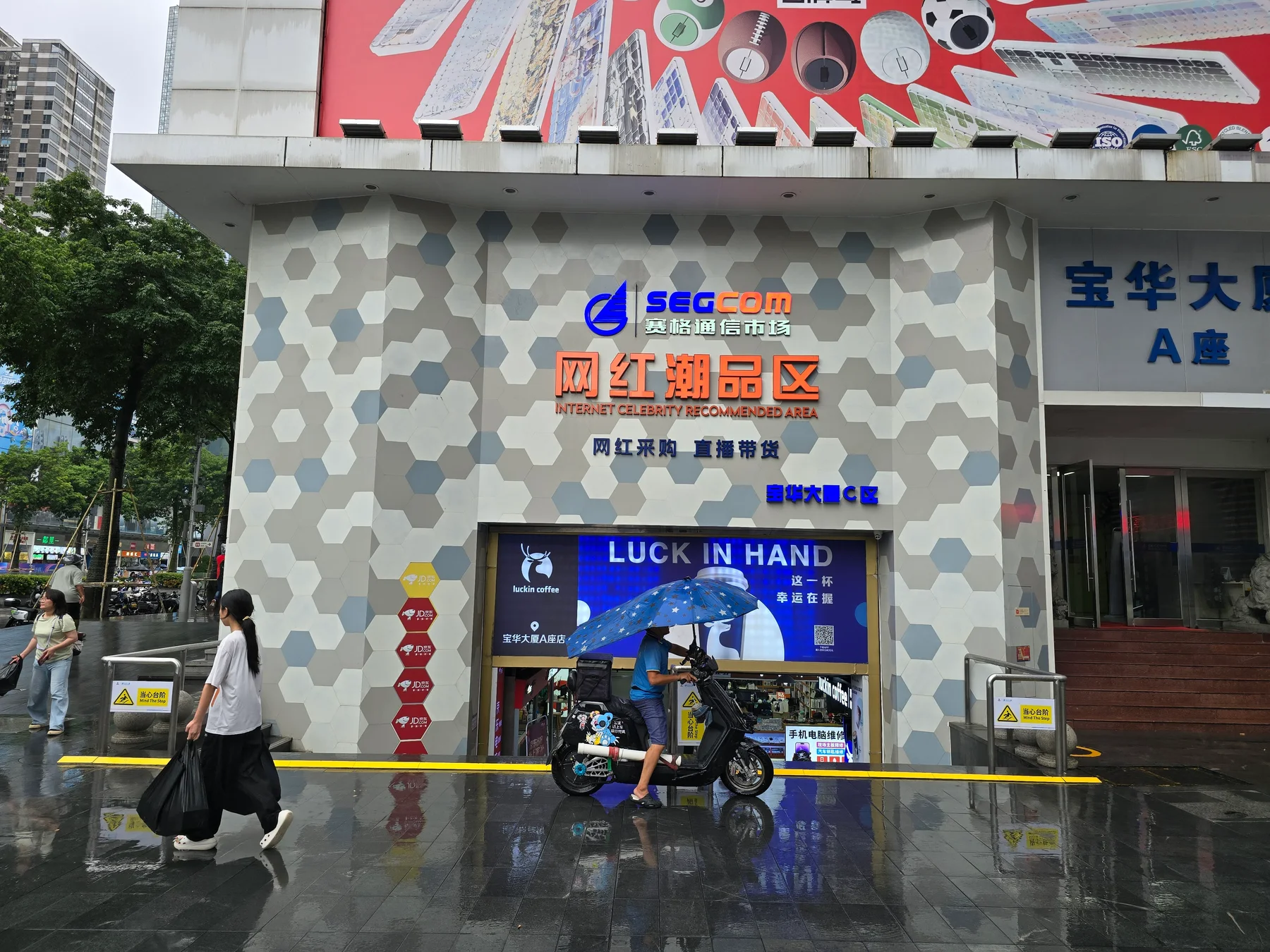
Shenzhen matters not because every factory is there, but because an engineer can discover a missing part, inspect alternatives, change a board and reach another specialist inside a compressed geography. The advantage is informational density. Similar logic appears in batteries, electric vehicles, textiles, ceramics and consumer goods across different Chinese cities. A cluster turns tacit knowledge—who can solve this, which tolerance is risky, what substitute is available—into production speed.

This density has a darker edge. Fast substitution can outrun documentation. A buyer can mistake a market booth for a factory. Environmental cost may sit far from the showroom. Workers carry the volatility that consumers experience as choice. Anyone celebrating Chinese innovation without following the supply chain is telling only the comfortable half of the story. Anyone dismissing the chain as mere copying is ignoring a sophisticated system of coordination.

Years around export business taught me to distrust the clean noun 'supplier.' At a fair or market, the friendly person, sample, company name, production line and export entity may belong to different layers. I have watched a promising conversation become useful only after someone sent the drawing, answered the difficult material question and attached a real date to the next action. That is why my idea of innovation begins with follow-through. A brilliant prototype and a warm meeting are beginnings; repeatable delivery is the argument.

Link 03 · Scale needs a measure

Patent counts are evidence, not a personality test

WIPO's 2025 Global Innovation Index placed China in the global top ten for the first time and identified twenty-four Chinese clusters in the world's top hundred. Shenzhen–Hong Kong–Guangzhou ranked first in the cluster table. Those facts matter because they make broad denial impossible. They do not prove that every patent is valuable, every sector is healthy or every product is original. An index is a map of indicators, not a moral verdict on a country.

The cluster data is most useful when it sharpens local questions. Shenzhen–Hong Kong–Guangzhou is strong in digital communication and engineering; Ningde's intensity is heavily connected to battery innovator CATL; other cities show different balances between publication, patents and venture activity. There is no single Chinese innovation model. City, industry, finance and institutional history create several models living under one national label.

Comparable indicators establish scale while leaving product quality and social value open to investigation. WIPO Global Innovation Index 2025 results

Link 04 · Design is a consequence

A product reveals what its maker believes people should tolerate

Every technical decision contains a view of the user. A drone that makes complex movement accessible can widen visual authorship. The same product raises questions about repair, airspace, data and dependency. A car that turns waiting into entertainment can delight a family while expanding the amount of software that must remain reliable for years. Innovation is not the feature alone. It is the new relationship—and the new failure mode—the feature creates.

This is why I refuse the phrase 'innovation at any cost.' Cost is not an obstacle outside innovation; it is part of design intelligence. Energy use, recyclability, repair, labour, accessibility and policy resilience determine whether a product's value survives scale. A brilliant prototype that externalizes every difficult consequence is unfinished work.

Link 05 · The backward audit

My five-question test for any Chinese innovation claim

What exact friction disappeared? Which layer changed—science, production, interface, distribution or price? What cluster and suppliers made iteration possible? What new dependency or harm arrived? Can the result repeat outside a launch demonstration? If an article cannot answer those questions, it is publicity with extra nouns.

Chinese innovation deserves more demanding attention precisely because it is substantial. The country is not a single factory and not a frictionless future. It is a set of intense local systems that can move an idea into millions of hands with unusual speed. That capacity should inspire curiosity, competition and scrutiny at the same time. Praise without inspection is weak. Dismissal without inspection is weaker.

I also want to know what survives after the subsidy, launch discount or first wave of national attention. Durable innovation needs repair knowledge, trained operators, stable standards, patient customers and an exit route when a company fails. China's speed can make the first year spectacular; infrastructure and governance decide the tenth. A product that cannot be maintained is not fully scaled simply because many units shipped.

Global readers should also resist treating export success as the only proof of value. A product can solve a specifically Chinese urban, payment or infrastructure problem brilliantly before it travels. Conversely, an object that sells overseas may have won through price and distribution rather than deeper design. Innovation has geography. The disciplined question is not whether China has produced 'the future,' but which future, for whom, under which supporting system and with what chance of surviving somewhere else.

East Moment Community

Take one Chinese product apart on paper.

Trace it backward from user problem to product layer, city, component or supplier system—and name one cost the launch story hides.

Why return: The best maps will become living cluster references, updated when components, rules or routes change.

What should East Moment send you?

Follow the chain that makes novelty usable

Chinese innovation: trace the product from dense system to ordinary use

Chinese innovation is rarely one dramatic invention. It is the dense chain that turns an idea into an affordable, revisable and distributed product: suppliers, engineers, software, regulation, manufacturing and impatient users. Novelty is cheap; repeated consequence is the standard.

A multi-indicator benchmark for testing broad innovation claims against comparable evidence. WIPO Global Innovation Index

Published guides, organized by intent

Explore chinese innovation through complete, connected collections

A collection page must do more than list recent posts. Choose the question that brought you here, open a focused guide, then keep moving through works, people and related cultural context without returning to search.

Collection 01 · Chinese innovation and advanced manufacturing

The dense product chain is the real speed advantage

2 published guides

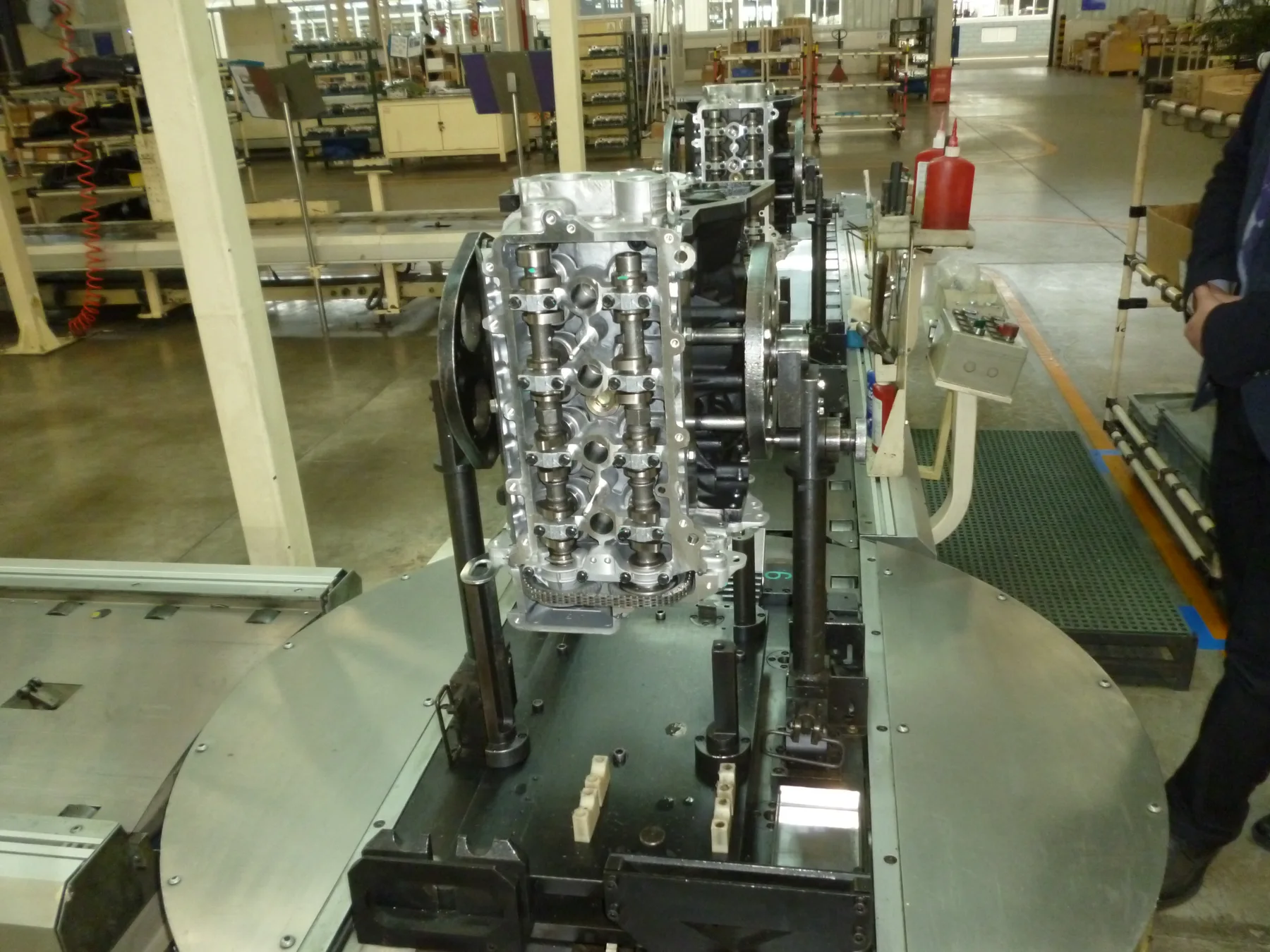
Manufacturing clusters and Shenzhen component markets make revision fast because material, process, supplier and feedback sit close together. That density accelerates discovery; it never removes the need to verify repeatability and quality.

Collection 02 · Chinese EV, drone and mobility innovation

Mobility innovation must survive rules and ownership

3 published guides

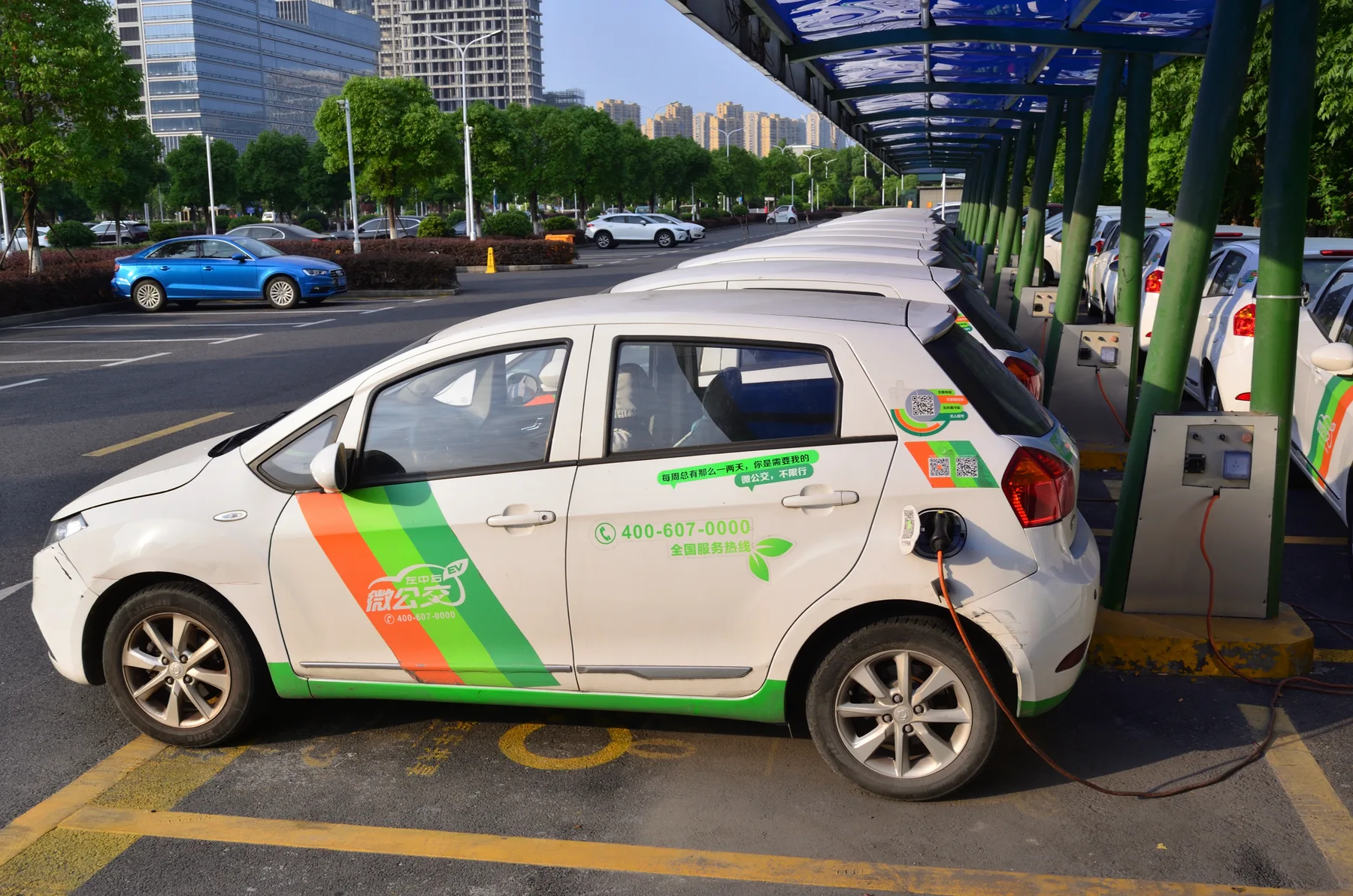
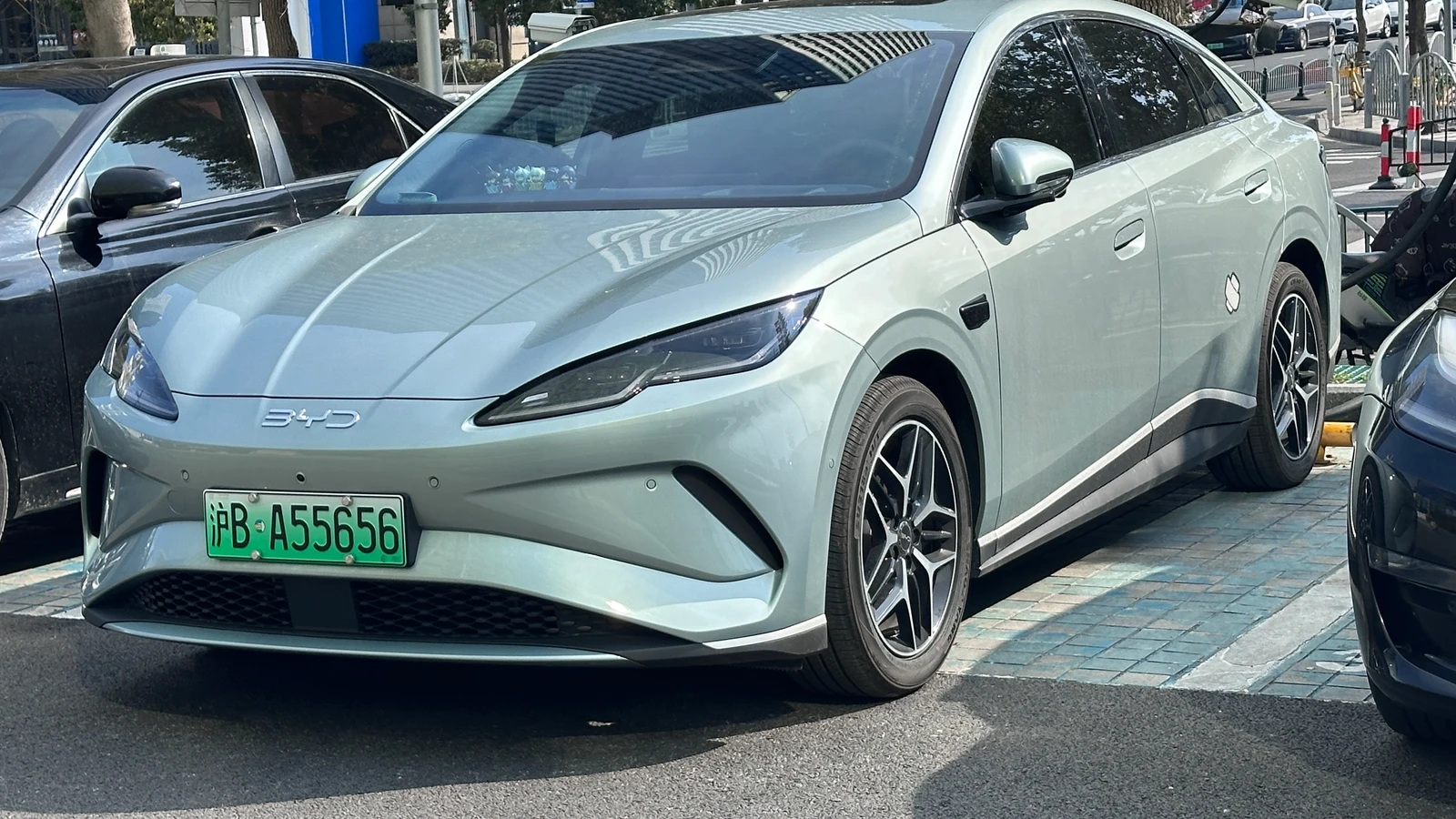
DJI, BYD and Li Auto become global technology stories through capability, price and supply chain, but market access, regulation, repair and years of ownership determine whether the product remains useful outside a launch event.

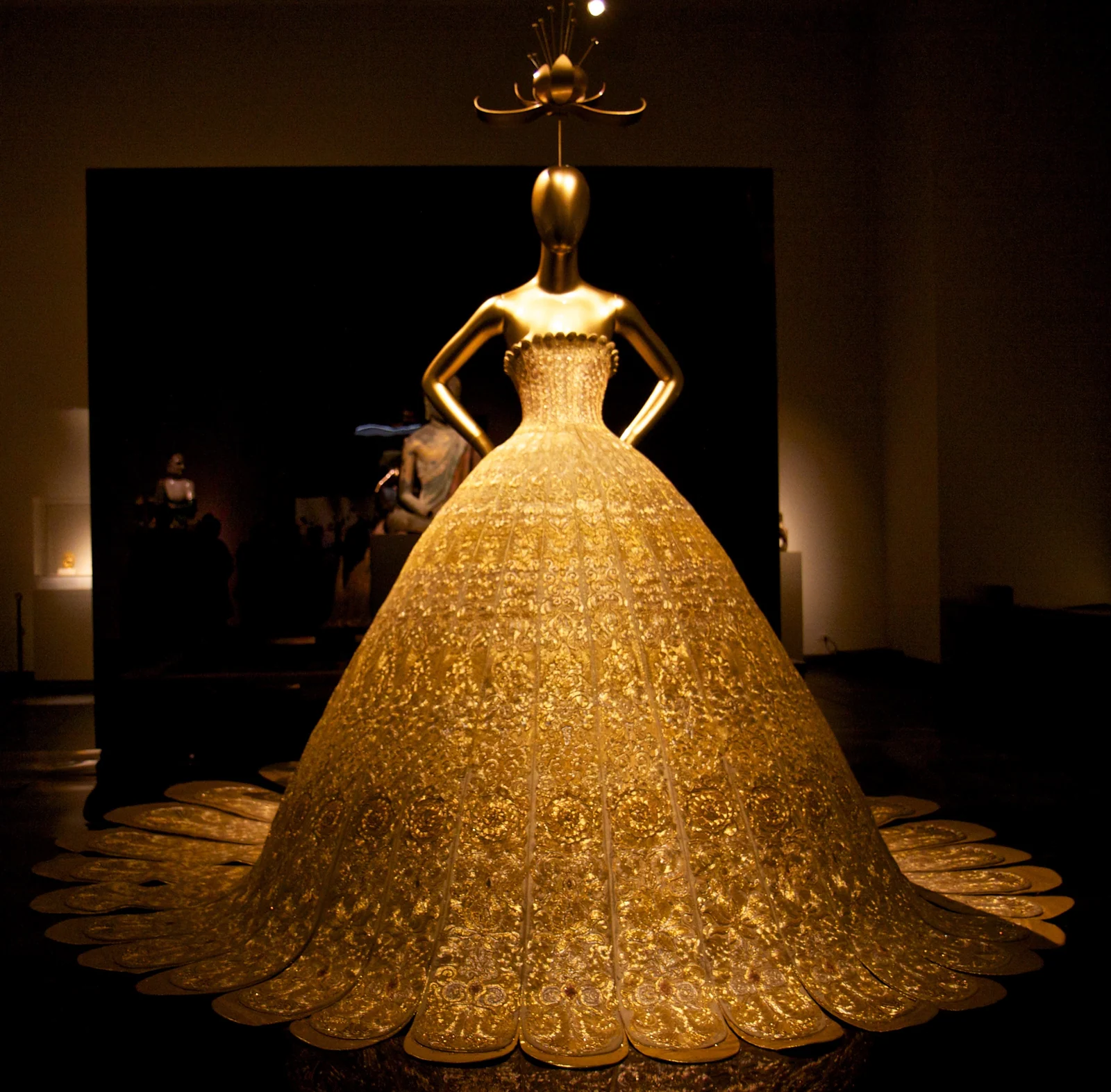
Collection 03 · Chinese design innovation and Guo Pei

Creative innovation is also material engineering

1 published guide

A couture garment holds pattern, embroidery, structure, labor and an argument about how Chinese references enter a global room. Guo Pei proves that innovation is not confined to laboratories or electronics factories.