Bai Lu is most persuasive when a role forces her to change tactics in public. Grief gives her memorable scenes, but emotional volume is not the method. Watch what happens just before the outburst: she reads a hierarchy, chooses a safer mask, tests another person and then decides whether the rule can still be obeyed. Start with One and Only, then use Arsenal Military Academy and Story of Kunning Palace to see that same speed under three different systems.
Bai Lu in 60 seconds
| Question | Short answer |
|---|---|
| Chinese name | Bai Lu (白鹿); born Bai Mengyan |
| Born | September 23, 1994, in Changzhou, Jiangsu |
| Best first drama | One and Only for restraint under court and family duty |
| Best performance contrast | Arsenal Military Academy for physical disguise and comic adjustment |
| Best strategic role | Story of Kunning Palace for memory, leverage and revised decisions |
| Popular fantasy entry | Till the End of the Moon |
| Current 2026 test | Li Peiyi in Unveil: Jadewind |
| Modern companion | Forever and Ever after One and Only |
| Main misunderstanding | That suffering itself creates performance depth |
| East Moment test | Identify the rule, then watch when her character stops following it in the same way |
If you want one answer, watch One and Only. If you want to judge range rather than simply collect costumes, follow it with Arsenal Military Academy. The second role changes posture, pace and social risk, not only genre.
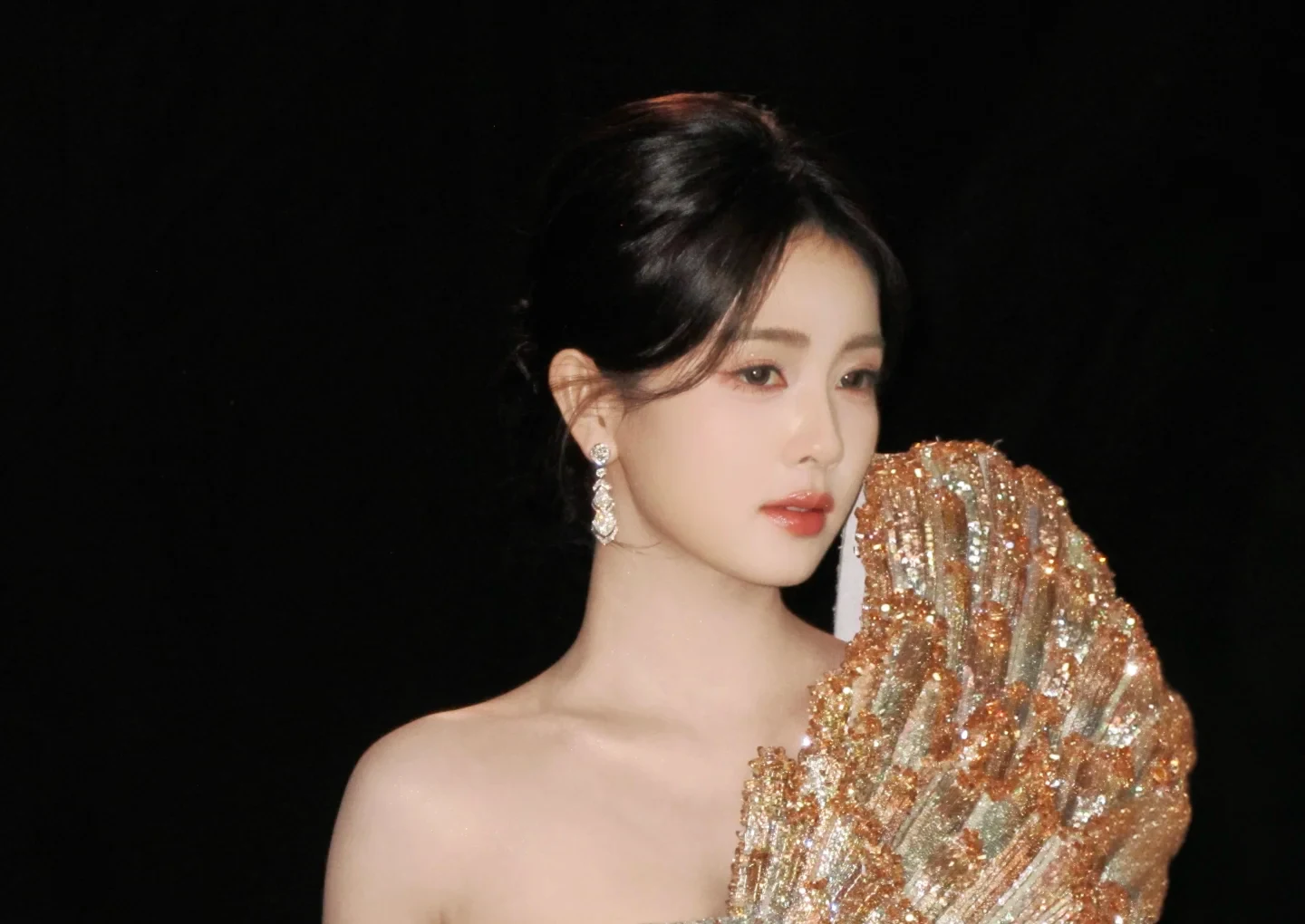
This 2026 ceremony portrait proves present-tense public visibility and a far sharper fashion image than the “suffering heroine” thumbnails that still dominate searches for Bai Lu. It proves neither acting quality nor what happened inside a drama. I want that boundary visible because a current portrait should update the person page, not quietly impersonate performance evidence.
Best Bai Lu dramas by what you want
| Your viewing goal | Start with | What to watch |
|---|---|---|
| Restrained historical tragedy | One and Only | How Cui Shiyi communicates when speech and desire are constrained |
| Gender disguise and action comedy | Arsenal Military Academy | How Xie Xiang monitors voice, stance and exposure |
| Palace strategy and second chances | Story of Kunning Palace | How Jiang Xuening converts remembered danger into present leverage |
| Large-scale xianxia emotion | Till the End of the Moon | Whether multiple identities remain behaviorally distinct under spectacle |
| Modern romantic continuity | Forever and Ever | Quiet recognition without the same courtly rules |
This is a viewing route, not a quality score for every title. Each selection changes the pressure placed on the actor.
One and Only makes silence an active decision
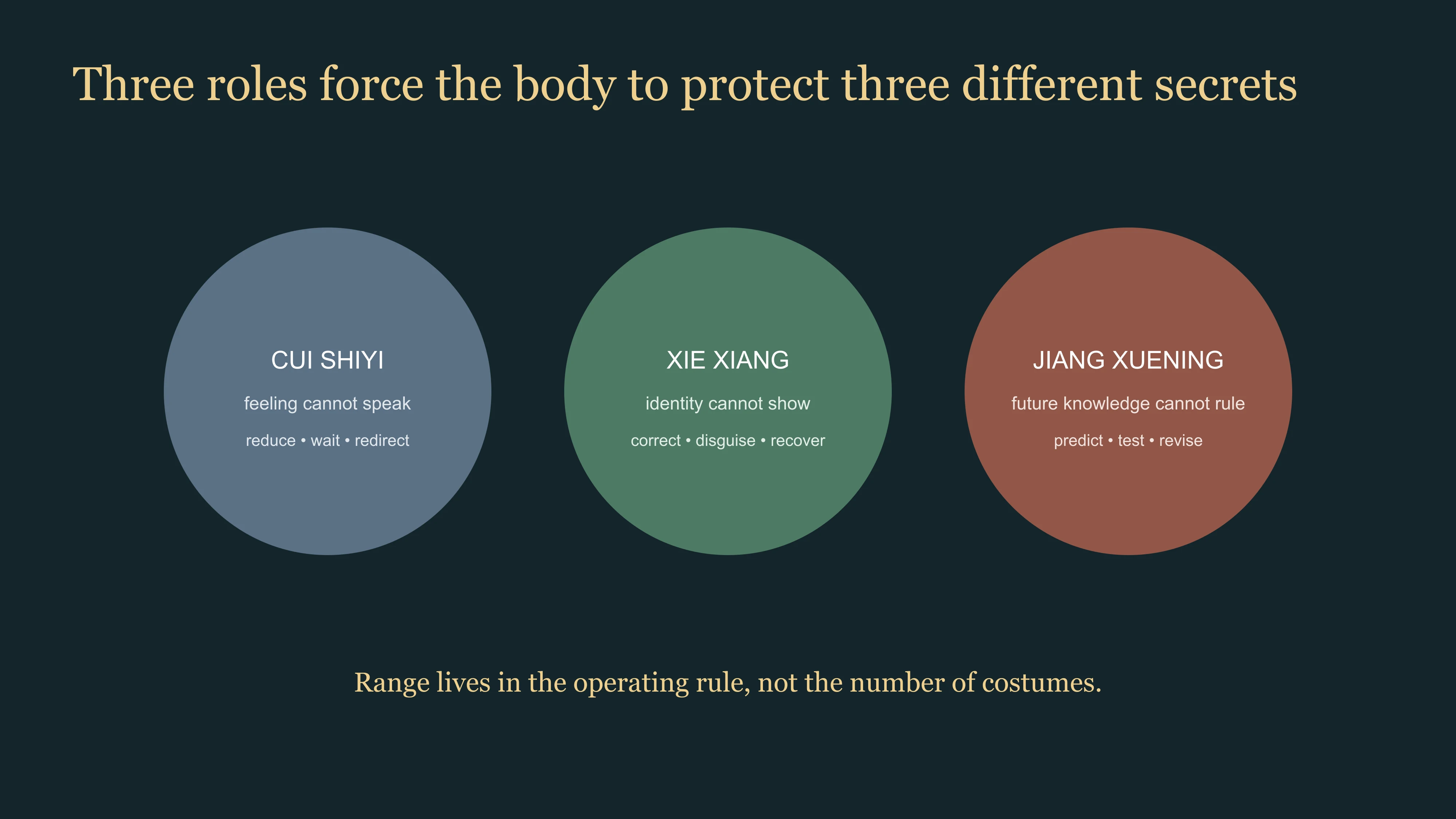
Cui Shiyi enters a political and familial order where affection cannot simply become a private choice. The drama's tragedy works only if restraint is more than waiting for permission.
Bai Lu gives Shiyi social attention. The character notices who is present, which promise controls the room and how much feeling can be shown without creating immediate harm. A pause is useful because it contains calculation; it is not automatically profound because the costume drama moves slowly.
Track three moments in a scene:
- the response Shiyi appears ready to give;
- the person or rule that makes it unsafe;
- the smaller gesture that carries what speech cannot.
The official iQIYI trailer provides accountable role and production context. It does not replace the complete drama or turn fictional etiquette into history.
Arsenal Military Academy proves control can be physical and funny
Xie Xiang enters a military academy disguised as her brother. The role creates an immediate practical problem: disguise must survive rooms, drills, dormitory life and other people watching at close range.
Here performance becomes continuous correction. A stance can be too guarded, a reaction too quick or a bodily habit suddenly visible. Comedy arrives when the character must repair the social signal before another person completes the inference.
This is the most useful contrast with One and Only. Both roles monitor exposure, but the body solves different risks. Shiyi reduces a feeling that cannot be declared. Xie Xiang manages information that cannot be discovered.
Story of Kunning Palace turns memory into leverage
Jiang Xuening returns to an earlier point in her life carrying knowledge of a disastrous future. A second-chance premise can flatten a character into perfect prediction. The better question is whether remembered outcomes make her wiser or merely more controlling.
Bai Lu's useful work is in recalibration. Jiang Xuening begins an exchange believing she knows its destination, receives an unexpected response and changes the method without abandoning the goal. That is more interesting than treating intelligence as a sequence of victorious lines.
Compare the role with Zhang Linghe's Xie Wei. His controlled threat and her anticipatory strategy create a scene because neither person's first reading remains stable. The planned Story of Kunning Palace guide owns plot and ending questions; this page stays with performance.
Till the End of the Moon tests differentiation under spectacle
Fantasy dramas give Bai Lu costumes, identities, timelines and large emotional turns. The production can announce difference through makeup and visual effects before the actor has done anything.
The fair test is behavioral: if you removed the costume, could you still identify which version of the character is present from posture, tempo, trust and decision-making? In Till the End of the Moon, the strongest passages answer yes because love, mission and foreknowledge do not pull Li Susu in the same direction.
Use the Till the End of the Moon guide for the drama's cosmology and ending. Do not use a performance profile to absorb that separate search intent.
Ordinary Greatness removes the costume-drama shelter
Ordinary Greatness matters because Xia Jie works inside a police station where competence is made from attention, repetition and responsibility rather than secret lineage or spectacular suffering. The official iQIYI trailer establishes the contemporary ensemble setting. The performance test is smaller and, for that reason, harder to fake.
In an ordinary workplace scene, a raised voice cannot automatically become a climax. Bai Lu has to show whether Xia Jie hears the instruction beneath the tone, whether pride interrupts observation and whether a mistake changes the next encounter. I value these adjustments more than another exquisitely lit tear. They reveal a person learning how to work beside people she did not choose.
This role also prevents a false summary of her career. Bai Lu is not only effective when history or fantasy builds a prison around a heroine. She can create pressure from a colleague's glance, a procedural rule or the shame of being corrected in public. Those are smaller stakes on paper and more recognizable ones in life.
In 2026, Li Peiyi makes the next Bai Lu test harder
The next useful question is not whether Bai Lu can wear another elaborate Tang silhouette. It is whether she can make investigation visible as thought. iQIYI identifies the 2026 historical mystery Unveil: Jadewind (Tang Gong Qi An Zhi Qing Wu Feng Ming) with Bai Lu and Wang Xingyue in the lead roles. Youku's official trailer presents Li Peiyi as a formidable reader of people working through strange cases with Xiao Huaijin. Those production facts establish the assignment; they do not award the performance a victory in advance.
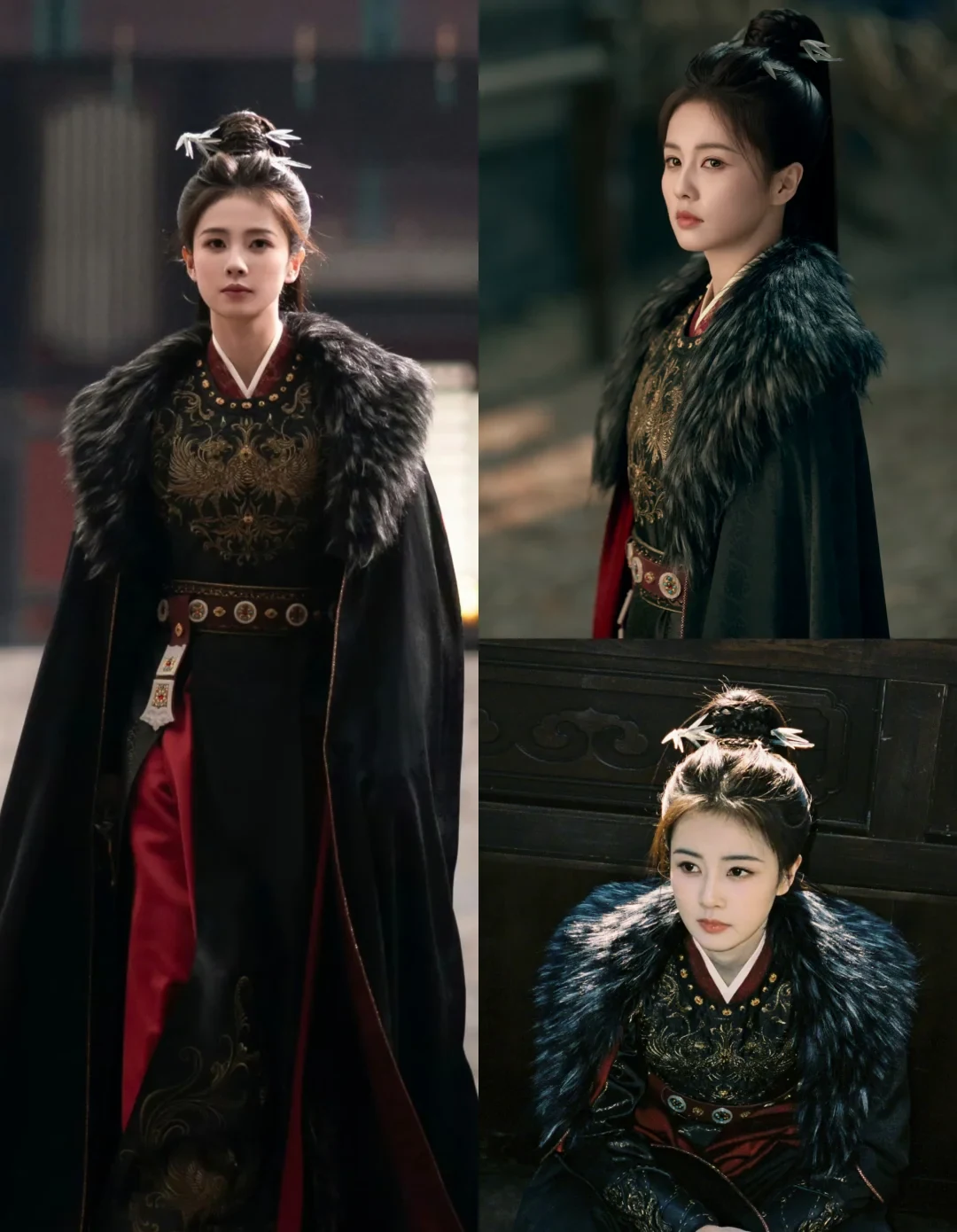
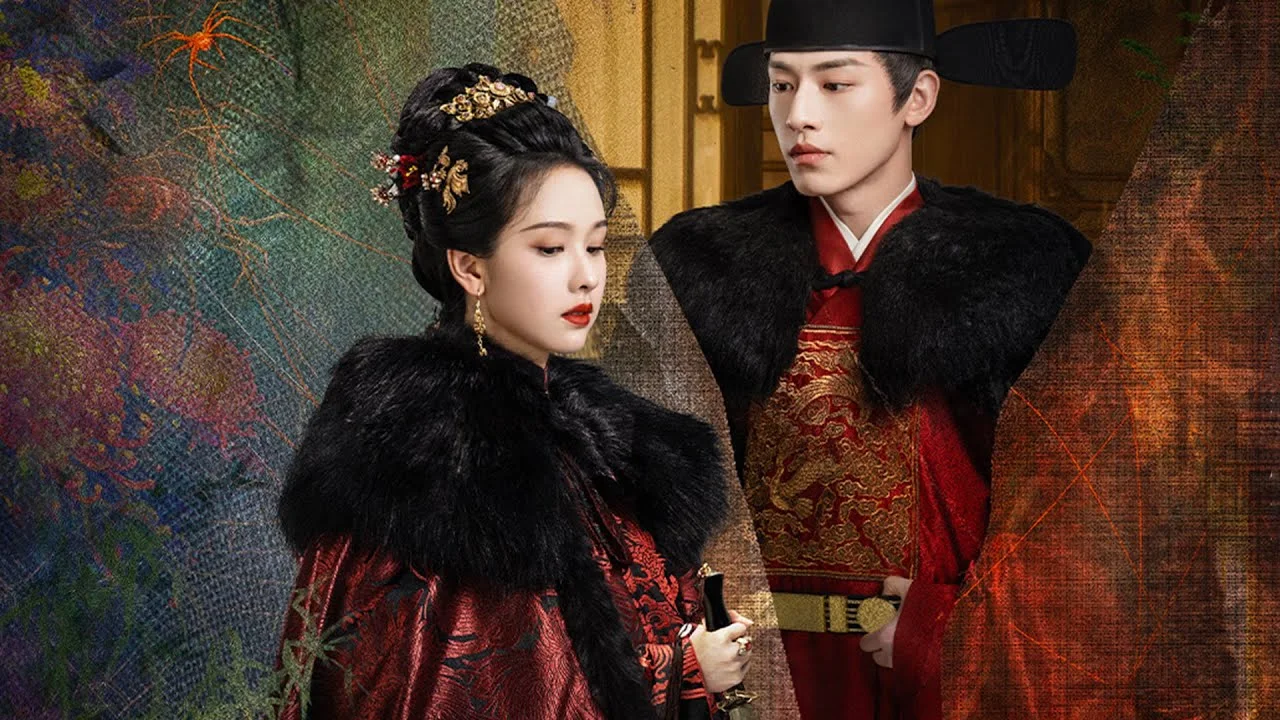
The black fur, embroidered chest and rigid belt give Li Peiyi authority before she speaks. That is useful production design, but it creates a trap for the actor: costume can do the intimidation while the face merely stays composed. My test is harsher. When Li Peiyi receives a detail that damages her first theory, can we see attention relocate before dialogue explains the deduction? When rank blocks a direct accusation, does Bai Lu alter tempo, distance or politeness? A detective becomes interesting at the moment certainty has to be rebuilt, not when the soundtrack announces that she is clever.
This role could join Jiang Xuening as another strategist, or it could expose the difference between remembered leverage and evidence-based revision. I want the second outcome. Jiang Xuening often acts because she knows a possible future; Li Peiyi must earn the next move from an incomplete present. If Bai Lu makes those two kinds of intelligence feel different, the 2026 role expands her range. If the same cool stare solves both, beautiful styling will have hidden a missed opportunity.
Forever and Ever asks whether recognition can stay quiet
Watching Forever and Ever after One and Only is useful because the pairing carries emotional memory for the audience while the modern characters cannot simply perform the historical tragedy again. Bai Lu has to make familiarity legible without turning every look into an announcement that viewers already know the connection.
The role is deliberately calmer, and calmness creates its own danger: softness can become a blank romantic atmosphere. I watch whether Shi Yi makes small preferences visible, protects a boundary and changes the pace of a conversation when trust increases. If the character only receives devotion, the continuity is sentimental packaging. If she chooses how intimacy enters an ordinary day, the quiet has agency. This is a narrower performance than Xie Xiang or Jiang Xuening, but it proves that Bai Lu's work does not require a breakdown in every episode.
Chemistry is not a substitute for character logic
“Chemistry” often means viewers enjoy watching two attractive performers share a frame. That pleasure is real but analytically thin.
A better test asks:
- What does Bai Lu's character want before the other person enters?
- What information does the other performer change?
- Which tactic becomes impossible?
- Does the response reveal a specific history or merely extend romantic tension?
This keeps co-stars inside the analysis without making a woman's performance dependent on who viewers ship her with.
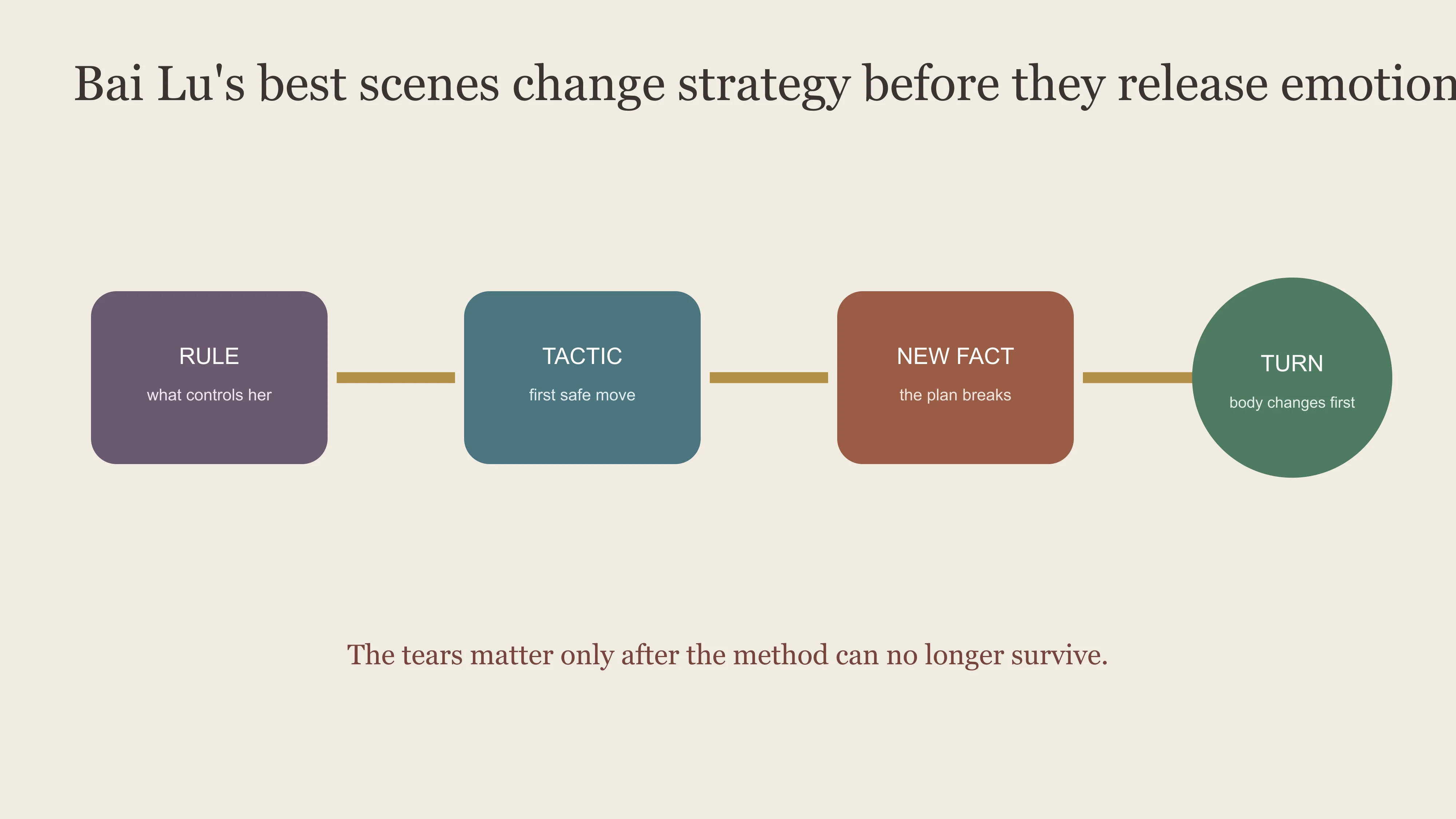
Tears are evidence only after the method changes
Bai Lu can release emotion with force. That strength has also become the easiest way to market and praise her. I refuse to treat crying as a self-validating achievement. A scene earns the release when the character has tried another method, learned something she cannot comfortably absorb and emerges unable to operate exactly as before.
The weak version is intensity without revision: the face, breath and music tell us the feeling is large, but the next scene restores the same tactic. The strong version makes grief reorganize attention. Cui Shiyi becomes more exact about what cannot be said. Jiang Xuening changes the risk she is willing to impose on other people. Xia Jie stops confusing resistance with independence.
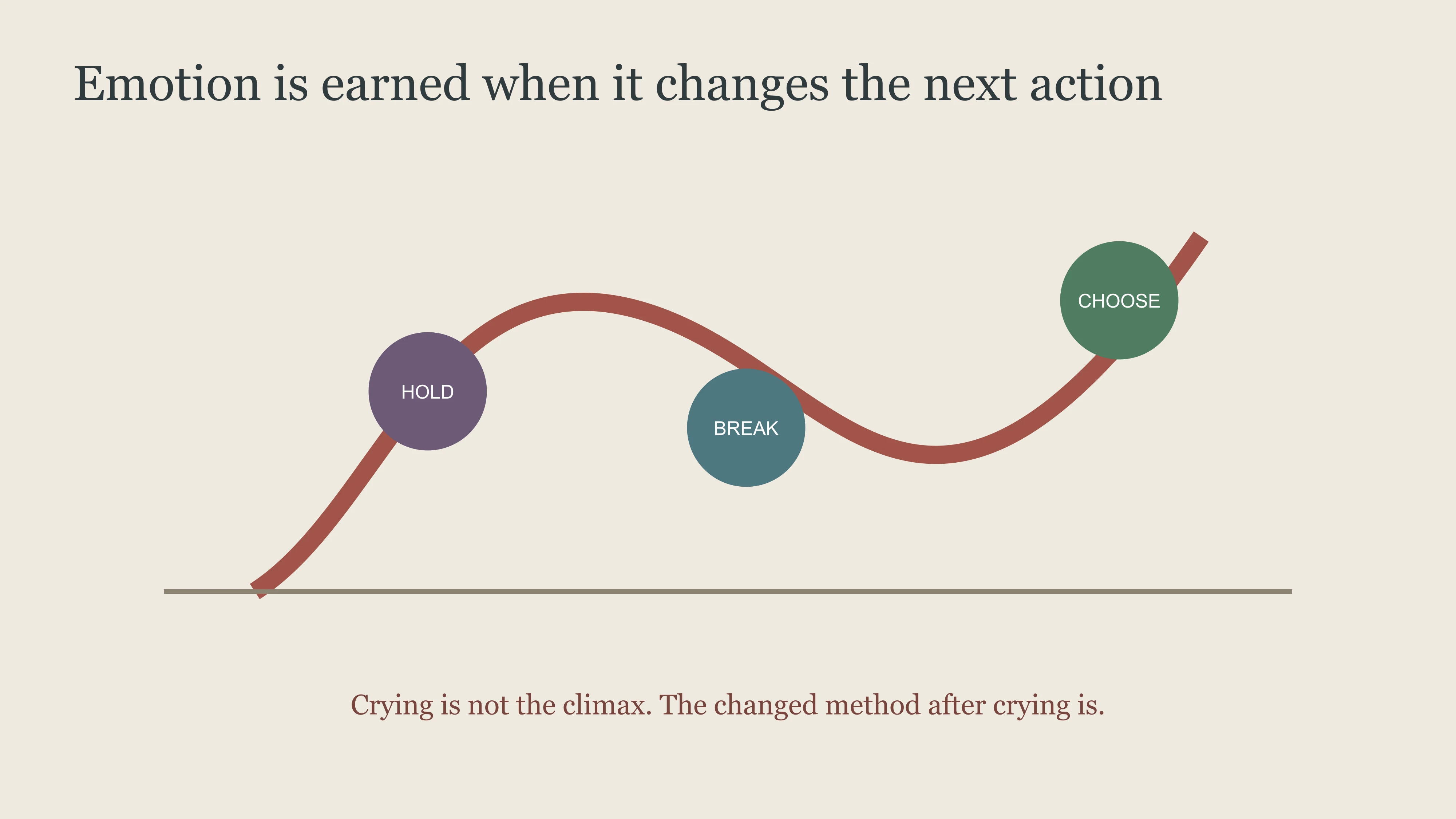
This is why audience disagreement over an emotional performance can be useful. One viewer responds to the release; another feels pushed. Instead of voting on sincerity, return to the scene before and after it. If behavior changes, the emotion has dramatic consequence. If nothing changes, volume has occupied the space where writing and acting needed to produce a decision.
How to watch a Bai Lu scene
- Name the rule controlling the character.
- Identify her first tactic.
- Find the new information.
- Watch the adjustment in body, voice or timing.
- Decide whether the scene earned its emotional release.
Use this on one scene from each of the three main dramas. The method turns a fan impression into a claim other viewers can test.
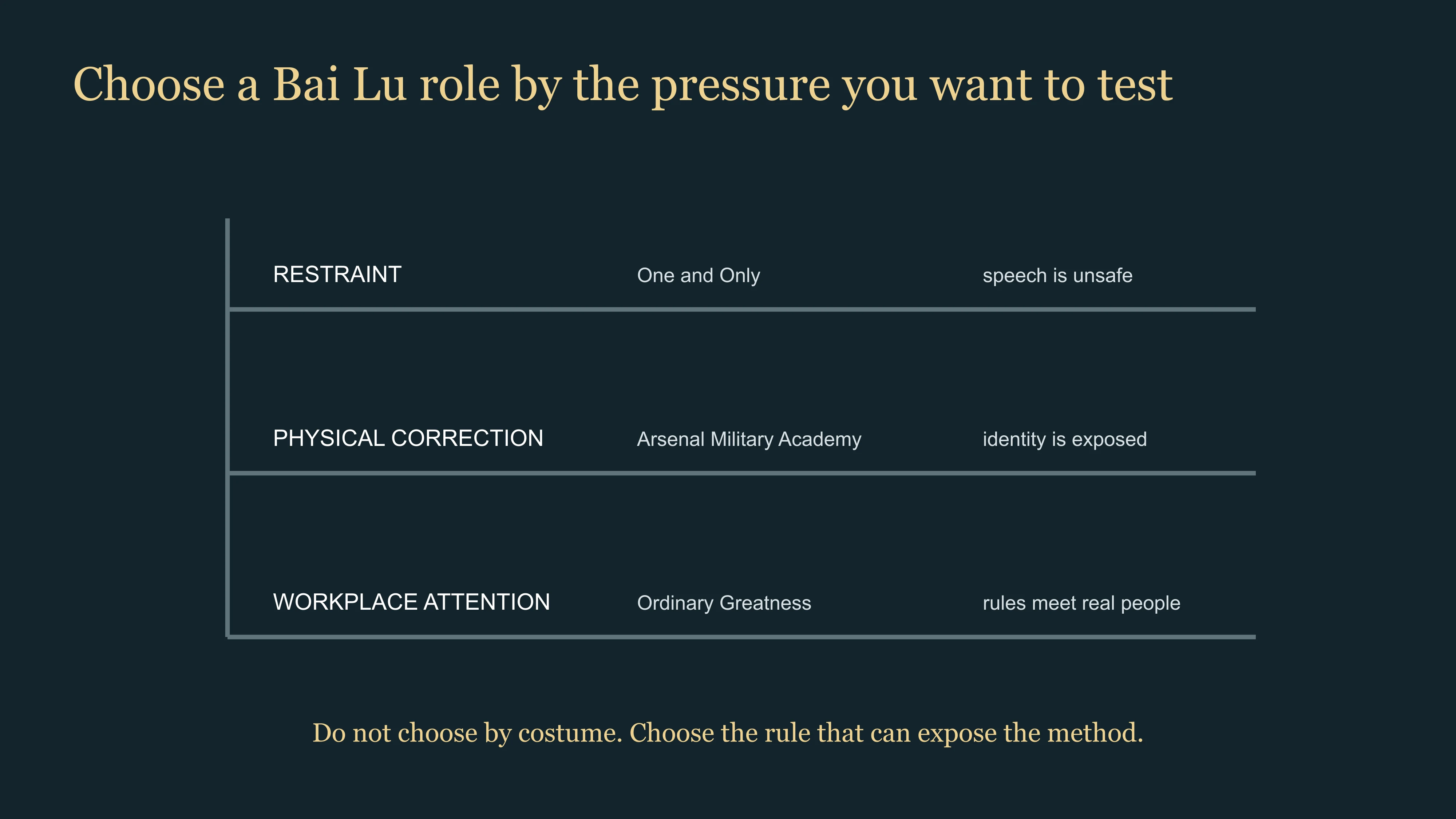
My order is deliberate. One and Only establishes restraint. Arsenal Military Academy proves her body can carry comic risk. Story of Kunning Palace tests anticipatory strategy. Ordinary Greatness then removes historical spectacle and asks whether attention itself can hold a scene. Only after those four would I use Till the End of the Moon to judge identity shifts under fantasy scale.
Final verdict
Bai Lu's best work is not defined by how intensely a character suffers. It is defined by how quickly suffering changes the character's way of operating.
Start with One and Only for constrained feeling, then Arsenal Military Academy for physical problem-solving, then Story of Kunning Palace for strategic revision. For contemporary ensemble pressure, continue to Ordinary Greatness and compare her response rhythm with Zhang Ruoyun. Then use the Chinese actors collection and Chinese TV guide to move outward.
In the comments, bring one scene and identify the exact turn. The community can compare what changed before deciding whether the tears were earned.