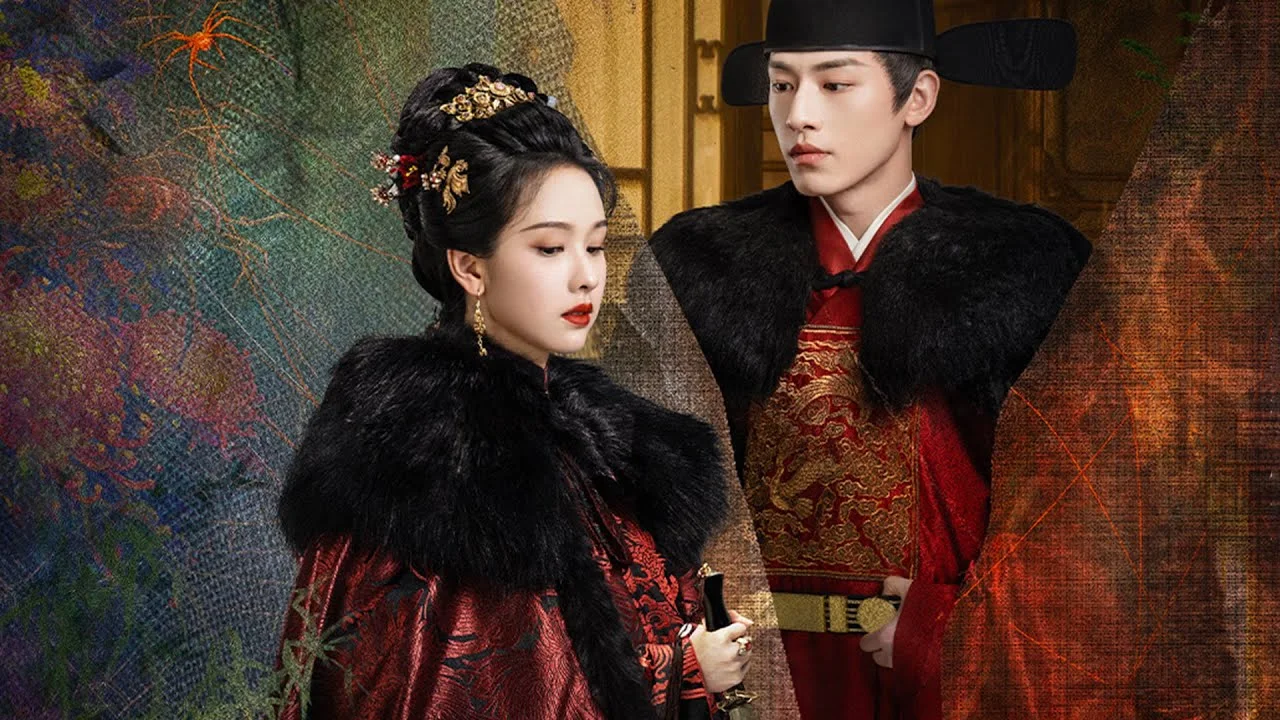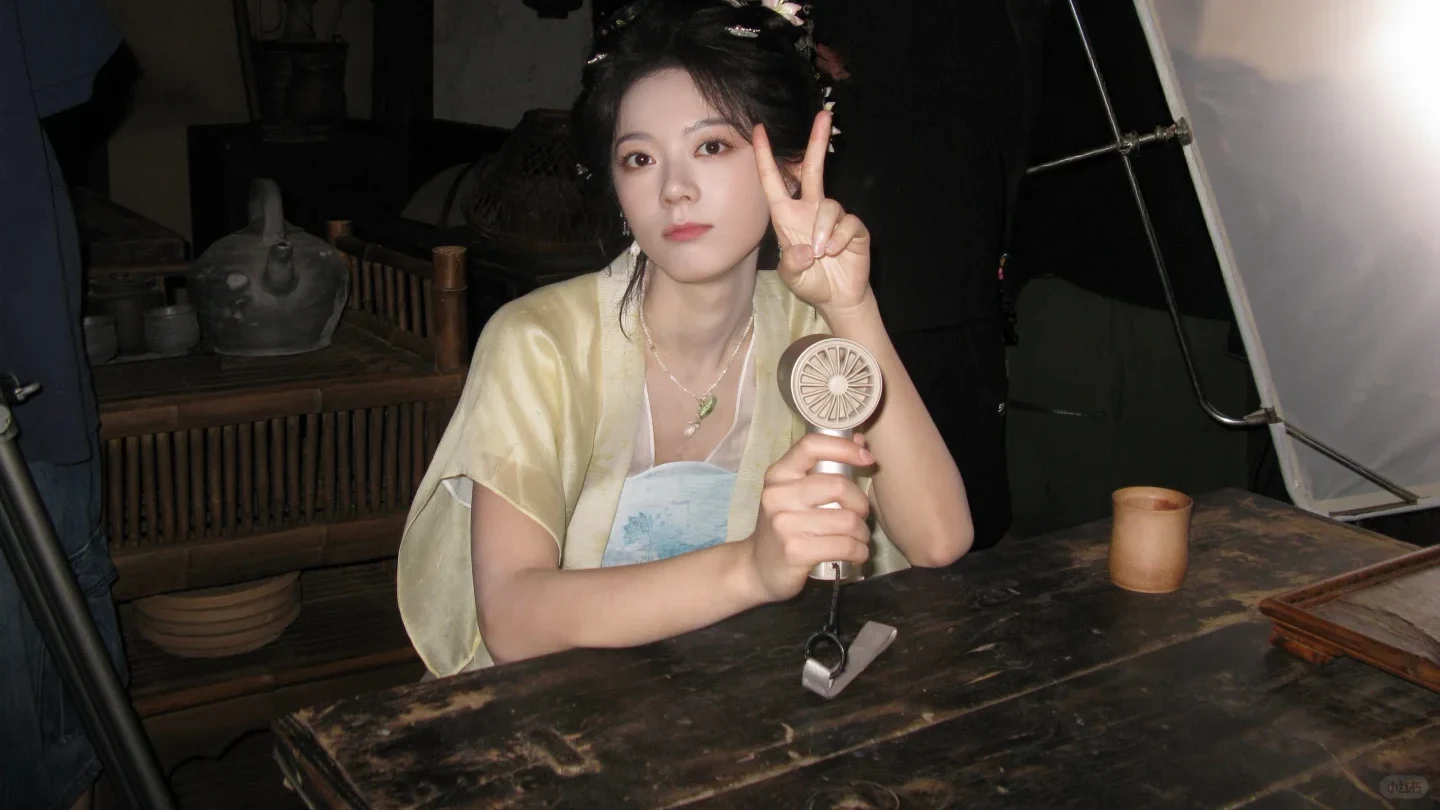
Zhao Jinmai is most compelling when a character's youth does not cancel her ability to notice danger, read a pattern and make a costly decision. Her screen identity is not “a cute young actress.” It is the visible work of a person learning what to do with information before the adults around her are ready to act.
Zhao Jinmai: where should you start?
Start with Reset (开端). It is the cleanest test of Zhao Jinmai's method because the story repeats the same crisis while changing what the characters know. She cannot rely on a single tearful speech or a charming first impression. Each return to the bus asks her to observe faster, trust more carefully and decide whether another person is worth bringing into the danger.
After Reset, watch A Little Thing Called First Love to see the opposite pressure: a character whose change is gradual, social and self-directed rather than compressed into a thriller. That pairing is more useful than a long list of credits. It shows both the raw material of her youthful image and the agency that makes the image worth questioning.
| Start here | What it tests | Why I would choose it |
|---|---|---|
| Reset | Repetition, panic and active observation | Her strongest performance test; thinking becomes visible action |
| A Little Thing Called First Love | Social confidence and gradual change | Shows how a familiar youth-drama surface can acquire a private engine |
| Other verified roles | Range outside the two entry points | Use official cast pages before building a complete watchlist |
Zhao Jinmai's strongest route begins with attention, not fame. Follow the Chinese television guide when you need the surrounding thriller and youth-drama landscape; use the Chinese actors collection to compare generations. Here the decisive question is smaller and more physical: which glance, pause or changed action shows that she has understood the danger before everyone else?
Zhao Jinmai makes observation dramatic
The official international Reset title page identifies Zhao Jinmai as Li Shiqing. The clock image turns the role's real difficulty into a visual fact: the crisis appears unchanged, so Zhao has to make new information readable through her eyes, breathing and next decision rather than through a new setting.
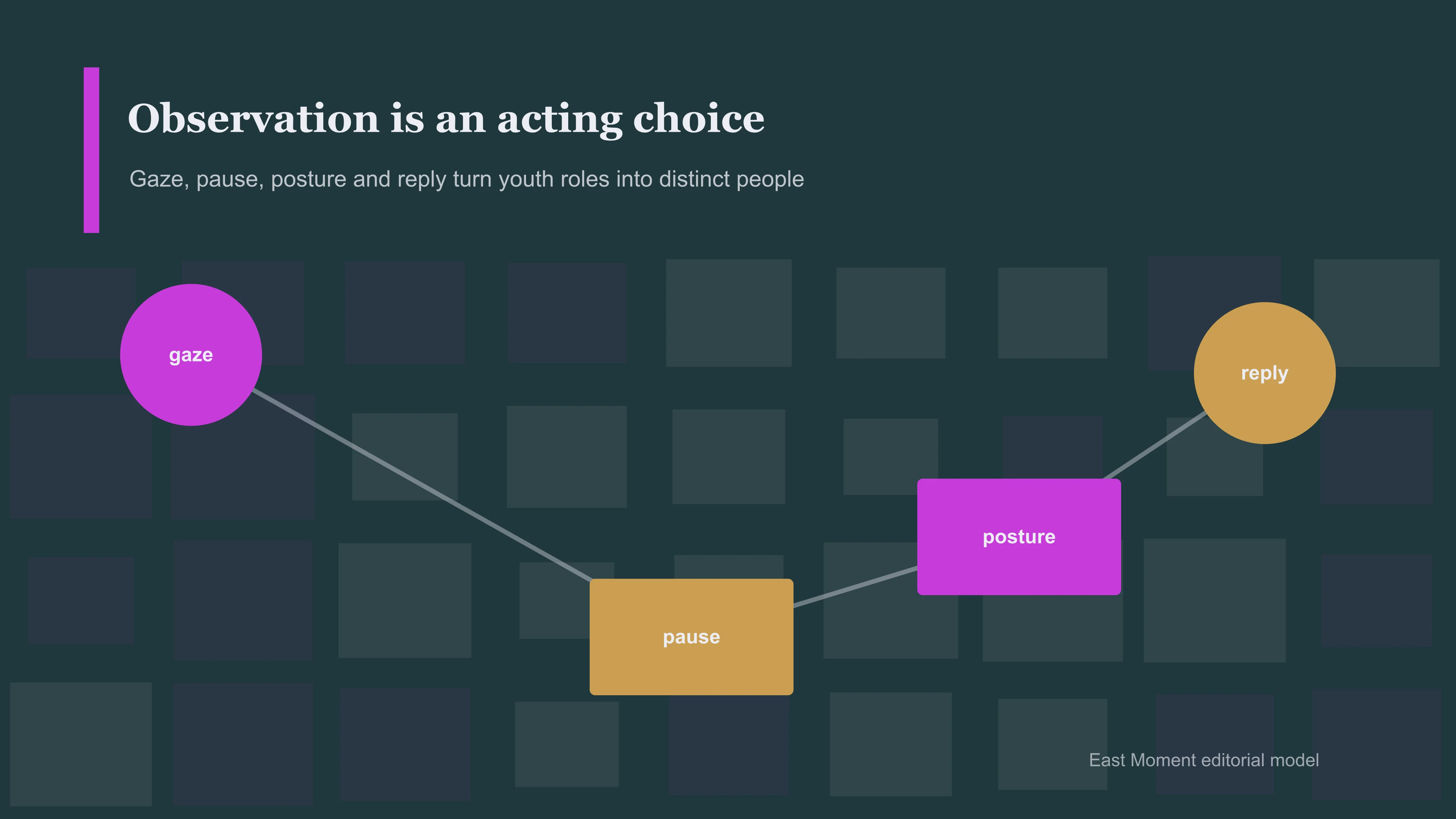
The premise of Reset is repetition, but repetition alone does not create suspense. The suspense comes from altered attention. A passenger's reaction, a phone call, a missing detail in a story or the timing of a glance can become newly important when the characters return to the same moment.
Zhao Jinmai's work is strongest when she lets that attention register before she explains it. Her character does not instantly become fearless. Fear stays in the breath, the speed of a question and the hesitation before involving someone else. What changes is the next action. She asks a sharper question. She tests a stranger's story. She chooses to speak when staying quiet would be safer.
That is why Reset is the right first stop for an overseas viewer. Subtitles can translate the information, but they cannot fully translate the social risk of interrupting an older stranger, accusing somebody without proof or asking for cooperation in a crowded public space. Zhao Jinmai makes those calculations readable through timing and posture, not exposition.
Do not treat the drama as evidence of real emergency procedure. It is a constructed thriller. What it demonstrates is an acting problem: how to show a mind updating its model of a crisis without repeating the same emotional performance.
Youth is not the same as innocence
International search pages often reduce Zhao Jinmai to age and appearance. That framing misses the useful tension in her roles. A young face can make other characters underestimate someone; it can also make the audience expect passivity. Her best scenes use that expectation as dramatic friction.
In Reset, the character's youth increases the cost of being believed. She has to make an argument while frightened people are protecting their own version of events. In A Little Thing Called First Love, the cost is quieter: the character has to decide whether change is something that happens to her or something she can practice through small, embarrassing choices.
My distinction is simple. Innocence is a position other people assign. Youth is a condition. Agency is what the character does with the gap between them. Zhao Jinmai becomes interesting when the gap remains visible and she acts anyway.
This also corrects a common translation problem. “Sweet” or “pure” may describe styling or first impression, but neither word tells us who is allowed to speak, who has to wait and what a refusal costs. The social temperature is in the pause before the answer and in what follows it.
A billiards room reveals a different Zhao Jinmai
Amidst a Snowstorm of Love removes the exploding bus and replaces it with a quieter discipline: training, competition, attraction and the concentration of a billiards room. That change matters because danger can make agency obvious; ordinary desire is harder. A young woman still needs a schedule, a professional identity and a future that does not dissolve when romance enters the frame.
The station image catches a useful contrast with Reset. Public transport is no longer a trap to decode; it is a place where two lives briefly align. Zhao Jinmai's task shifts from persuading frightened strangers to making curiosity, caution and attraction coexist without turning the character passive.
This is the career direction that interests me most. Her youth gives a production instant vulnerability, but her real strength is procedural intelligence: she makes noticing look like action. The next step is to carry that intelligence into roles where the threat is not external and the right decision remains emotionally ambiguous.
The full Amidst a Snowstorm of Love guide owns the station, billiards and ending images because those frames prove the drama's romantic and professional space. Repeating them here would reduce Zhao Jinmai to one attractive work. Her actor page has a different obligation: show how the same alertness survives a change of genre, clothing, age and power.
Growing up on screen made “young actress” an inadequate label
Zhao Jinmai did not arrive fully formed in Reset. Her earlier screen history matters because it lets us watch an actor cross the boundary between being directed as a child and carrying a story as an adult. Growing Pain uses family noise, school competition and adolescent defensiveness. The Wandering Earth places youth inside a collective survival spectacle. A Little Thing Called First Love gives change the small scale of self-conscious practice. These roles do not prove equal range, but together they make the later composure legible.
That transition is harder than changing costumes. A former child actor is often asked to prove adulthood through romance, darker makeup or a title that grants authority. None of those choices guarantees that the character controls the scene. I look for a more stubborn change: does another adult have to revise a plan because she has spoken, noticed or refused? If the answer is no, the production has aged the image while keeping the performer narratively young.
Zhao Jinmai's advantage is that thought already looks active on her face. Her danger is that directors may photograph the alertness beautifully and never let it alter the room. The next stage of the career depends on consequences, not styling.

I keep returning to the fish lantern photograph because it contains both sides of her screen identity. The costume and long hair produce classical polish; the handmade fish is slightly comic, almost childlike. Zhao Jinmai looks upward rather than presenting herself solemnly to the camera. That tension—authority interrupted by curiosity—is more revealing than a generic red-carpet portrait.
The image does not prove what she is like in private. It proves a visual possibility the casting industry can use: she can occupy historical styling without losing the alert modern intelligence that made Li Shiqing persuasive. The danger is that costume drama turns this into decorative “youthful wisdom.” The opportunity is to give her a character whose intelligence changes other people's options.
The Princess Royal tests authority instead of danger
The Princess Royal moves the problem from survival to negotiation. A princess cannot simply be “believed”; her words already carry institutional force. The acting question becomes what she does with that force inside a marriage and a court where every intimate gesture may also be strategy.
That is a valuable next step after Reset. Li Shiqing has information but lacks status. A royal woman has status but cannot trust the information around her. One must persuade adults to act; the other must decide which adult action is a trap. Zhao Jinmai's stillness reads differently under those conditions. In a bus it can be fear becoming calculation. In court it can be calculation withholding its price.

The lotus portrait is beautiful, but beauty is the least interesting evidence in it. Her body is at rest while the face turns upward, keeping the frame from becoming a sealed costume display. I want costume dramas to use that upward attention as thought: who entered the space, what changed in the hierarchy, and what will the character do before anybody explains the scene for her?
Five genres, one changing form of agency
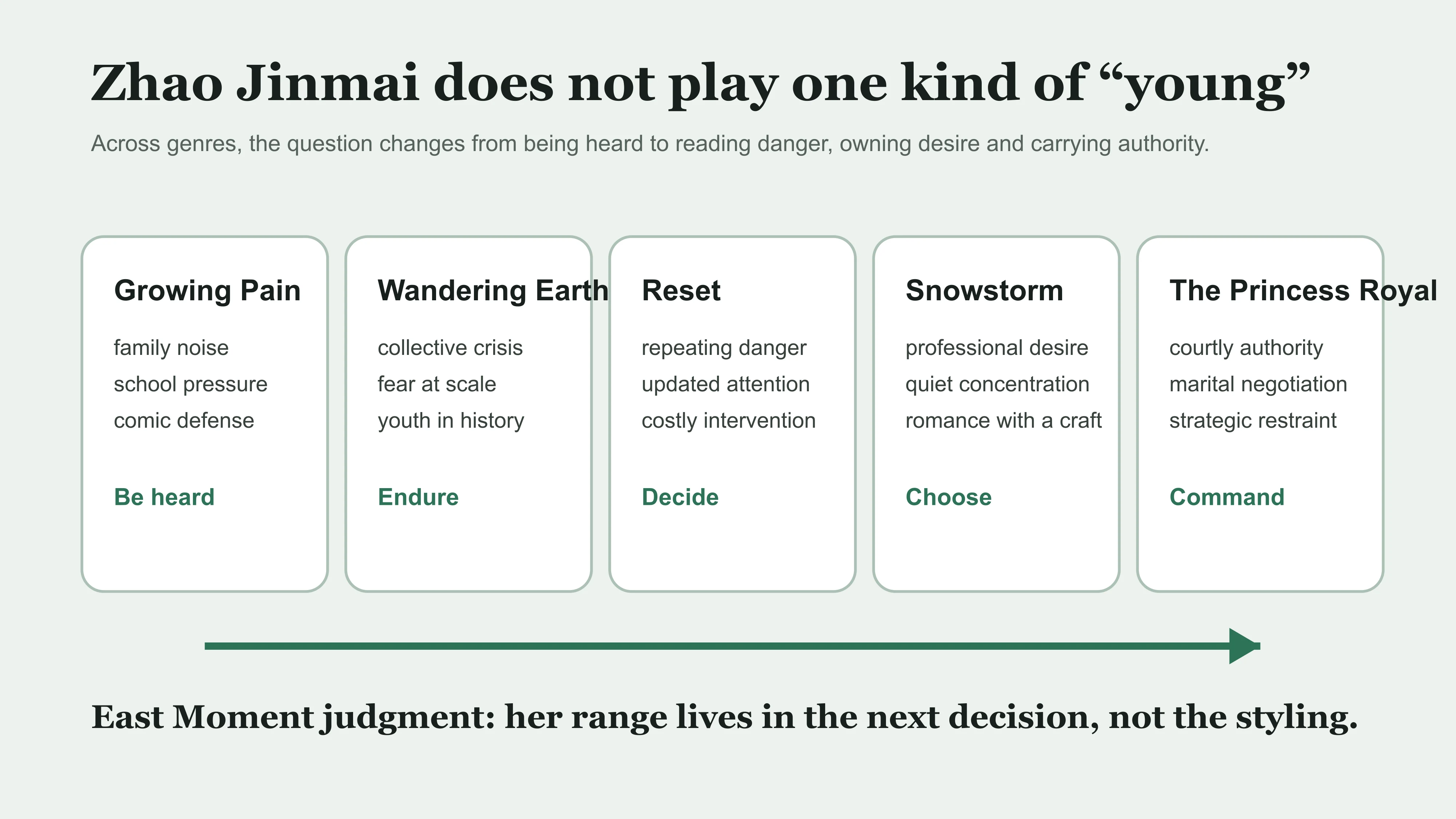
The career map makes my argument visible. In Growing Pain, agency begins as the right to be heard inside family and school. In The Wandering Earth, youth has to endure a catastrophe larger than individual preference. In Reset, observation becomes intervention. In Amidst a Snowstorm of Love, professional attention must remain intact inside desire. In The Princess Royal, authority is no longer something to request; it is something to use without becoming a symbol in somebody else's plan.
That progression is why I reject the easy phrase “she has grown up.” Everybody grows older. The artistic question is whether a performer gains new verbs. Zhao Jinmai's useful verbs have expanded: notice, test, interrupt, choose, negotiate, command. Styling can announce adulthood in one poster. Only a sequence of decisions can make it credible.
Where to go next
Use Bai Jingting's actor guide for a useful comparison: both performers work with restraint, but Bai Jingting's strongest scenes often show an adult revising public behavior, while Zhao Jinmai's show a young person earning the right to be heard. The contrast is more revealing than a generic “chemistry” label.
For a later working-adult romance comparison, continue to the Song Weilong profile. The useful question is not whether their Shine on Me pairing looks warm in campaign art, but whether both characters keep work, error and decision-making power once romance begins.
If Reset makes you want the full drama context, follow the Chinese television guide and the future Reset series page when it is available. For the current reunion-drama cluster, the The First Frost guide gives you a different argument about memory, boundaries and present-tense agency.
Final judgment: watch for the decision behind the fear
Zhao Jinmai deserves attention because she makes an important screen transition legible: a character can look young, be frightened and still be the person who notices what everyone else has missed. Her best work does not erase vulnerability. It gives vulnerability a next move.
Start with Reset. Watch the changes between loops rather than waiting for a big declaration. Then use A Little Thing Called First Love to see whether the same performer can make gradual self-direction feel as specific as emergency action. That is the beginning of a serious judgment, not a fan ranking.
In the comments, name the moment when Zhao Jinmai's character stops merely reacting and acts on a pattern she has recognized. Then join the East Moment community to compare performances through exact scenes, timing and consequences rather than popularity slogans.