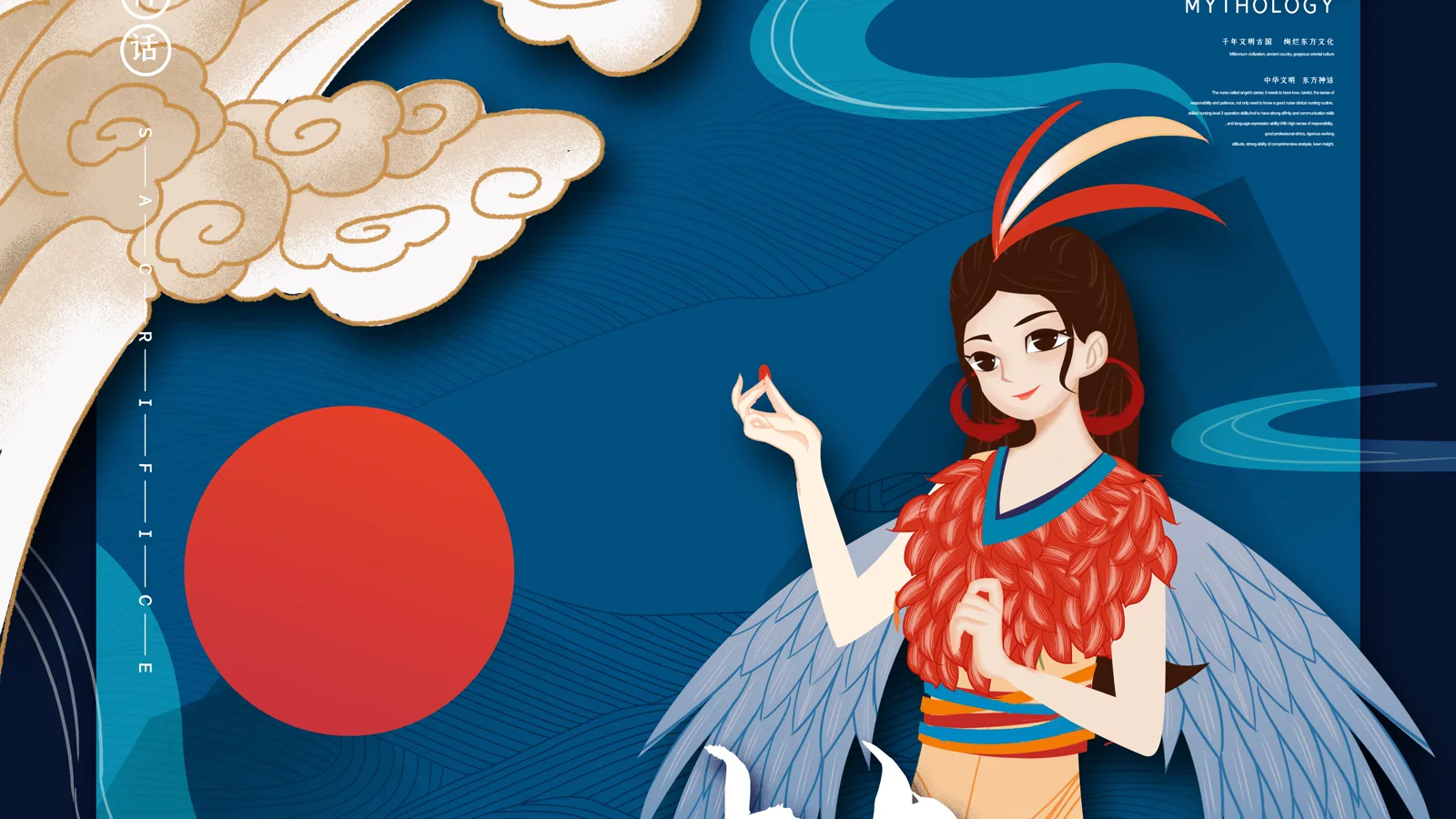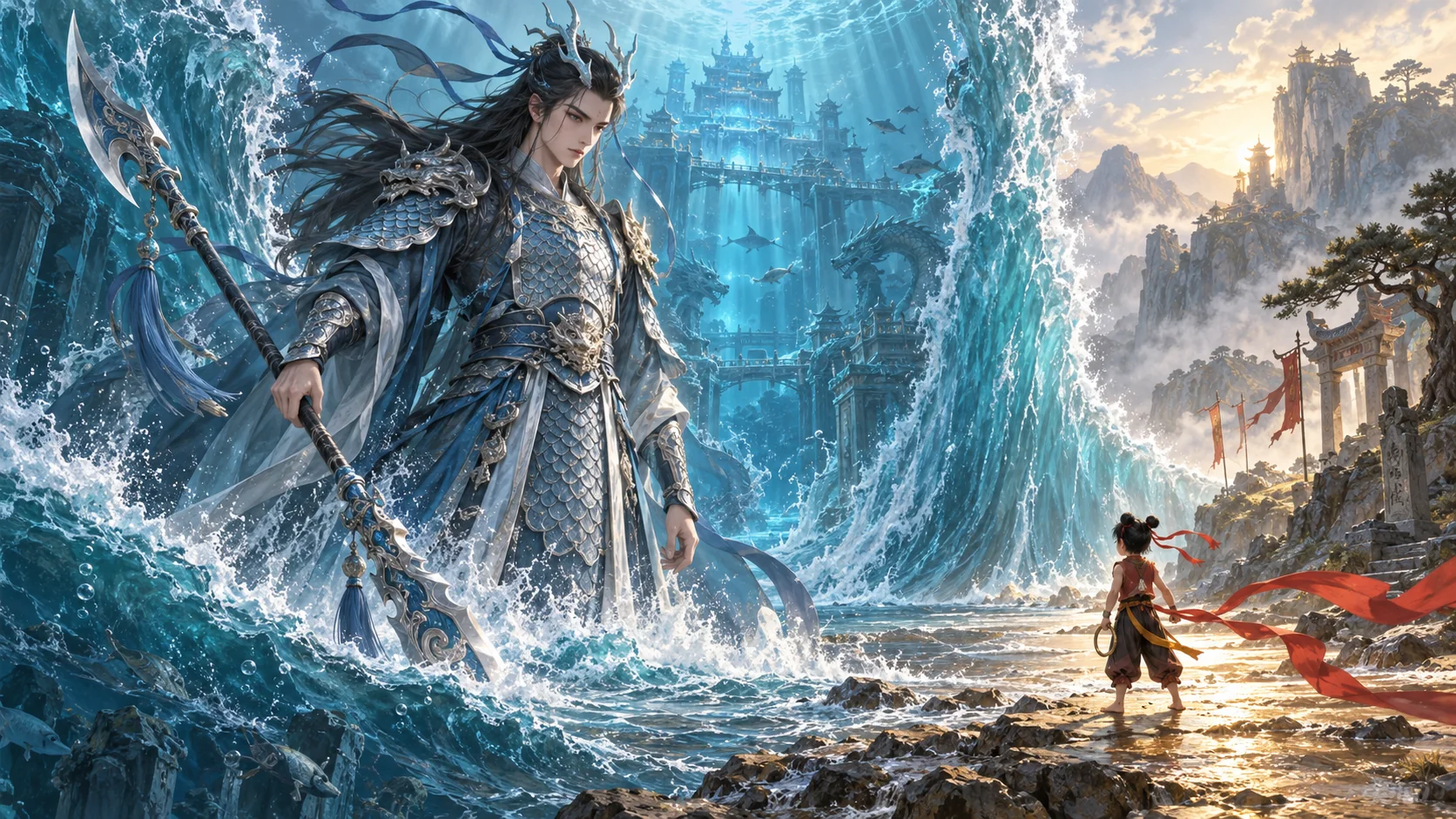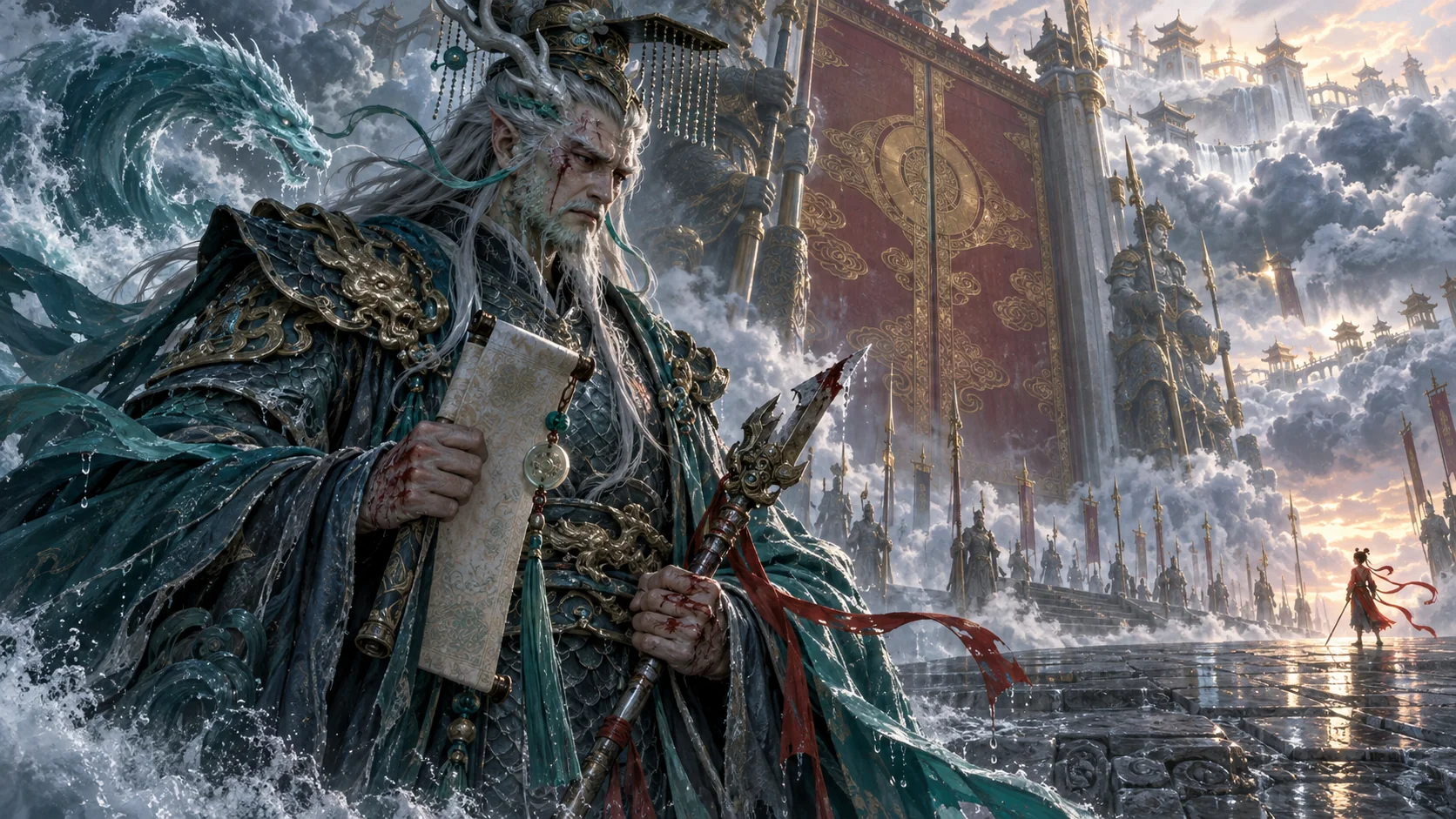
Chinese mythology creatures are not a stable bestiary divided into good pets and evil bosses. A dragon on a third-century BCE jade ring, a dragon controlling rain in a story and a dragon printed on a modern jacket are related without being interchangeable. The reliable method is visual and historical: read the body, locate the object or text, then ask what the creature is doing there.
Chinese mythology creatures: a five-step field method
When you meet an unfamiliar being, do this before searching its “power level”:
- Name the source. Classic of Mountains and Seas, bronze vessel, tomb painting, temple, novel, opera, game or social illustration?
- Describe the body. Horns, scales, hooves, wings, tails, eyes, mouths and composite parts.
- Describe the action. Appearing as an omen, guarding, consuming, transforming, carrying, governing weather or merely decorating an object?
- Date the representation. A 19th-century print cannot illustrate a Bronze Age form without explanation.
- Separate label from certainty. Museum records sometimes use “mythical animal” because a more exact identification is not secure.
This method may sound cautious. It creates a much more vivid creature than the generic caption “ancient Chinese beast.”
I understand the appetite for a high-resolution creature atlas, drawing references and a complete list. But “108 beasts” is usually a modern collection device, not a canonical total supplied by the Shanhaijing. I would rather give you a smaller field guide whose names, bodies and sources can actually be checked.
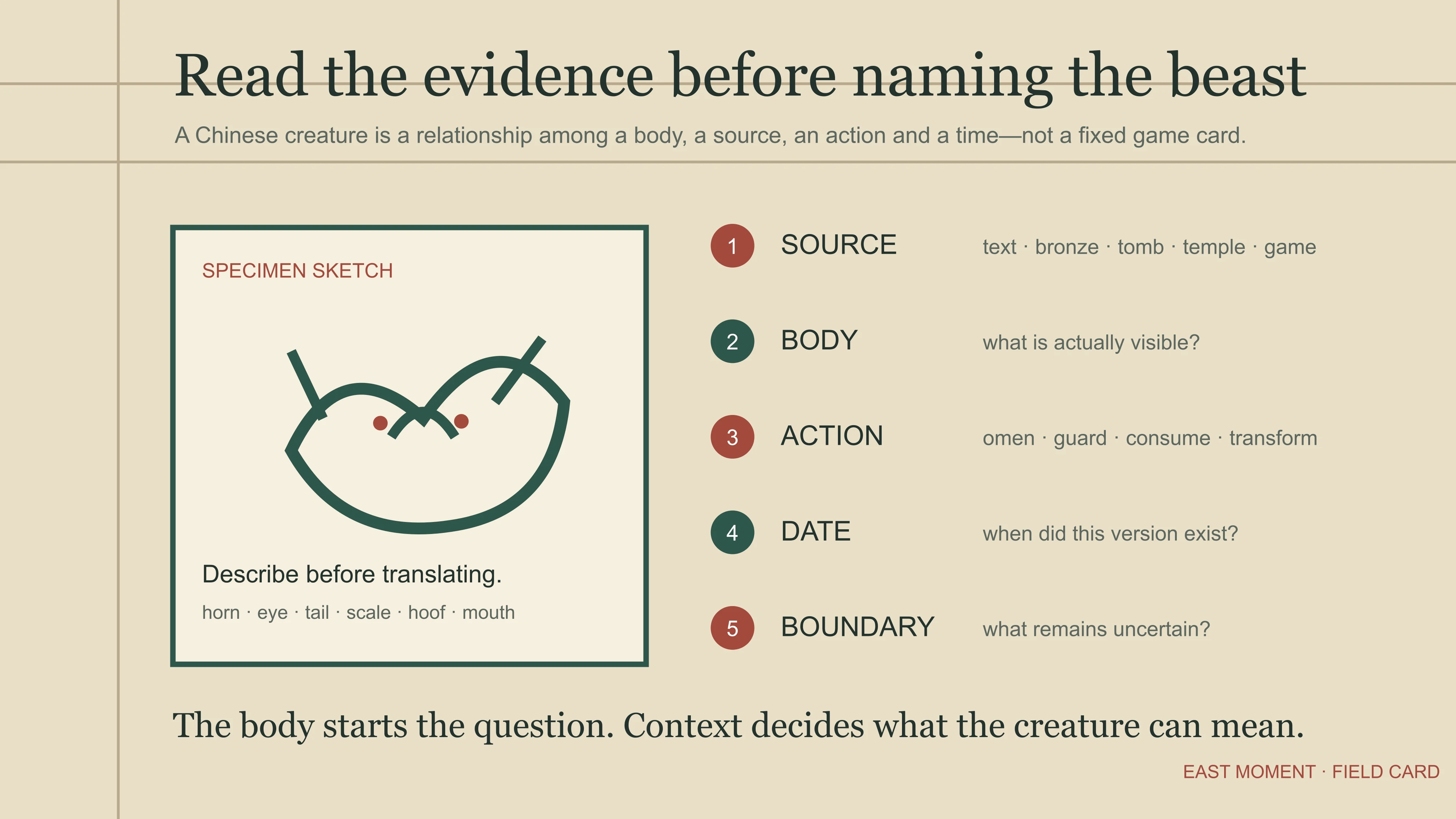
The body starts the question. The source, action, date and uncertainty decide what the creature can honestly mean.
This is not academic fussiness. It is the difference between seeing and merely recognizing a label. A modern illustrator can give a fox nine tails and still invent every other feature. A museum can securely date a bronze vessel while leaving the ancient name of its mask uncertain. A game can preserve a creature's appetite but change its body to improve combat readability. Each version becomes more interesting when we stop demanding that it impersonate the others.
Dragon: the body refuses one animal
The Chinese dragon, long (龙 / 龍), is a composite, transforming being associated across different contexts with water, rain, authority, direction, ancestry and auspicious power.
That sentence should not become a checklist pasted under every dragon image.
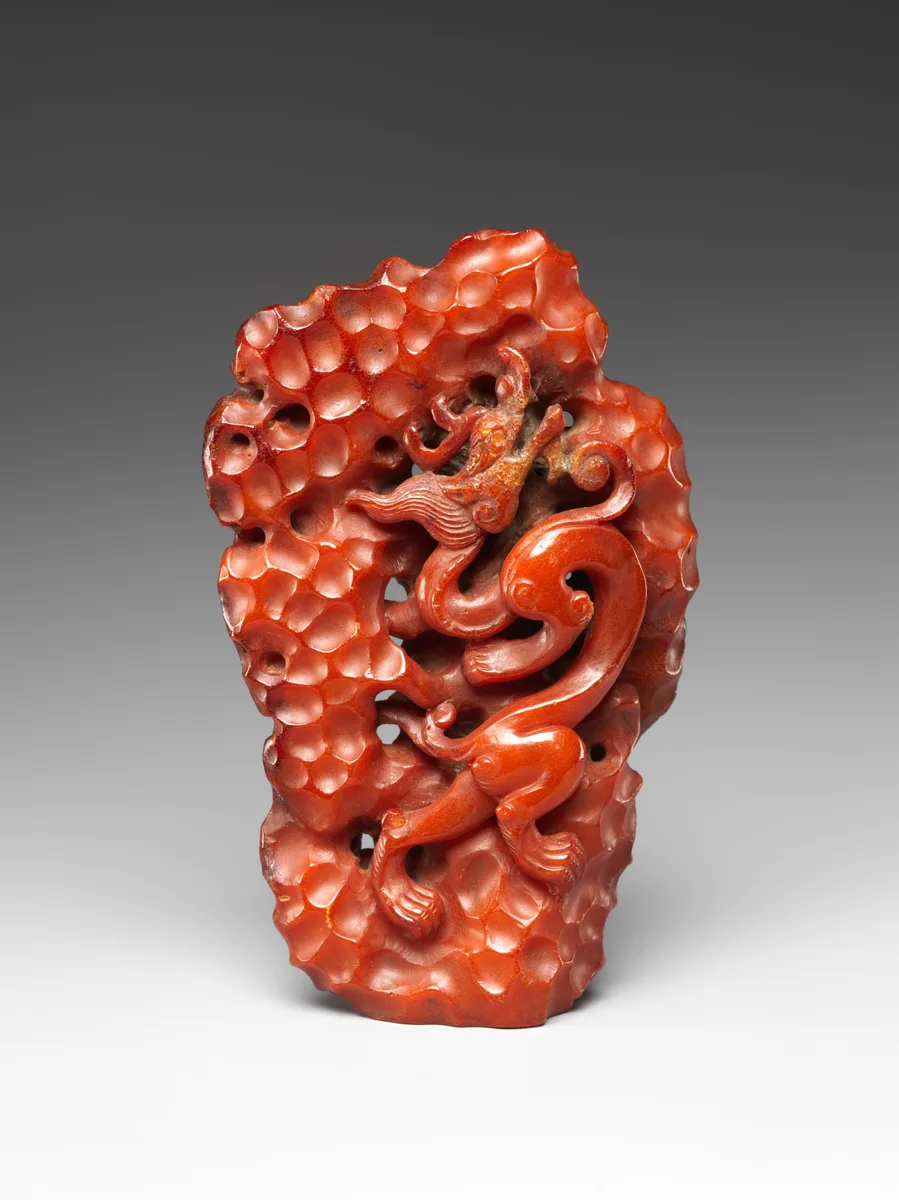
The Met identifies this 14th-century carving as “Dragon climbing a rock.” Its body emerges through the perforated stone rather than sitting on top of it. That fusion of animal, cloudlike curve and material landscape shows why a Chinese dragon cannot be reduced to the long parade body familiar from festivals.
Earlier jade dragons may compress the body into a curve or ring.

The ring makes transformation material: animal and ornament become one continuous loop. It proves a dated jade form, not one universal origin for every dragon.
Western descriptions often introduce the Chinese dragon as “good, unlike the evil Western dragon.” That contrast is too clean. Chinese dragons can bless, intimidate, govern, flood, protect or signal authority. Western dragon traditions are also not one personality.
Use the object, action and story. Moral nationality is not a taxonomy.
Fenghuang: stop calling it a phoenix with Chinese styling
Fenghuang is routinely translated as “Chinese phoenix.” The shortcut helps recognition and then causes damage.
The fenghuang is not defined by dying in fire and rising from ashes. Its history involves composite bird imagery, rulership, harmony, auspicious order and changing gender associations. Translation should open the door, not replace the creature.

The Met titles this 19th- or 20th-century Chinese print “Phoenix.” Its long tail and patterned plumage belong to a specific printed image, not every historical fenghuang.
If a fantasy game gives the bird resurrection powers, that is a design decision. It may be beautiful. It should not silently become ancient Chinese zoology.
Qilin: gentleness with an intimidating silhouette
The qilin combines features that modern eyes may read as deer, hooves, scales, horns or dragon-like energy. It is associated in many later traditions with auspicious arrival, sage rulership, exceptional birth and restrained force.

The object record identifies the qilin. The jar shows the creature inside a decorative narrative field; it cannot tell us that every qilin had this exact body or color.
The most useful tension is visual: the qilin can look powerful enough to destroy and still signify the refusal to harm.
Modern lists often translate it as “Chinese unicorn.” Again, useful doorway, bad destination. A horn does not make two creature traditions identical.
Taotie: a face before it was a monster profile
The taotie is one of the best examples of a later name becoming more certain than an ancient object.
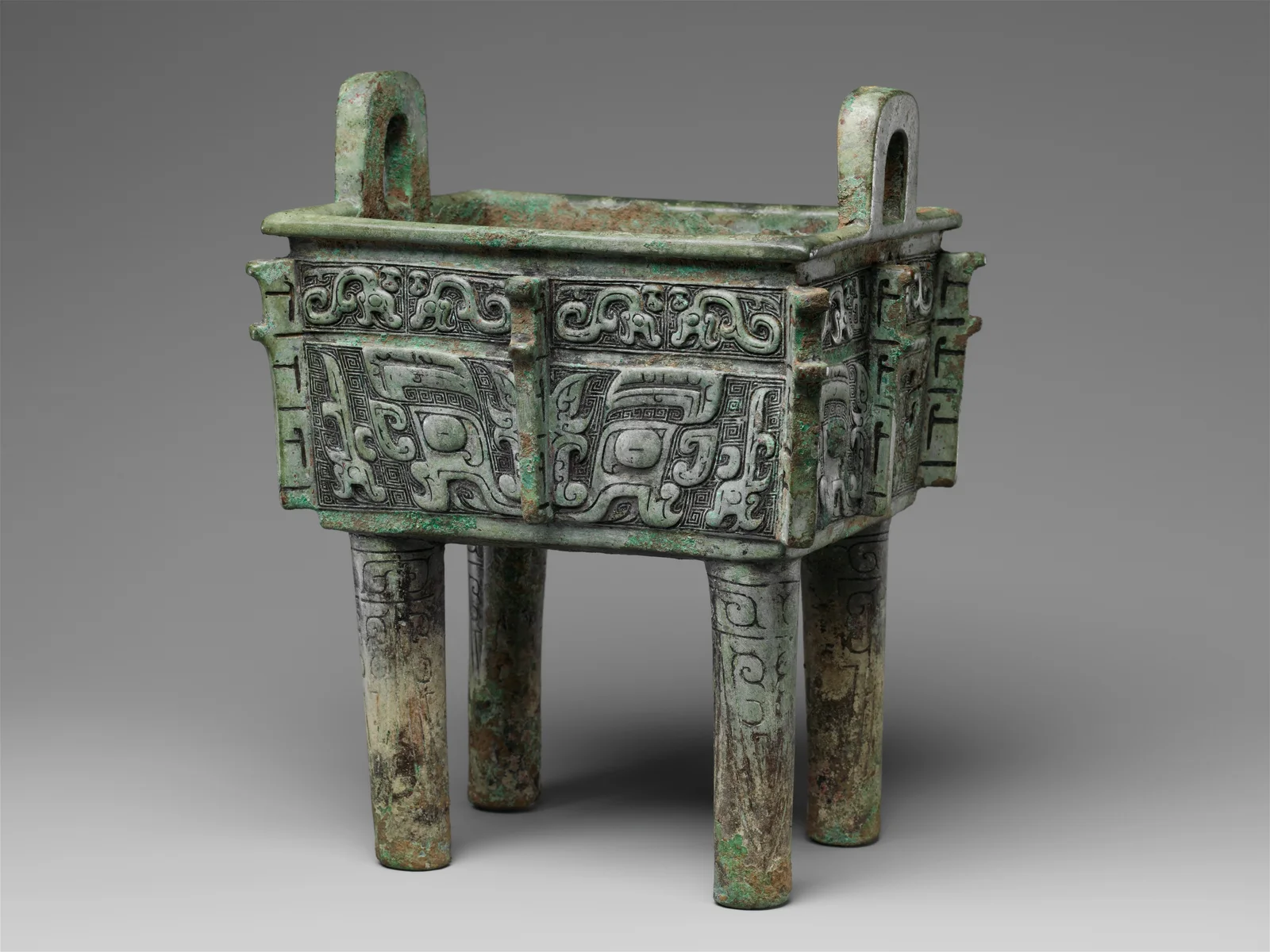
Bronze ritual vessels from the Shang and Zhou worlds often carry large symmetrical animal-mask motifs with staring eyes, horns or brows and divided bodies. Later texts connect the name taotie with destructive appetite or gluttony. Modern culture merges motif and monster easily.
Look before naming: eyes dominate, bodies divide around the vessel's center, and the face belongs to the bronze surface. The Met record securely dates and identifies the object; scholars remain careful about treating the motif as one narrated species.
This is my favorite correction in the whole field guide. The ancient object does not need a wiki biography to be powerful. The face organizes attention, ritual material and fear before we know what story to attach.
Nine-tailed fox: never let the tail count finish the argument
Nine-tailed foxes appear in early textual and visual traditions, including the Classic of Mountains and Seas. Across later stories, fox spirits can become auspicious beings, dangerous transformers, seductive figures, scholars, lovers or survivors.
Modern television often gives “nine-tailed fox” one fixed species package: beautiful immortal, romantic destiny, escalating powers.
That package works for serial drama. It is not a complete historical definition.
The Shanhaijing text is the right starting point because it makes readers confront strange beings inside landscapes, routes, sounds and consequences rather than as isolated character cards.
The Daji section in the Creation of the Gods guide offers one modern adaptation test: the fox body becomes a way to discuss desire and survival, while the film still leaves the woman less fully written than its father-son conflict.
Baize, monsters and the problem with “all creatures” lists
Baize is associated in later tradition with knowledge of supernatural beings and protective knowledge. It is popular in contemporary illustration because an all-knowing creature naturally becomes an encyclopedia mascot.
But Baize, a dragon, a ghost, a demon, a transformed fox, a bronze mask and a divine mount do not occupy one clean biological category.
Use a working set instead:
| Field category | Examples | What the category helps you notice |
|---|---|---|
| Cosmological and weather beings | Dragon | Water, direction, authority, transformation |
| Auspicious composite animals | Fenghuang, qilin | Omen, rulership, moral order |
| Textual strange beings | Many Shanhaijing figures | Landscape, sound, danger, remedy |
| Transforming animals | Fox spirits | Desire, identity, cultivation, suspicion |
| Material motifs | Taotie masks | Ritual object, symmetry, gaze, later naming |
| Knowledge-bearing beings | Baize | Classification, protection, revelation |
This table is a reading tool, not a newly invented ancient taxonomy.
In the Shanhaijing, sound and consequence are part of the body
Modern galleries isolate a creature on a blank background because clean silhouettes are easy to collect. The Classic of Mountains and Seas repeatedly refuses that isolation. A being appears on or near a named mountain, river or region. Its body may be described through familiar animals; its sound may resemble a child, dog or other cry; its appearance may announce flood, drought, war or abundance; eating or encountering it may have a stated consequence.
That structure matters. A four-eared creature is not only a drawing prompt. Its location and omen connect anatomy to landscape. A many-bodied fish is not complete when an artist finishes the fins; the text may also name its sound or effect. The old record behaves less like a monster manual than a field report in which geography, risk, remedy and wonder occupy the same line.
I do not accept the opposite shortcut either—the claim that every strange animal is simply a badly observed real species waiting for modern science to decode it. Some descriptions may preserve encounters, rumor or environmental memory. Others belong to ritual imagination, textual transmission or composite design. Turning all strangeness into zoological error is another way of refusing to read the book on its own terms.
The intelligent move is smaller: quote the passage accurately, locate it inside the text, compare later images, and say exactly where identification stops.
How to tell whether an image is evidence or fantasy
Ask three things:
- Does the caption identify a museum object, textual passage or named modern artwork?
- Does the image show the feature the paragraph discusses?
- Does the article admit what the image cannot prove?
An AI gallery can be visually exciting and still tell us nothing about historical form. A museum photograph can be authoritative and still fail if the writer uses a qilin jar to prove every qilin story.
What a modern adaptation owes the older creature
A modern artist does not owe us archaeological imitation. I want redesign, exaggeration and new personality. What I reject is lazy authority: a studio invents a body, labels it “ancient Chinese,” and lets the adjective perform all the cultural work.
An honest adaptation keeps at least one meaningful relationship visible. A water dragon should make water, weather or transformation matter to the scene, not merely wear scales. A nine-tailed fox should use transformation, desire, suspicion or accumulated cultivation as more than a cosmetic tail counter. A taotie-inspired boss should understand appetite, the mask or the consuming gaze rather than attaching horns to a generic tank.
This standard leaves enormous creative freedom. It simply asks the new design to argue with its inheritance. The result can be dark, comic, romantic or futuristic. It cannot be empty “Chinese style.”
The fastest creature comparison uses two columns
When a film or game introduces a creature, write down only two things. In the first column, record what the older text or dated object securely supplies: body, material, action, location, omen or name. In the second, record what the adaptation adds: personality, moral alignment, combat role, color, speech or relationship.
The gap between those columns is not automatically an error. It is the adaptation's creative decision. You can now judge whether that decision reveals a new possibility or replaces cultural tension with a generic fantasy job. That is a far better conversation than asking whether the creature is “accurate” as if one final model sheet ever existed.
My verdict is that Chinese mythological creatures become more exciting when we stop turning them into standardized collectible cards. Their bodies change because they travel among ritual vessels, tombs, texts, temples, clothing, animation and games.
The change is the evidence.
Continue through the Chinese mythology pillar, use the Chinese mythology gods guide to avoid confusing deities with creatures, or follow one creature across ritual, weather, court power and public performance in the Chinese dragon guide. To see modern animation re-engineer an inherited body, continue to the Ne Zha 2 guide.
For a visual companion organized around dragons, demons, beasts and their modern designs, continue to XianLore's Chinese mythical creatures guide.
In the comments, bring one creature image that confused or surprised you and name its source. Then add it to the East Moment community with the object date, passage or adaptation context so the visual archive grows without becoming another unsourced “108 beasts” carousel.