What Is Labubu? Character, Product Forms and First-Buyer Guide
Learn what Labubu is, how it relates to THE MONSTERS and Pop Mart, and how figures, vinyl plush pendants, dolls and MEGA pieces differ.
Read the deep guide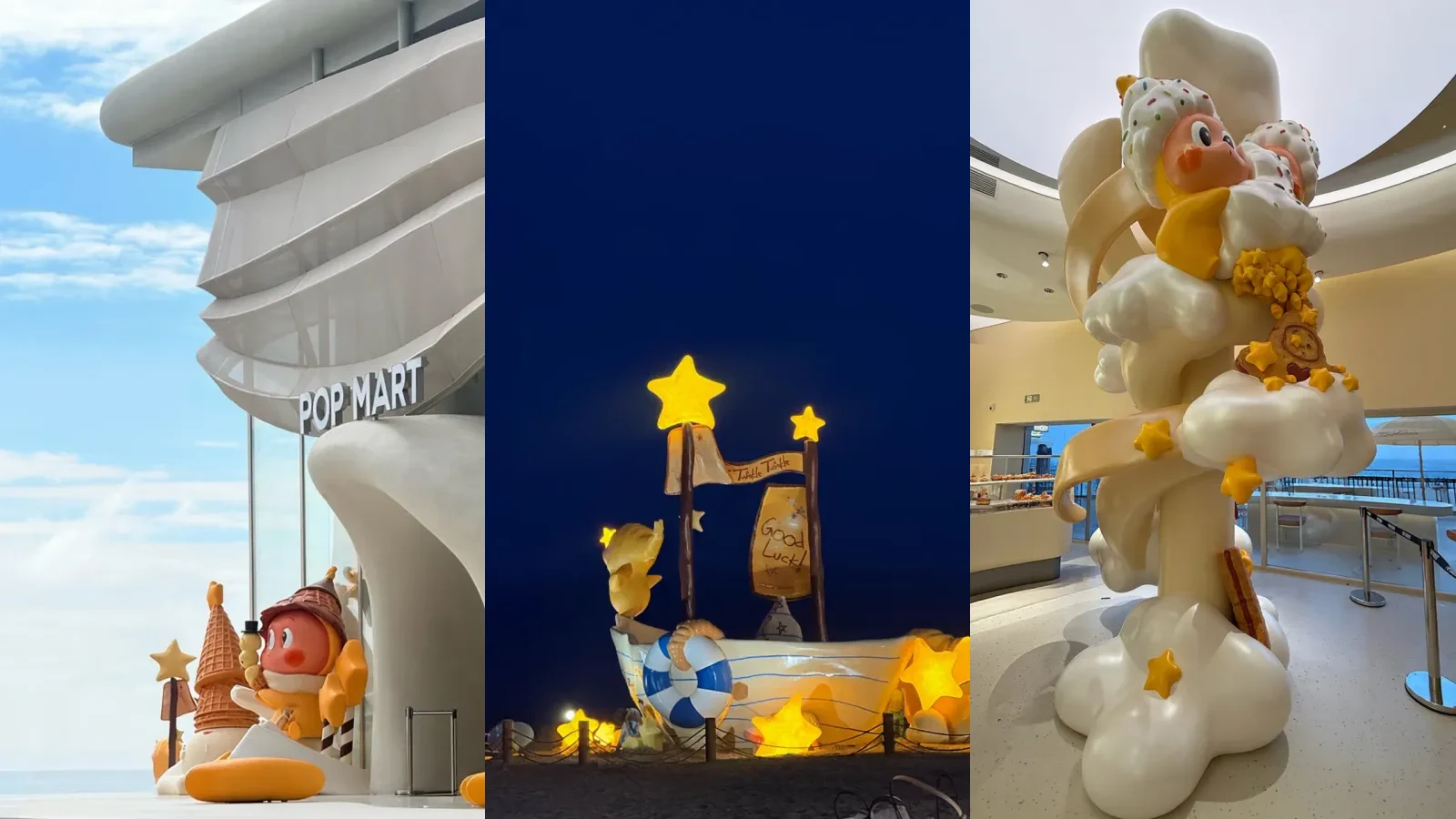
Character · object · opening · life after hype
Understand Pop Mart through artist-created characters, physical formats, blind-box releases and the real decisions collectors make before buying, displaying or exchanging an object.
Choose what you want to live with5 published guides across 7 core paths.
Choose the character before the release mechanic
Pop Mart becomes legible when the purchase is split into four decisions: character, physical format, opening ritual and life after the opening. I do not believe rarity can rescue an object you never wanted to see every day. Choose the visual world first, verify the exact product next, and let display space—not release panic—set the limit.
Company filings establish the IP, product and distribution system; they do not prove that any collectible is authentic, rare or a sound investment. Pop Mart annual reports at HKEX
Published guides, organized by intent
A collection page must do more than list recent posts. Choose the question that brought you here, open a focused guide, then keep moving through works, people and related cultural context without returning to search.
4 published guides
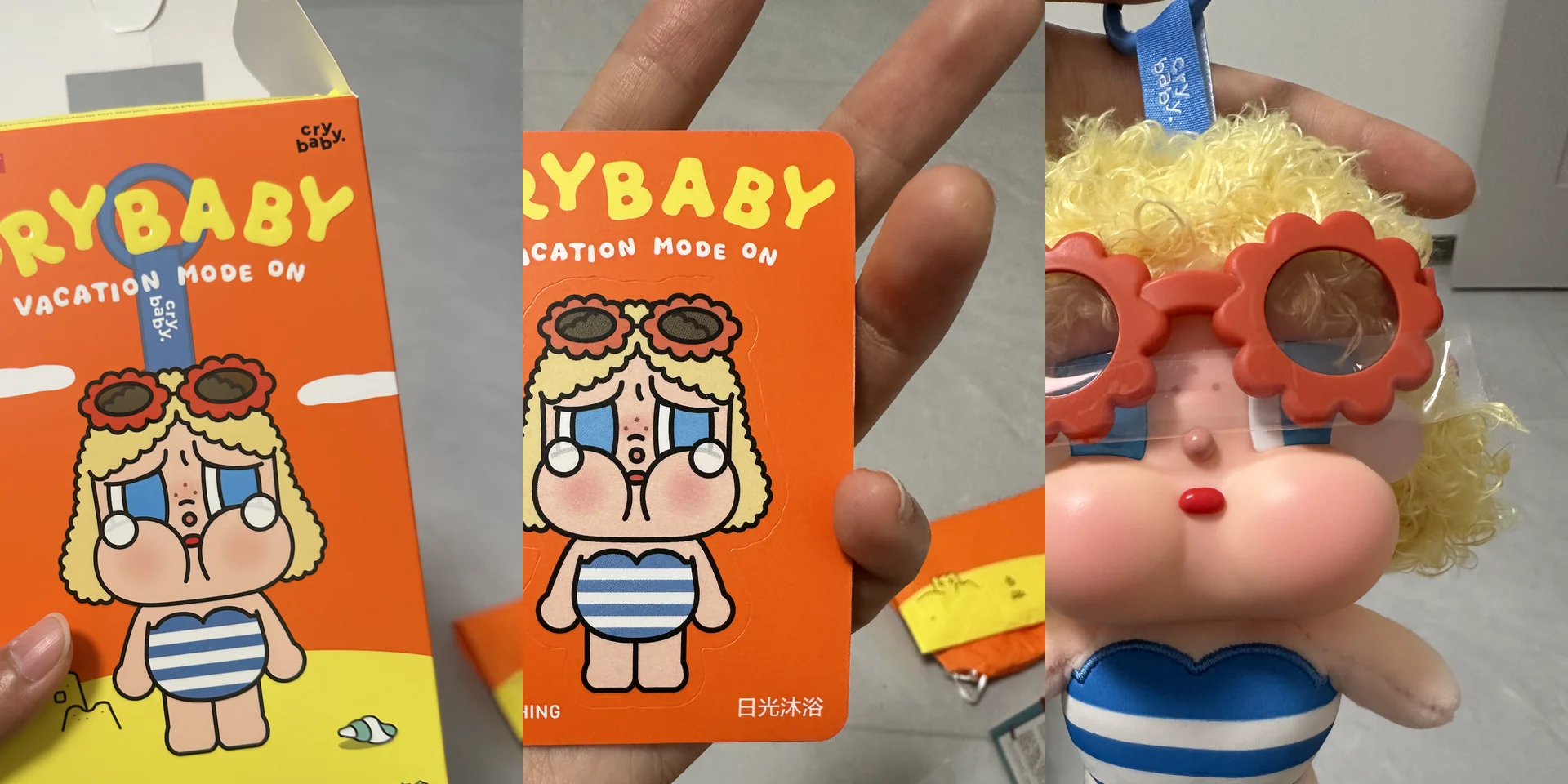
LABUBU, CRYBABY and SKULLPANDA do not offer the same emotional world. Compare silhouette, expression, recurring themes and the feeling you want in your room before a release mechanic decides for you.
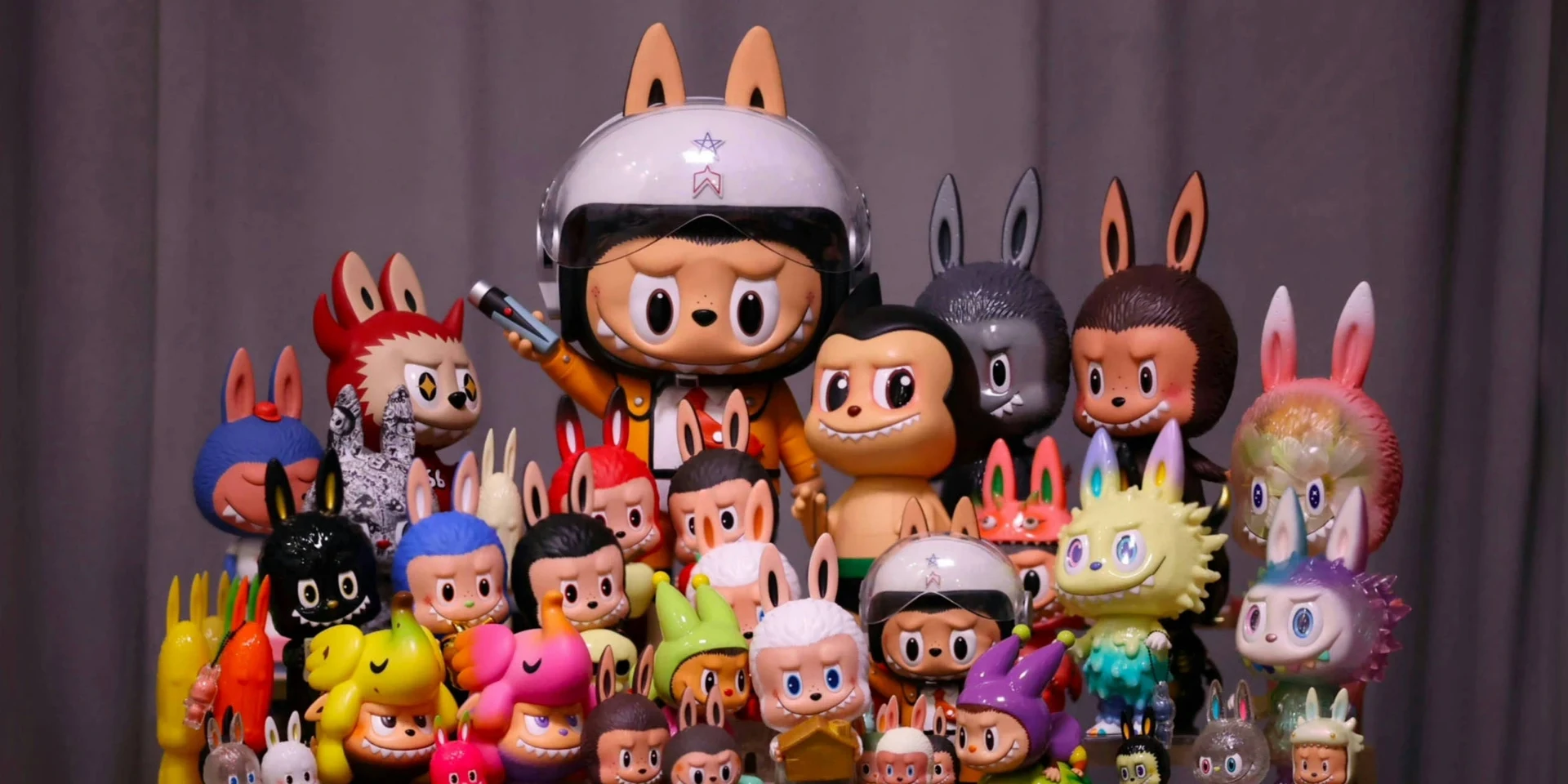
Learn what Labubu is, how it relates to THE MONSTERS and Pop Mart, and how figures, vinyl plush pendants, dolls and MEGA pieces differ.
Read the deep guide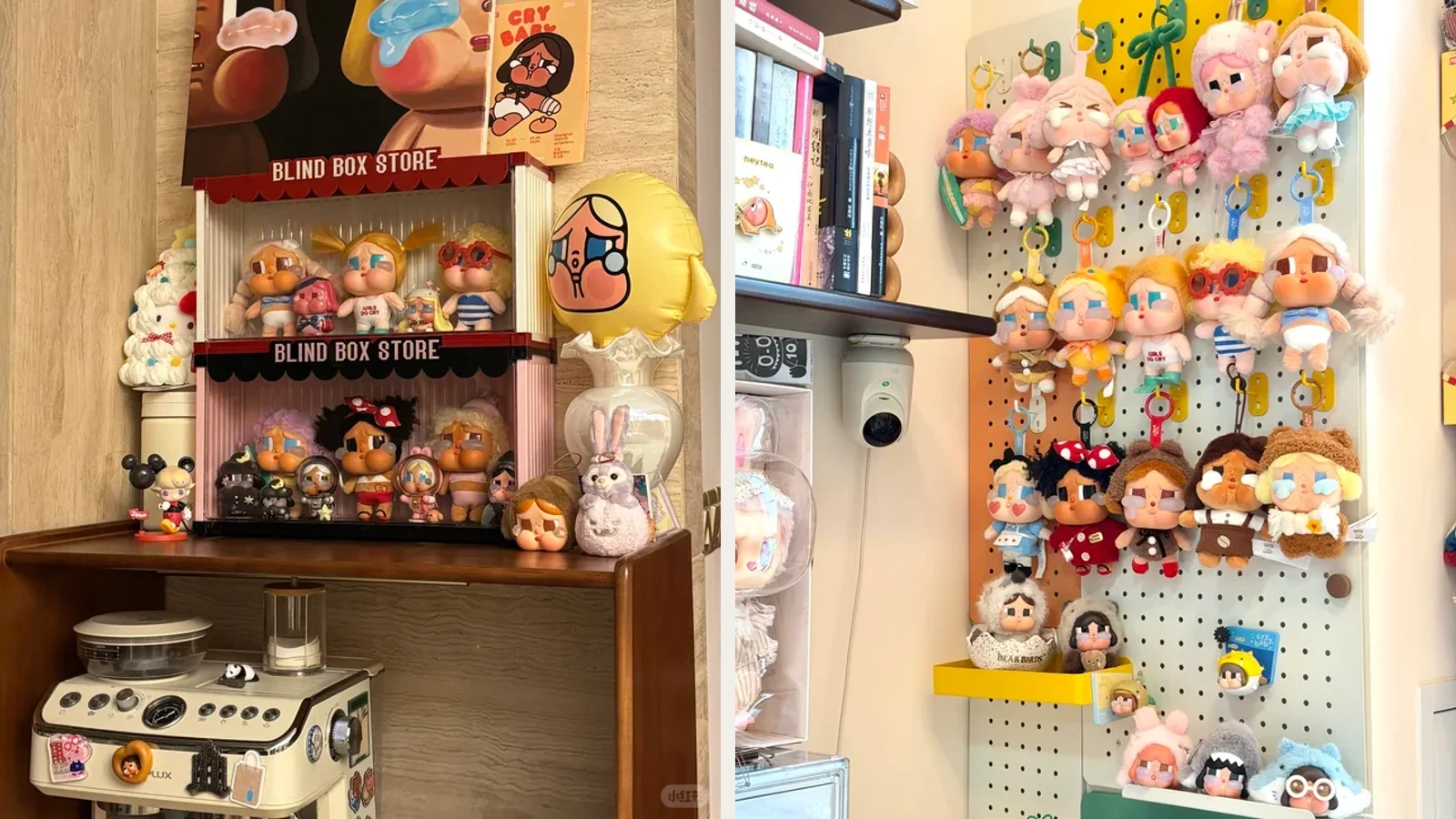
Understand what CRYBABY means, how its figures and vinyl-plush pendants differ, and how to choose a series without confusing emotion, format and rarity.
Read the deep guide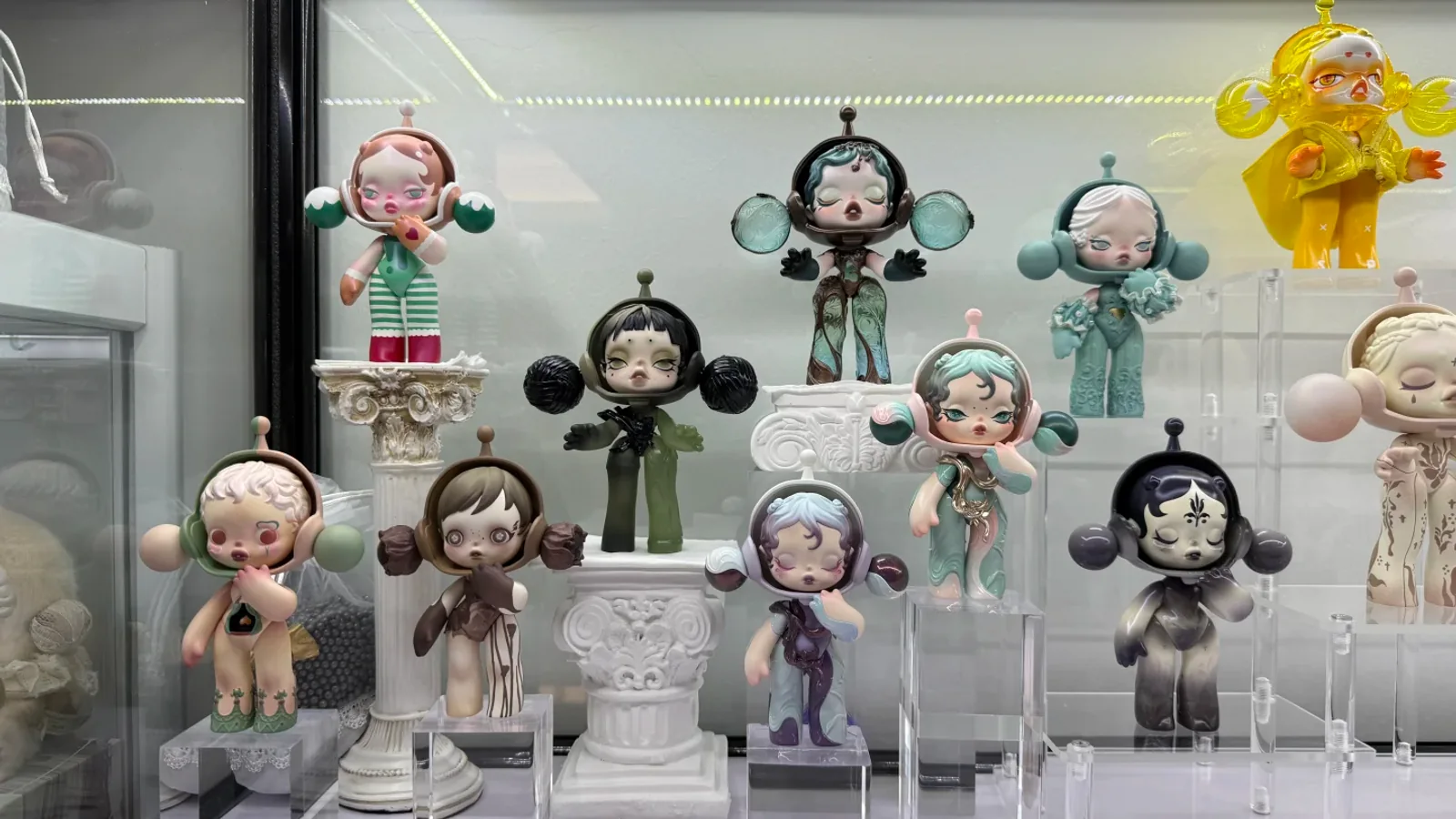
Understand SKULLPANDA's artist-led identity, visual language, figure and plush formats, and how to choose a series for real display rather than hype.
Read the deep guide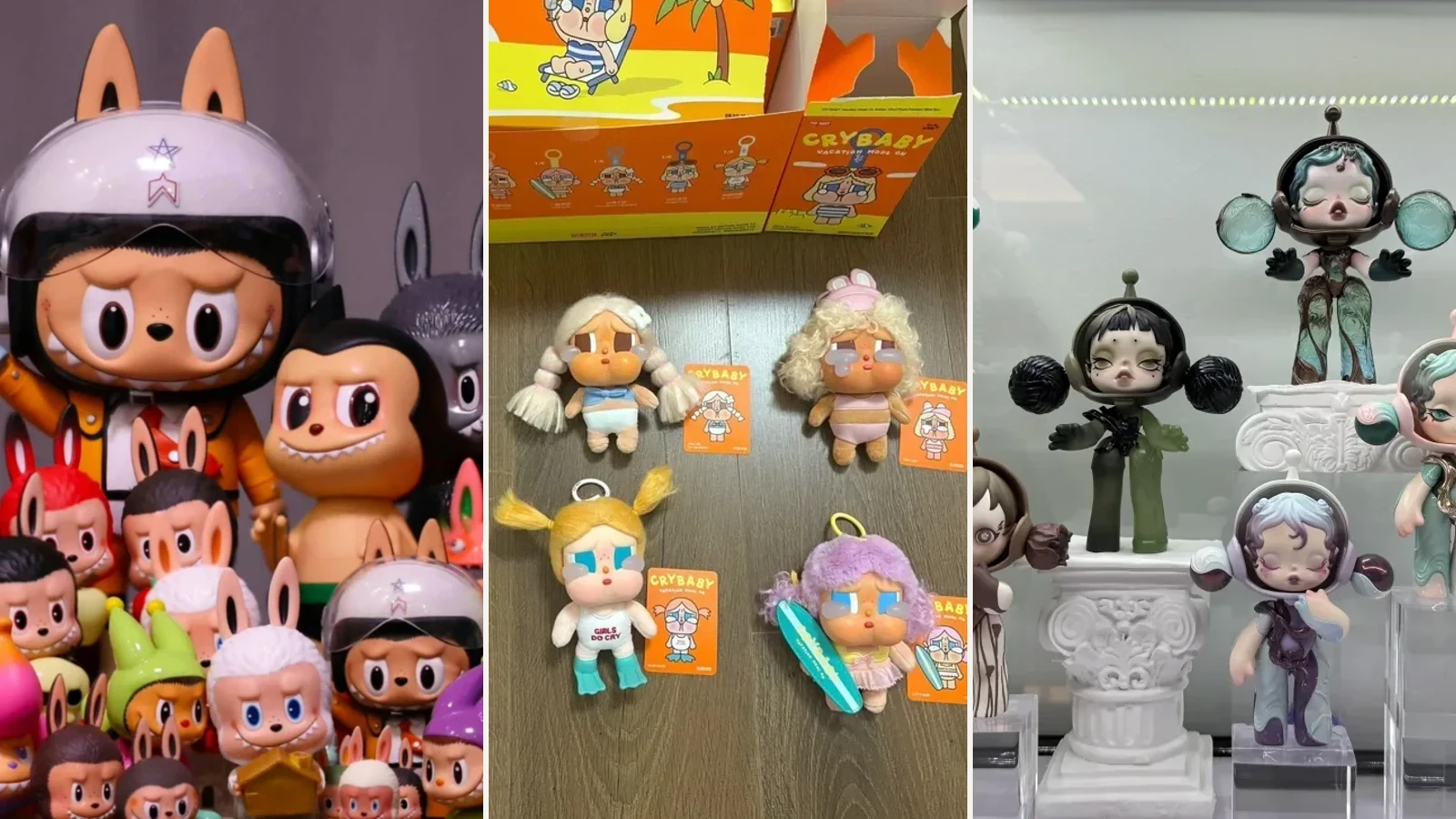
Compare major Pop Mart characters by visual language, emotion, silhouette, display style and format, then use a practical test to choose your first IP.
Read the deep guide1 published guide
A sealed box, product card, figure, plush pendant and display object require different checks. This route follows authenticity evidence, condition, storage, display space and exchange without pretending scarcity is investment value.
Understand Pop Mart as an IP and product system, not only a blind-box store. Learn how characters, formats, releases and collecting fit together.
Pop Mart is best understood as a character-based IP company, not simply as a blind-box shop. It connects artist-created characters to figures, plush, large collectibles and other objects, then uses releases, stores, online channels, opening rituals and display culture to keep those characters circulating. Before buying, decide whether you want a character, a specific object or the surprise of opening a box. Those are different purchases.
Calling Pop Mart a Chinese blind-box company is not false, but it is now incomplete. The blind box explains one purchase mechanic: the buyer knows the series but usually does not know the design inside a sealed individual box. It does not explain why someone recognizes LABUBU across a figure, a vinyl-plush pendant and a much larger collectible, or why the same person may stop buying boxes but keep following a character.
Pop Mart's 2025 annual report filed through HKEX describes IP operation and creative design as the core drivers of the business. It says the group identifies artists and designers, develops distinct IPs, builds products around them and reaches buyers through physical stores, automated roboshops, official websites, apps and other online channels. The company also describes a wider operation that includes retail, IP experiences and digital entertainment.
That gives us a better model:
character -> product format -> release and channel -> use and display -> exchange or resale
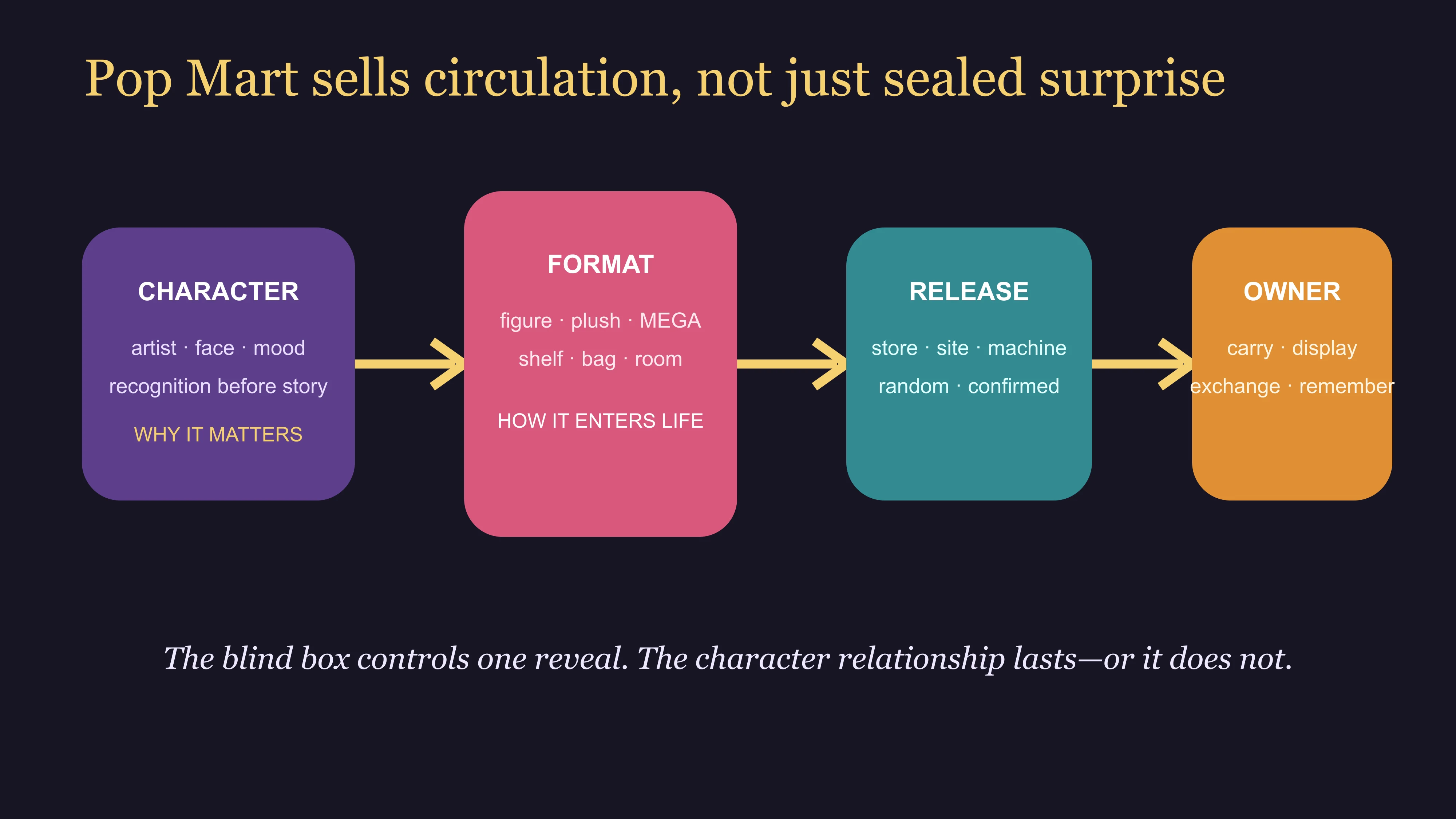
Each arrow matters. A character without a compelling physical translation may remain an image. A good object with no repeatable distribution may remain a one-off artwork. A release can generate attention, but ownership becomes durable only when people carry, display, photograph, discuss and sometimes exchange the object.
The real storefront, night installation and room-scale sculpture above show why this chain is more useful than calling Pop Mart a toy shop. The character has escaped the box before the buyer opens anything: it organizes a building edge, a nighttime route and the scale of an interior. Those photographs establish one designed retail environment and its physical ambition. They do not prove that every store works this way or that spectacle makes every product worth owning.
This system is why a useful introduction to Pop Mart should not begin with rarity. It should begin with what the buyer actually wants. I reject the lazy explanation that Pop Mart merely discovered a clever way to hide toys in cardboard. Secrecy can trigger a purchase; it cannot make a weak character worth living with.
Four motives are often bundled into one vague sentence: “I want a Pop Mart.” Separating them prevents most first-purchase regret.
| What you actually want | The question to answer first | Sensible next step | Main mistake |
|---|---|---|---|
| A character | Which visual world do I want to live with after the trend passes? | Compare several IPs before choosing a release | Buying the most visible character without liking its design language |
| A specific object | Do I want a figure, plush pendant, doll, larger display piece or useful accessory? | Fix format, scale and display location before series | Treating every object with the same character as interchangeable |
| An opening experience | Am I comfortable receiving any disclosed basic design? | Buy one traceable sealed box and accept the result | Calling a random outcome a failed purchase after choosing randomness |
| A resale bet | Can I afford total loss after fees, fraud and falling demand? | Do not treat editorial attention as investment advice | Confusing scarcity, listings or social likes with future value |
East Moment covers the first three as cultural and collecting decisions. It does not recommend the fourth. A collectible can have a resale market without becoming a sound investment. Asking prices are not completed sales, completed sales are not liquid markets, and past attention does not establish future demand.
Pop Mart is highly visible through LABUBU, but LABUBU is not the company and not the full THE MONSTERS family. The 2025 annual report lists a much broader artist-IP portfolio, including THE MONSTERS, SKULLPANDA, CRYBABY, MOLLY, DIMOO, Twinkle Twinkle and HIRONO.
The financial scale makes the portfolio structure unusually clear. For the year ended December 31, 2025, Pop Mart reported total revenue of RMB37.120 billion. Proprietary products accounted for 99.1% of that revenue, while artist IPs accounted for RMB33.406 billion, or 90.0% of the total. THE MONSTERS alone accounted for RMB14.161 billion, or 38.1%.

These are two separate real collection records placed side by side, not one shelf and not one product series. The left panel shows how one character family can be translated through fixed sculpted poses and surface treatments. The right panel shows a different IP in soft, carryable vinyl-plush form beside its series packaging. The comparison makes the company structure visible: Pop Mart repeats an IP across objects, but it also operates distinct visual worlds whose materials and uses should not be collapsed.
Those figures show concentration and breadth at the same time: one IP family was exceptionally large, but the business was not supported by one name alone. SKULLPANDA represented 9.5% of total revenue, CRYBABY 7.9%, MOLLY 7.8%, DIMOO 7.5%, Twinkle Twinkle 5.5% and HIRONO 4.7%.
These are company-reported revenues, not a ranking of artistic quality. They also should not be converted into a shopping list. The point is structural: Pop Mart operates a portfolio of distinct visual worlds. Choosing among them is closer to choosing an illustrator, mood or fictional universe than choosing a generic toy brand.
The Pop Mart characters guide compares those worlds without turning revenue into taste and gives readers a first-character test. The separate Labubu guide owns the detailed question of what Labubu is and how its product forms differ. The CRYBABY guide explains why its tears are an emotional system rather than one sad character face. The SKULLPANDA guide shows how one stable face moves through different identities and gives readers a series-and-format selection test.
Blind boxes remain important because they turn selection into an event. A series gives the buyer a bounded visual world. The sealed box withholds the exact basic design, and a rarer hidden design may replace a basic design according to the exact series disclosure. Opening, comparing and exchanging extend the transaction into a social practice.
The blind-box mechanic physically connects a series package, a named design and the revealed object. It does not prove authenticity, value or future demand. Those questions require the exact product record and transaction evidence, and the operational details belong in the collecting guide rather than inside this brand definition.
But blind-box surprise is only one way Pop Mart sells an IP. Its own 2025 revenue breakdown makes that impossible to ignore:
| Product category | 2025 reported revenue | Share of total revenue | What the category tells us |
|---|---|---|---|
| Plush toys | RMB18.708 billion | 50.4% | Soft and carryable forms had become the largest category |
| Figure toys | RMB12.023 billion | 32.4% | Display figures remained substantial but were no longer the majority |
| MEGA | RMB1.916 billion | 5.2% | Larger-scale collectibles address a different space and budget |
| Other IP-related products | RMB4.473 billion | 12.0% | Characters extend beyond a single collectible format |
This is the strongest correction to the old shorthand. In 2025, plush became Pop Mart's largest revenue-contributing product category for the first time. Anyone trying to explain the current business only through small boxed figures is describing an earlier center of gravity.
Format changes the relationship with the character. A small figure is mainly displayed. A pendant moves through public space on a bag. A plush doll invites touch and photographs. A MEGA piece organizes a room around itself. An accessory may make the image part of an everyday routine. These are not just different price points; they are different uses.
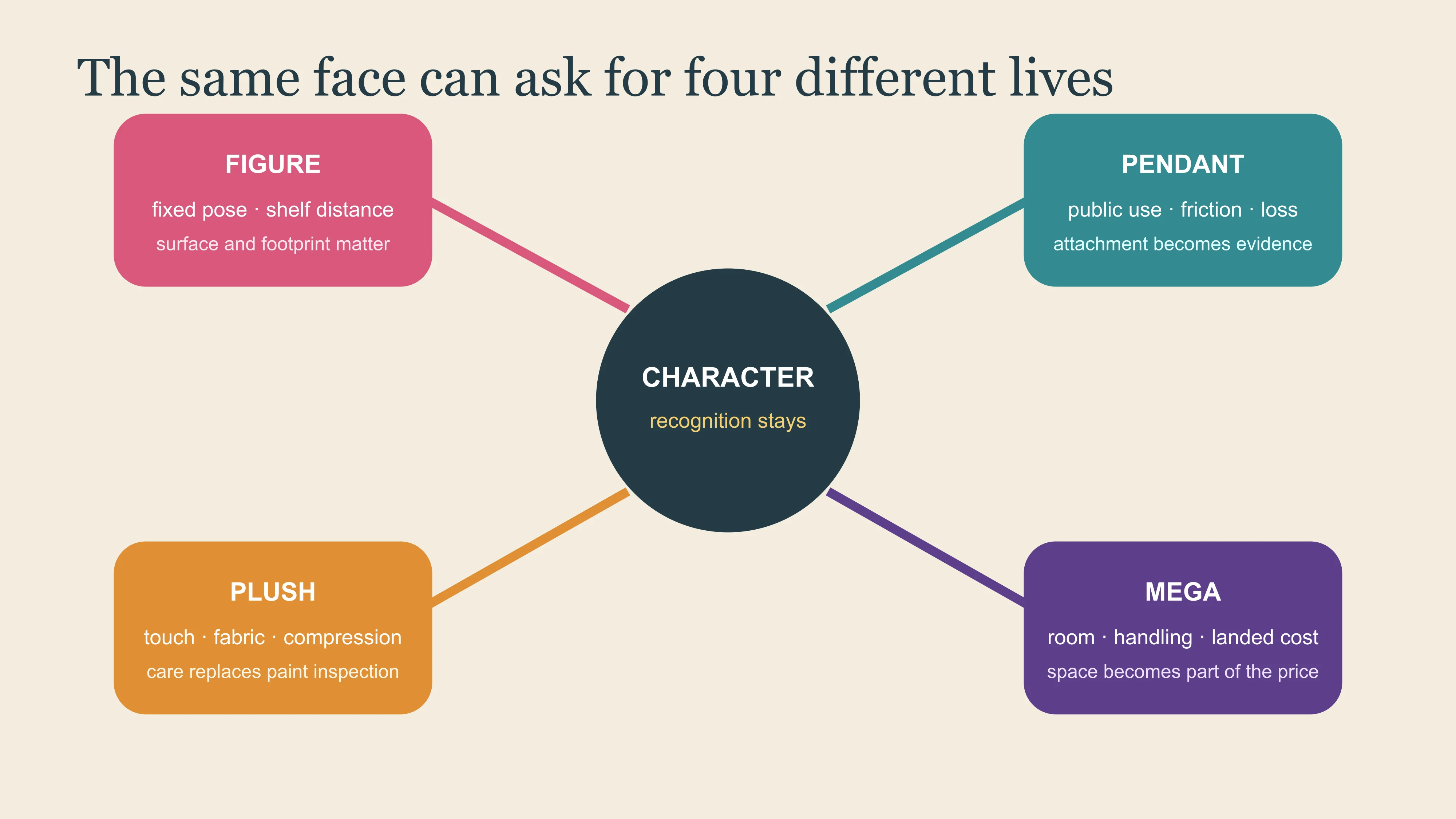
This is the part I find culturally important. Pop Mart did not only make characters collectible; it made them mobile. A face can leave the display shelf, hang from a commuter's bag, enter a café photograph and become a tiny public declaration of taste. That movement matters more than the five seconds of opening suspense.
There is no single psychological trick that explains Pop Mart's reach. “People like surprises” is too weak, and “scarcity makes people buy” mistakes one accelerant for the whole engine. At least five parts work together.
Many Pop Mart IPs communicate first through silhouette, face, color, costume and mood. A buyer can respond before learning a long narrative. That lowers the entry barrier while leaving room for personal interpretation. The character can feel specific without demanding that every owner understand it in exactly the same way.
A character can return in new themes, sizes and materials. The owner does not need to buy every release for that repetition to matter. Reappearance keeps the visual world legible, while different formats let the same identity move from shelf to bag, desk or room.
As of December 31, 2025, Pop Mart reported 630 stores in 20 countries and 2,637 roboshops, alongside official apps, websites and major ecommerce channels. A collector could encounter the brand in a destination store, a machine, a phone or a social feed. The system shortens the distance between seeing and buying.
These counts are a dated snapshot, not a current store locator. They matter because they show that cultural visibility is built through physical and digital repetition, not only through advertising.
Opening videos, bag displays, desk arrangements and shelf tours convert private ownership into visible practice. The questions that keep returning are brutally practical: Which one should be the first purchase? What happens after a duplicate? Is the flaw production variation or damage? How do you carry an object without turning every mark into heartbreak? Those questions reveal the real culture better than a rarity chart does. Ownership begins after the reveal.
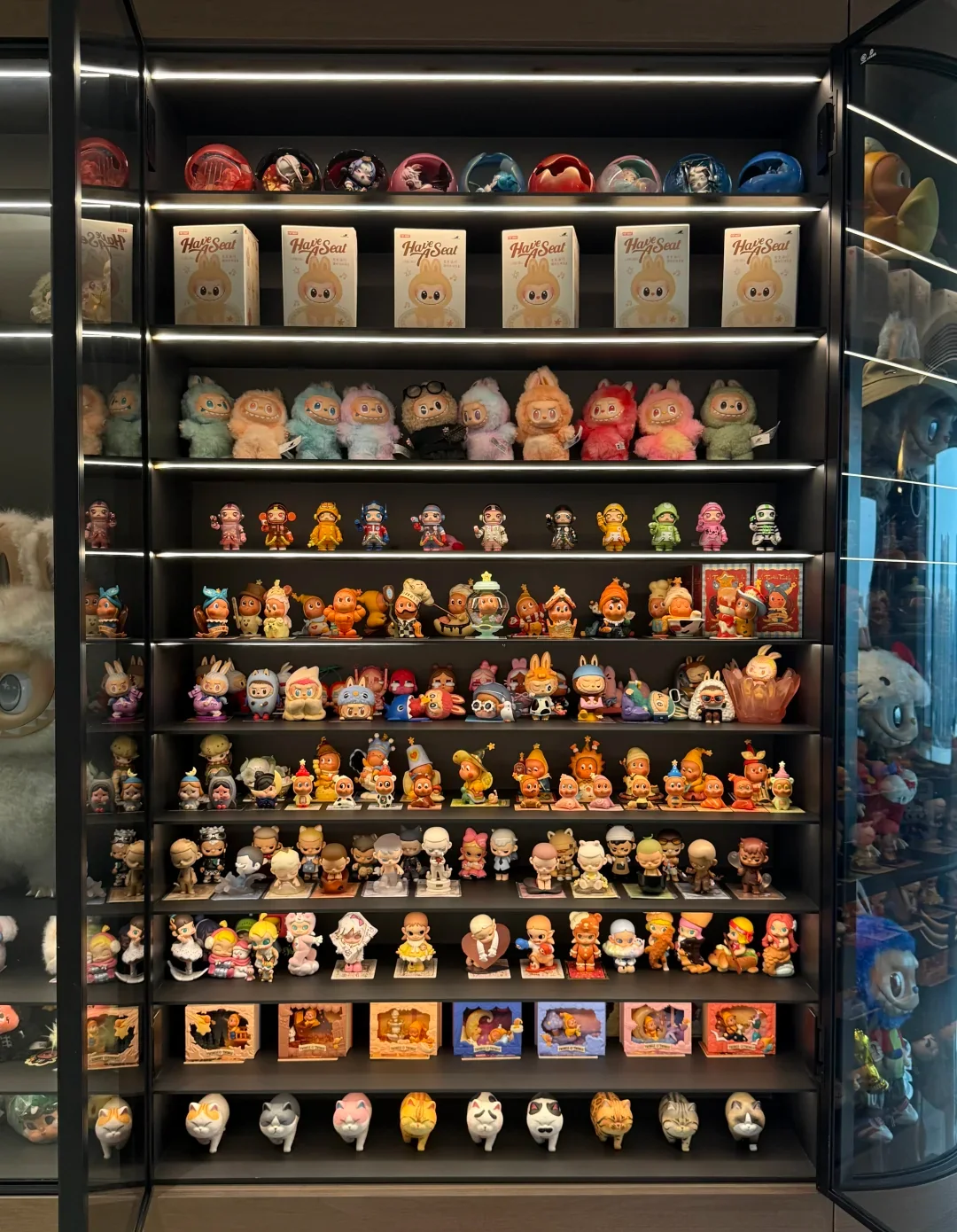
This cabinet is the consequence that a sealed-box photograph hides. It makes scale, format mixing, lighting, shelf density and the physical competition for space visible at once. It does not prove the price, authenticity or completeness of any object, and it certainly does not prove that more ownership creates more pleasure. My harder reading is that a collection becomes real when it starts negotiating with the room. If you cannot say where the next object will live, the purchase is probably serving the opening moment rather than your life.
An unwanted random design is not always the end of the experience. It may be exchanged, sold, gifted or incorporated into a larger display. This secondary circulation can reduce waste for one collector while introducing condition, authenticity, price and fraud risk for another. The Pop Mart collecting guide handles those operational decisions separately.
Pop Mart's 2025 results prove that the company had reached large commercial scale and that THE MONSTERS and plush were major drivers in that year. They do not prove that every release was equally popular, that every buyer was a collector, or that a product bought today will appreciate.
Attention has the same boundary. A widely repeated claim can reveal a strong question or recognizable anxiety. It cannot establish a probability, identify a counterfeit, verify a material claim or determine fair value. Repetition remains an emotional signal until another kind of evidence supports it.
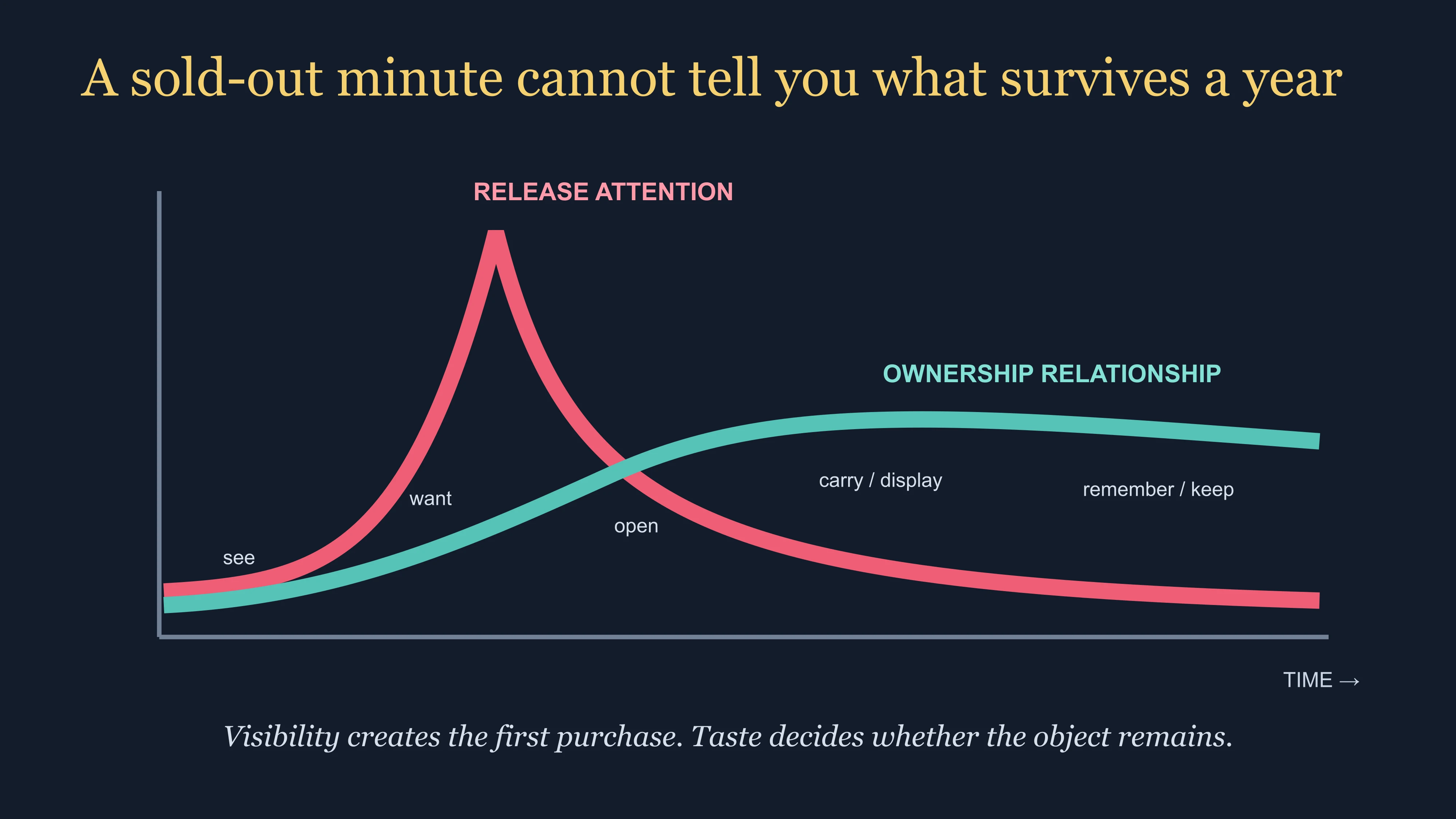
The distinction matters because collectible culture rewards confident language. Sellers describe objects as rare, collectors repeat visual “tells,” and algorithms reward dramatic wins. A serious guide has to be more exact than the marketplace around it.
Use this sequence whether you enter a physical store or browse an official regional site:
The practical value of packaging is identification, not decoration. A box, card and inner bag kept in one record help a buyer name the exact series and check what should be present. They do not replace a receipt, the official regional product record or a market-specific verification process.
This sequence deliberately removes urgency. A release calendar is the seller's schedule, not the buyer's obligation.
Pop Mart matters because it made contemporary character ownership work across several layers at once. Artists and designers supply distinct visual identities. Product teams translate those identities into multiple physical forms. Release and retail systems create repeated encounters. Owners make the objects social through opening, carrying, display and exchange.
The blind box sits inside that system, but it is not the system itself. Start with the character if you care about a visual world. Start with the format if you care about the object. Choose a blind box only if uncertainty is part of the pleasure you are willing to pay for. And leave resale speculation outside the definition of collecting.
What would remain in your collection if every price tag, sold-out notice and celebrity photograph vanished tomorrow? Bring one character-to-life map to East Moment's community: the character, the format, where it lives and the detail that still earns your attention. Return for maps that reveal which designs became part of ordinary life instead of becoming one more unopened promise.
One useful question
Which Pop Mart character would you still keep if rarity, resale price and release hype disappeared?
Loading the conversation…
Reader-built field guide
Show one character, the format you chose, where it lives and the detail that made it worth keeping after the opening moment ended.
What this builds: Return for reader maps showing which characters survived daily use, display limits and changing attention—and which purchases did not.
These sources verify institutional records, protected traditions and claims that benefit from direct evidence. They support the story; they do not replace Lijun's judgment.