NARAKA: BLADEPOINT is still worth trying in 2026 if you want a competitive game where distance is decided by bodies, blades and grappling lines rather than guns. It is free to play, visually distinctive and capable of producing duels that feel like an argument. It is also unforgiving. The same combat depth that made it travel can make a new player feel as if everybody else learned a private language years ago.
That contradiction is the real review. NARAKA did not become globally legible by explaining the whole jianghu. It compressed one part of wuxia—impossible movement, weapon timing, poised bodies and sudden reversal—into a competitive system another player can punish.
The game is not the best first choice if you want a long personal story or a society of masters, debts and factions. It is the right choice if you want to feel why a half-second of timing can transform a martial pose into power.
NARAKA: BLADEPOINT turned wuxia movement into a competitive language
When 24 Entertainment revealed the game at The Game Awards in 2019, the international proposition was already clear: close-range combat, parkour, grappling and block-and-parry systems inside a survival format. That mixture sounds obvious after the fact. It was not.
Most battle royales make the terrain a problem of sightlines and gun range. NARAKA makes the terrain a problem of approach. A roof edge is a launch point. A tree is a temporary escape. A grappling hook can close space, interrupt confidence or pull a fleeing target back into a bad decision.
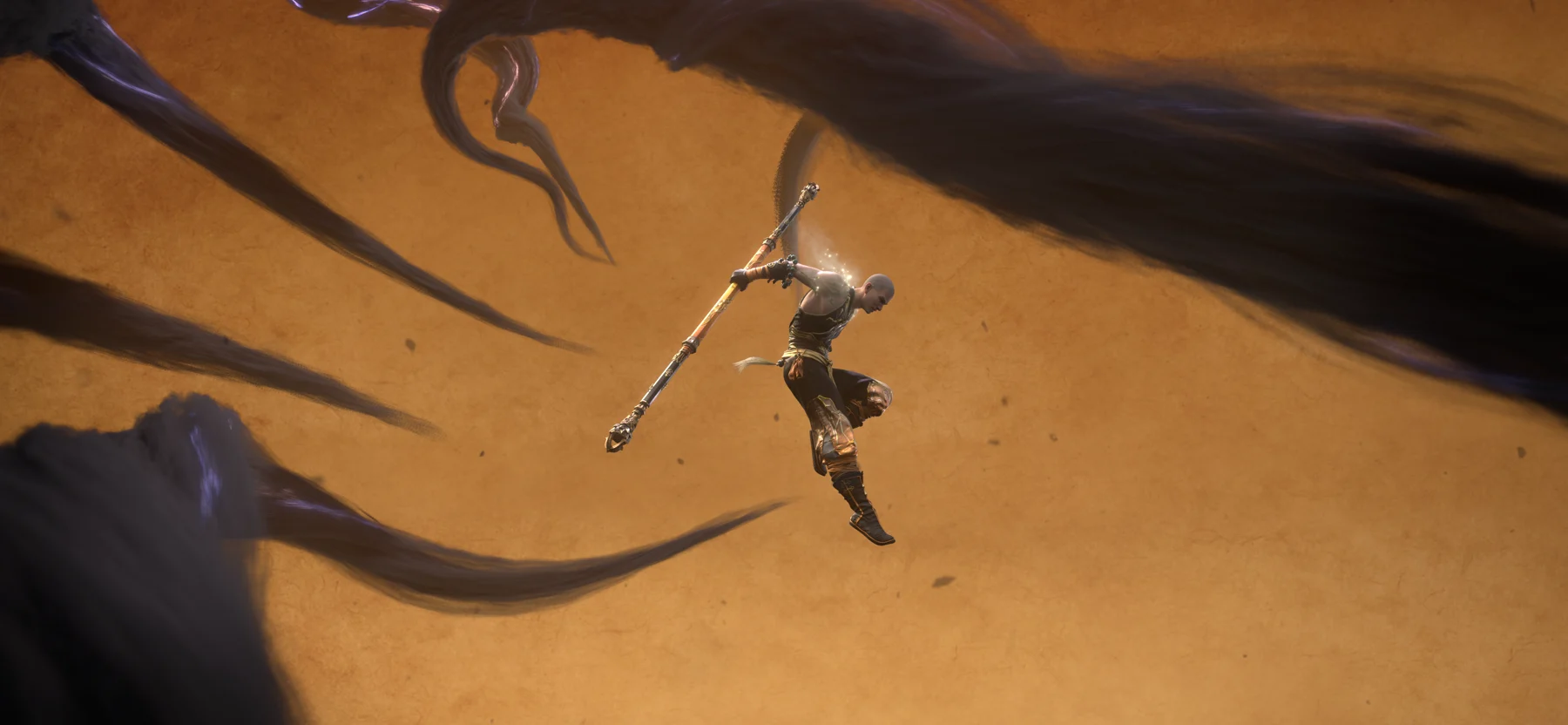
This is the game’s first successful translation. International players do not need to memorize a sect genealogy before understanding the fantasy of refusing gravity. They feel it through pursuit. The opponent climbs; you follow. The opponent escapes the roof; the fight continues through the air. Movement is not travel between gunfights. Movement is part of the duel.
That makes NARAKA an important entry in our guide to wuxia games with real global reach. It exported a physical grammar rather than a vocabulary lesson.
The combat triangle is simple; surviving it is not
At the center is a readable contest between ordinary attacks, committed focus attacks and counters. The exact weapon strings, hero abilities and seasonal balance can change, but the emotional pattern remains stable: will the opponent continue, charge, cancel, dodge or attempt to punish what they expect?
A parry is satisfying because it is not a shield. It is a claim about the other person’s next action. When the claim is correct, the match briefly changes ownership. When it is wrong, the player has exposed intention.
This is where beginners often misunderstand the difficulty. Learning one combo is not enough. You must learn which part of the combo is a threat, which part is a bluff and how movement changes the available answer. A veteran is not only faster. A veteran is editing your expectations.
The best first training goal is therefore smaller than “win.” Learn to identify one committed attack and answer it without panic. Then learn one safe way to reset distance. Then add one weapon route that you can perform while watching the opponent instead of the keyboard. The game becomes enjoyable when your attention moves from your own hands to the other body.
Why NARAKA reached global players
The reach is not speculative, but the numbers require honest labels. The official site announced six million paid copies in November 2021. A NetEase Games press release distributed through GamesPress later announced 40 million players across platforms in November 2023 after the free-to-play transition.
Those are cumulative milestones. They are not claims about the number of people active this week, and they should not be turned into one. What they do prove is that the game moved beyond a small imported curiosity.
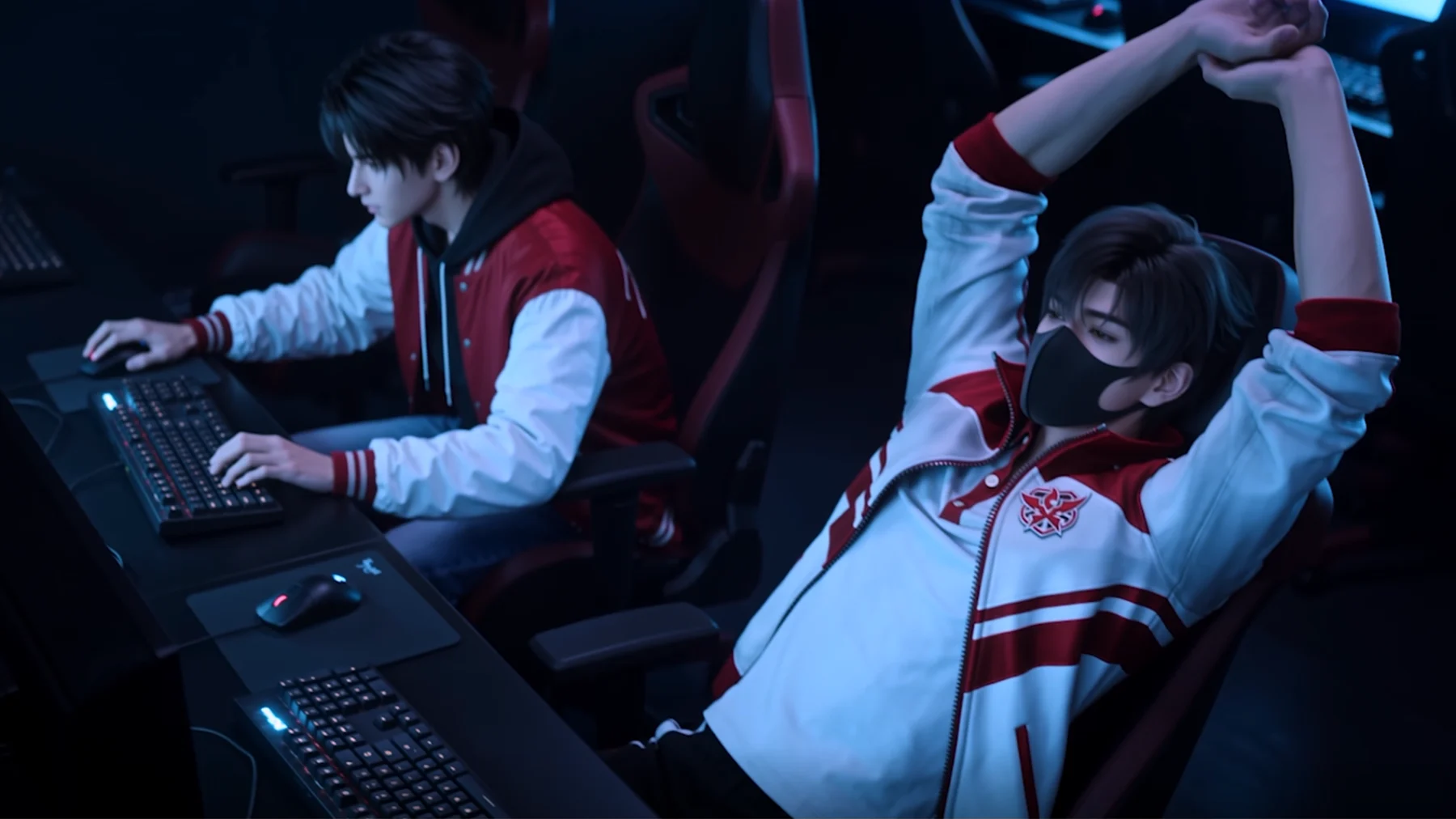
The official 2026 competition image adds a different kind of evidence. NARAKA is not only downloaded abroad; it has been organized into a spectator and tournament culture where a player’s hands, preparation and visible pressure matter. The picture cannot establish audience size or event prestige by itself. It can show the game being treated as a competitive performance.
Three design choices helped it travel:
- The body is readable. A sword, spear or staff communicates intention more visually than a spreadsheet of lore.
- Movement is pleasurable before mastery. Grappling and climbing give a beginner something immediately physical to enjoy.
- Chinese visual identity is not hidden. Heroes, weapons, architecture, landscape and martial silhouettes remain central rather than being neutralized for export.
The third point deserves care. Chinese identity is not guaranteed by ornament. A tiled roof behind a generic damage system would be shallow. NARAKA is more persuasive because the visual world and the movement system point in the same direction: agile bodies, weapon distance, circular evasion, sudden commitment.
The martial pose matters because it controls anticipation
Wuxia cinema teaches the audience to read stillness. Two fighters can stand almost motionless while the scene becomes more dangerous. The question is not whether something will happen. It is who already understands the next move.
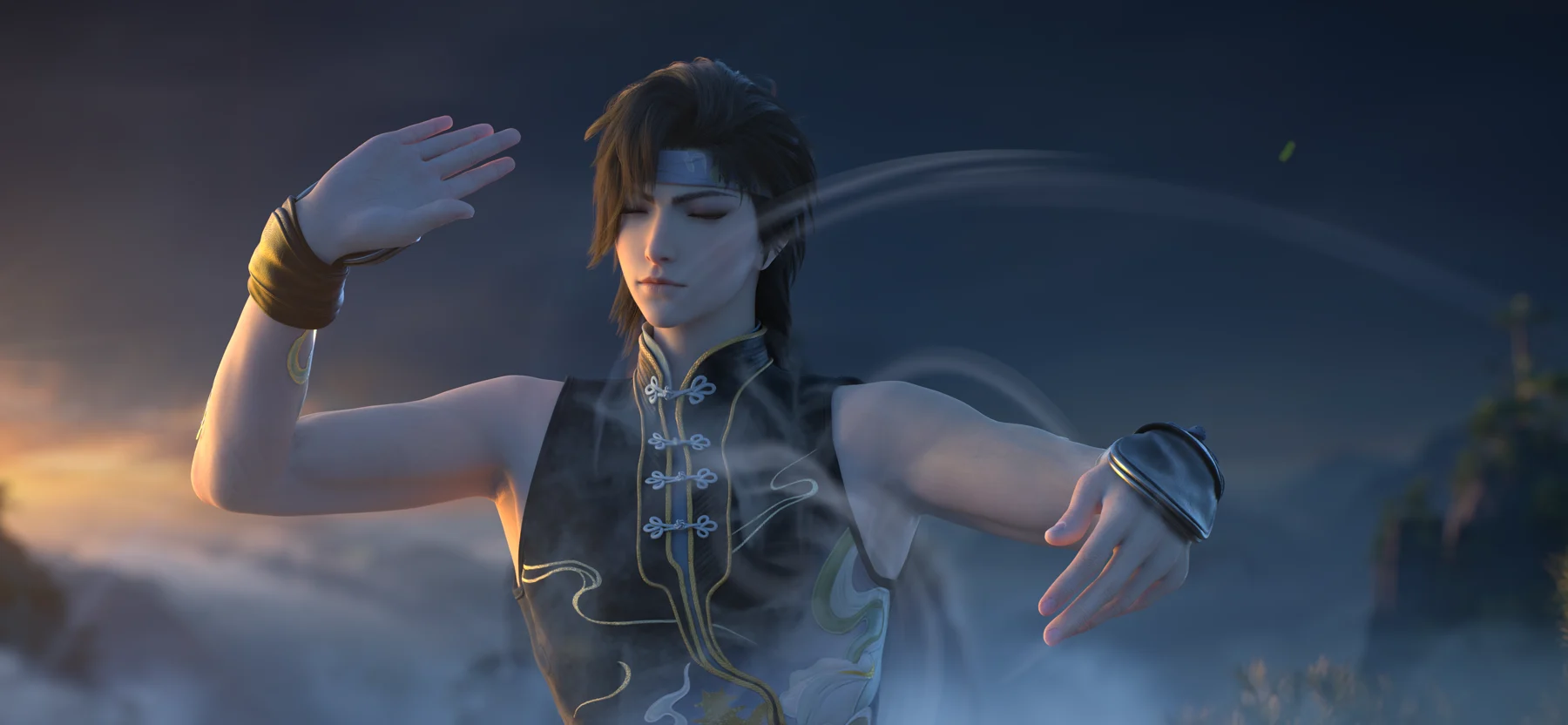
NARAKA borrows that visual intelligence. Character selection, emotes and cosmetics can easily become pure display, but the strongest martial poses remind the player that control is part of the fantasy. A balanced hand, relaxed shoulder or centered torso makes the eventual burst feel faster.
This also explains the enormous importance of customization to the game’s culture. Players are not merely choosing statistics. They are choosing how confidence appears. The risk is obvious: once monetized outfits become more memorable than weapon behavior, the martial identity can drift into a fashion platform with combat attached.
I do not think fashion is the enemy. Wuxia has always understood clothing, silhouette and entrance. The question is whether the costume helps a player read a character or merely announces rarity. Good design tells us something before the skill activates. Bad design only tells us how the shop was priced.
Free-to-play is generous in access and demanding in attention
The game moved to free-to-play on July 13, 2023. The official free-to-play FAQ says free players receive access to all modes, maps and weapons, while hero acquisition is paced through Hero Coins and free accounts face some progression thresholds for ranked play, lobby chat and custom-lobby creation. That is a far better answer than claiming it is either “completely free” or “pay to win” in one sentence.
You can learn the real combat without buying an edition. Money can accelerate access and purchase cosmetics, but the deciding duel still asks whether you read distance, timing and commitment. The more serious cost is attention. Seasonal systems, events, currencies and cosmetics compete for the same mental space as training.
For a new player in 2026, use this order:
- Finish the tutorial and spend time in the practice environment before entering ranked play.
- Choose one melee weapon and one hero; do not treat the entire roster as homework.
- Learn recovery and escape before chasing long combos.
- Play team modes with communication if solo pressure makes every mistake unreadable.
- Ignore most cosmetic prompts until you know whether the duel itself holds you.
The Steam listing currently presents the game as free to play with online PvP and multiple supported languages. Platform details change. An official July 2026 update says the Epic Games Store version stopped accepting additional downloads after the anniversary update and is scheduled to be delisted, with account-transfer arrangements before December 30, 2026. Steam, the official PC version, Xbox and PlayStation 5 remain the safer current routes to verify for a new account.
It is martial fantasy, not a complete jianghu simulator
Calling NARAKA wuxia is reasonable, but treating it as a full explanation of wuxia is not.
The game captures bodies, weapons, vertical freedom and dramatic individuality. A battle royale match, however, compresses long obligations. Teachers, sect politics, hospitality, reputation and debts do not have the same room to accumulate as they do in a novel, drama or role-playing journey. Survival resets the moral world.
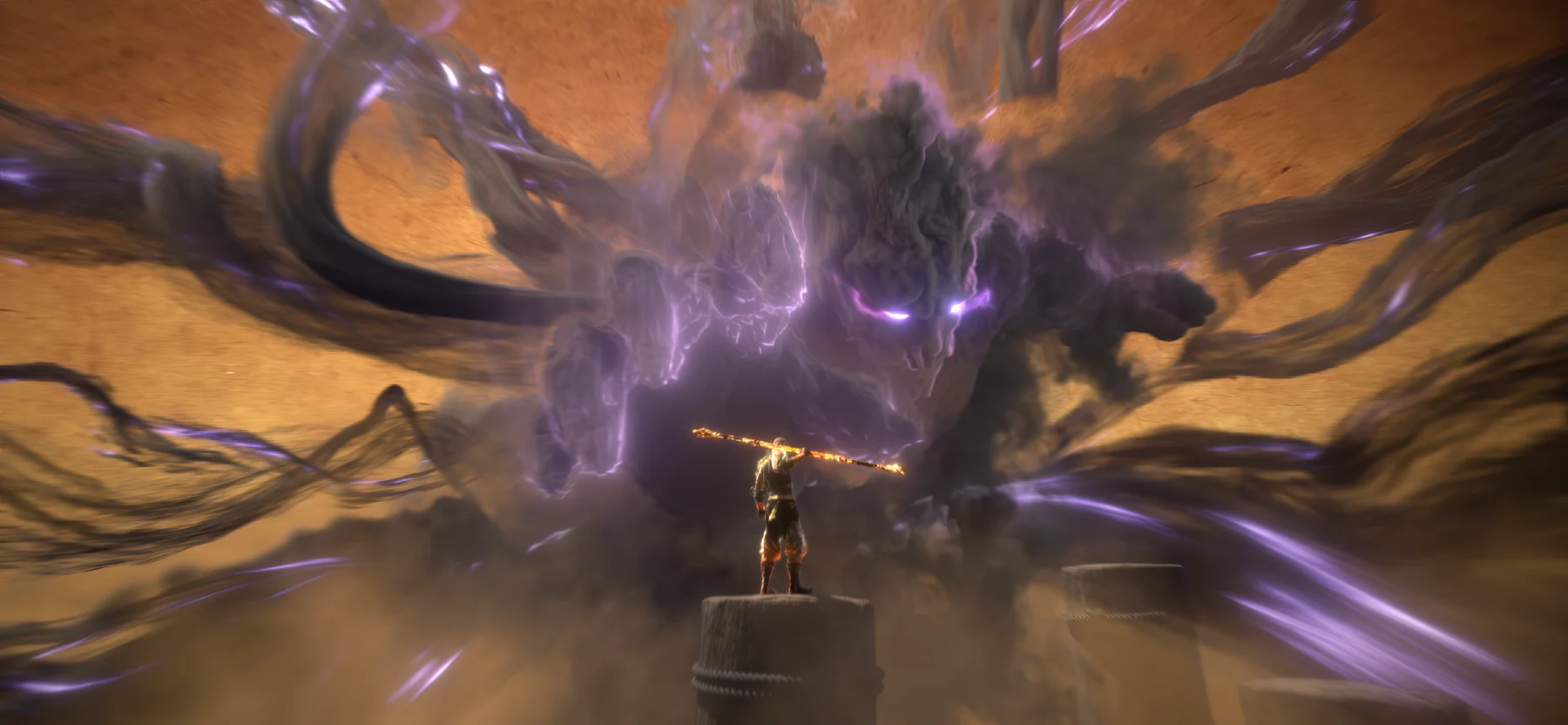
The Showdown material expands the fantasy into cooperative supernatural combat, but scale does not automatically restore jianghu. A giant enemy can prove that heroes confront the impossible. It cannot prove why they owe one another anything.
This is the key comparison with Where Winds Meet. That game uses an inhabited open world to let minor people interrupt heroic freedom. NARAKA asks how beautifully and intelligently heroic bodies can collide. Both are valid. They answer different desires.
For the cultural foundation—why xia means more than being good at violence—read our explanation of wuxia. It will make the limitation here clearer without diminishing the combat achievement.
Showdown reveals both the flexibility and the dilution risk
The cooperative Showdown mode proves the combat framework can support more than last-player-standing tension. Large supernatural enemies, scripted phases and team coordination create a different rhythm.
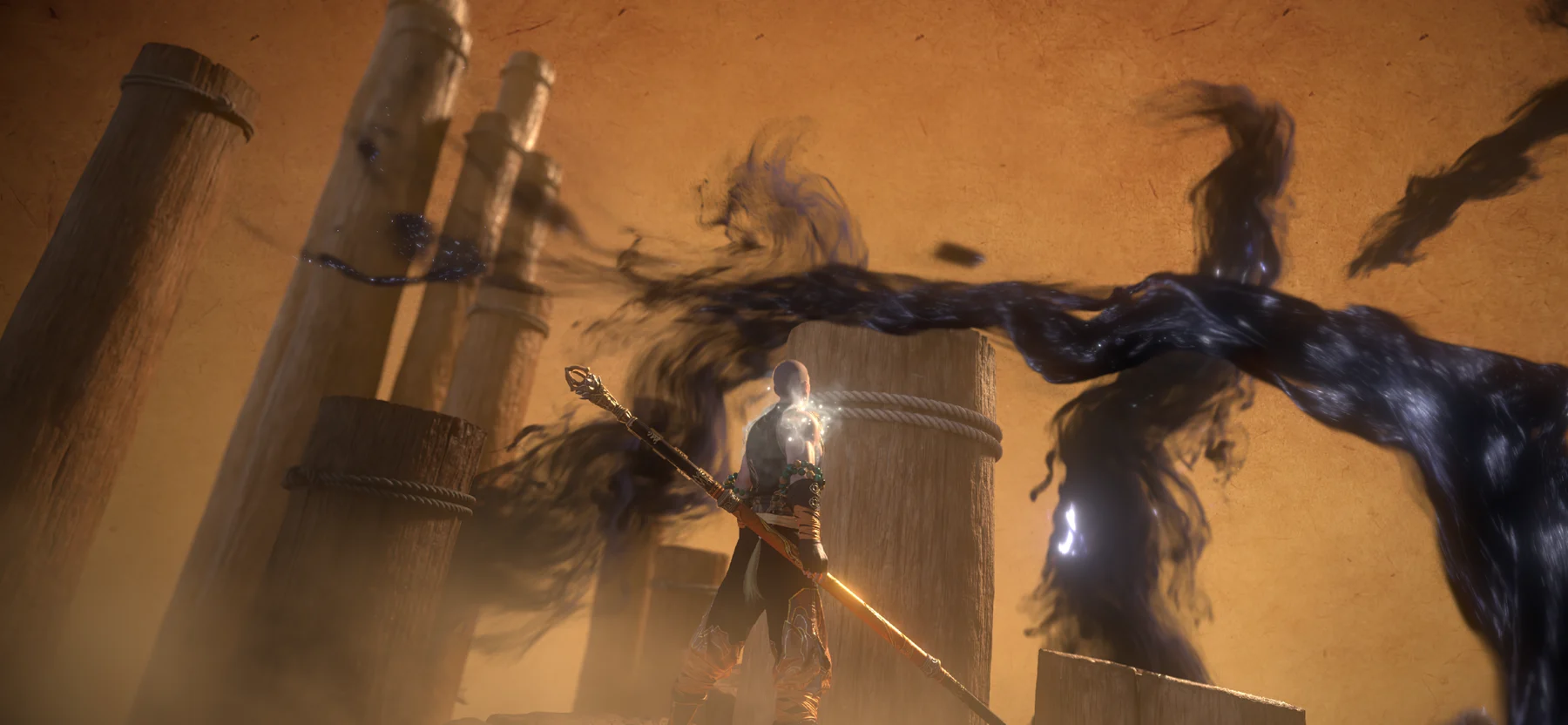
This flexibility is useful. It gives players a route to enjoy movement and weapon expression without every lesson arriving through another human opponent. It also allows environments and mythic threats to hold the frame longer.
The risk is dilution. If every new season needs a louder monster, brighter effect and more elaborate costume, the clean duel can disappear under content. The game’s long-term strength depends on remembering why the original proposition worked: another human body, a weapon, a gap and the possibility of reversal.
That is what I would protect. More content is not automatically more identity.
Is NARAKA: BLADEPOINT worth playing in 2026?
Yes, for three groups:
- Players who are tired of gun-led battle royale distance and want melee confrontation.
- Action players who enjoy a high skill ceiling and can tolerate losing while learning another person’s habits.
- International players interested in how Chinese martial movement can become a modern competitive system.
It is a poor match for players who need a relaxed solo narrative, dislike PvP pressure or resent service menus enough that they cannot ignore them. It can also be a frustrating first competitive action game because old players carry years of match knowledge.
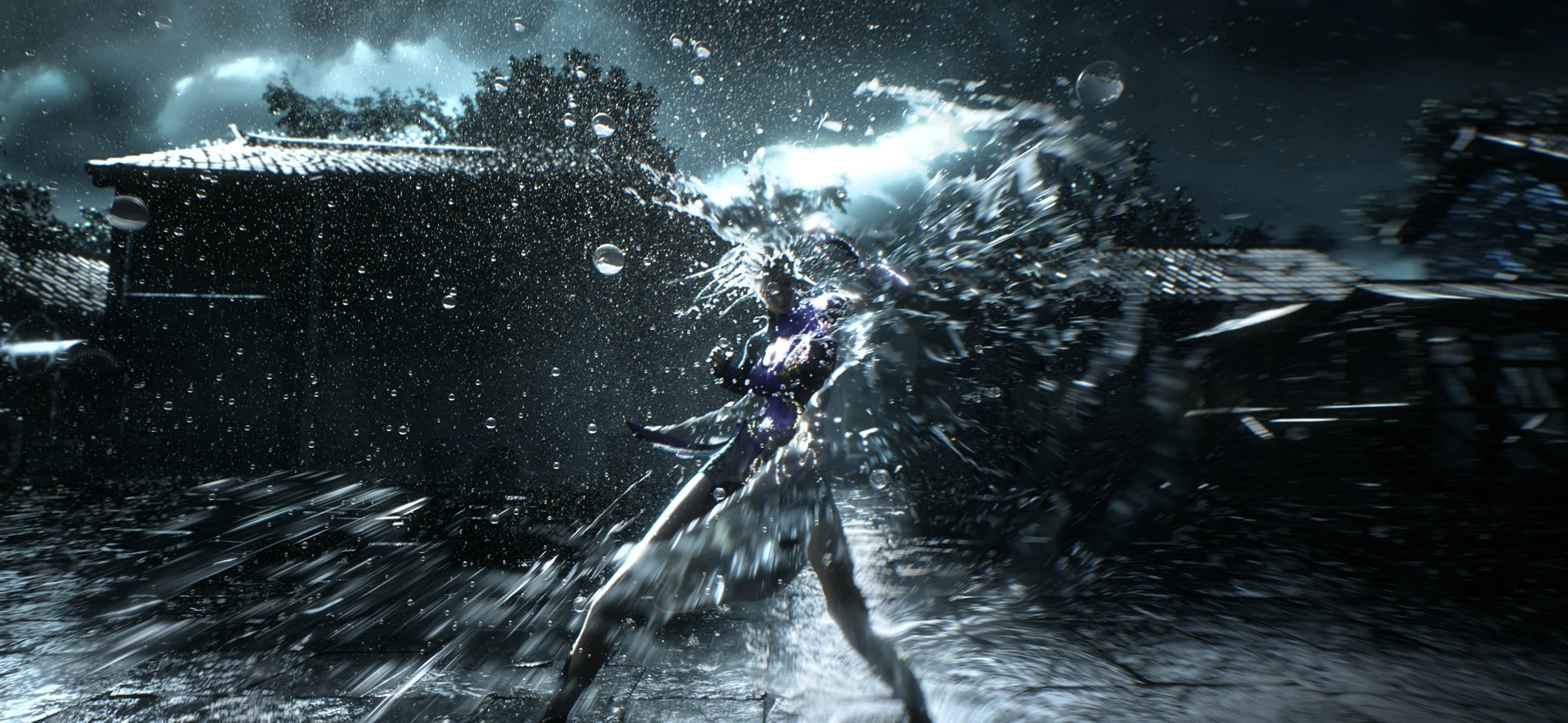
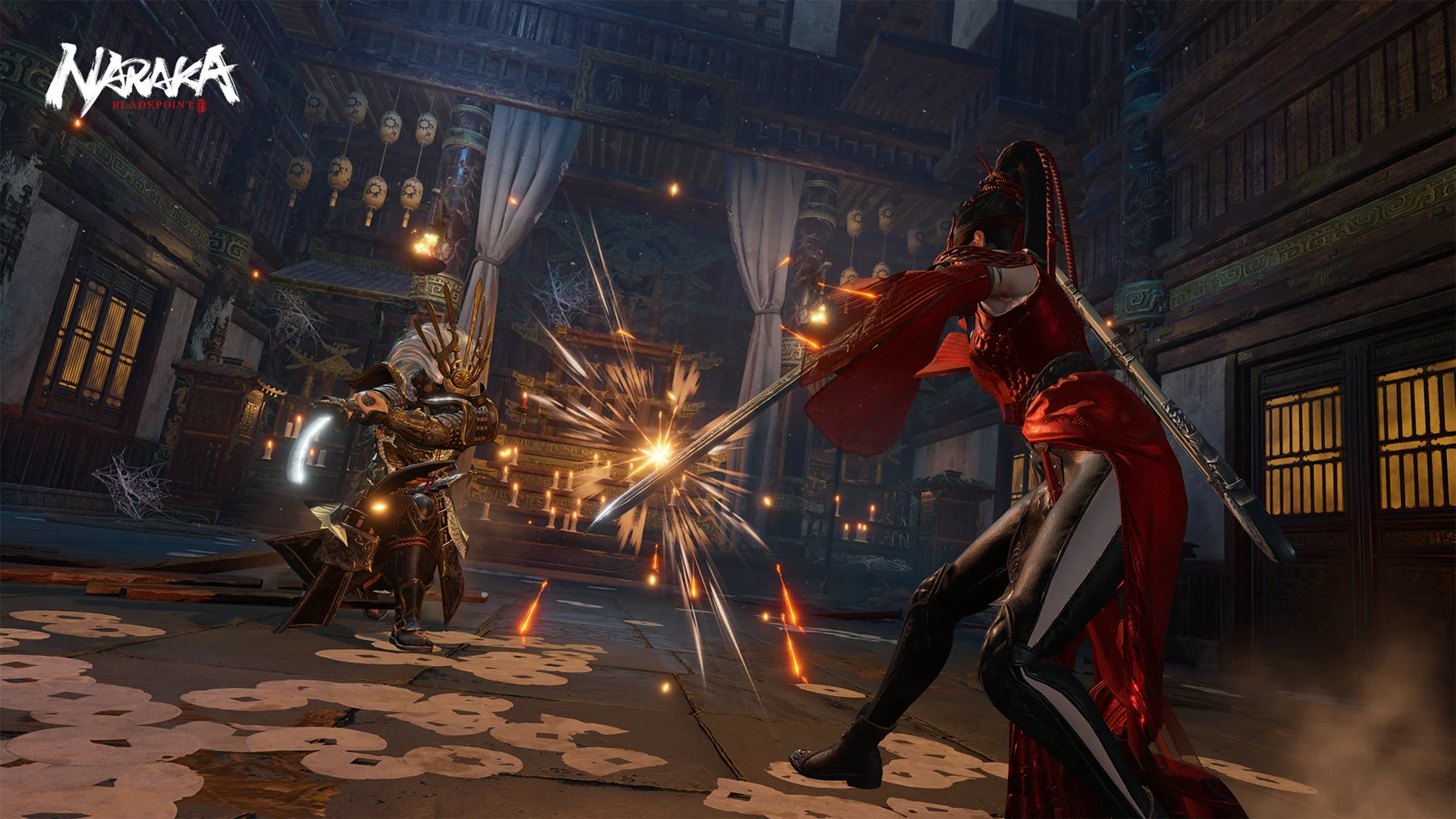
The image above captures the game’s attraction and its problem. The strike is spectacular, but the spectacle only matters if the player understands the decision that caused it. NARAKA keeps players when the effects reveal timing. It loses them when the effects hide it.
My verdict: its greatest export was not a hero, but a half-second
NARAKA: BLADEPOINT deserves a dedicated page because it accomplished something larger than “a Chinese game became popular.” It made a particular martial half-second globally legible: the instant when one player commits and another decides whether to interrupt, evade or reverse.
That is a small piece of wuxia, but it is real. The grappling line turns pursuit into fantasy. The parry turns prediction into drama. The weapon silhouette turns distance into character. The game travelled because those ideas survive translation.
Begin for free, choose one weapon and judge the game by the duel before judging its shop. If the moment of reading another body starts to feel exciting rather than impossible, NARAKA has done its work. If you want a more authored single-player path where folk horror and bodily modification carry the pressure, continue to our Phantom Blade Zero review.
For a wider route through studios, genres and current Chinese releases, continue through the East Moment Chinese games guide rather than treating one successful battle royale as the whole industry.