History of Chinese Culture: A Chronological Guide
Trace the history of Chinese culture through texts, objects, belief, craft, migration and change, from early states to the present day.
Read the deep guide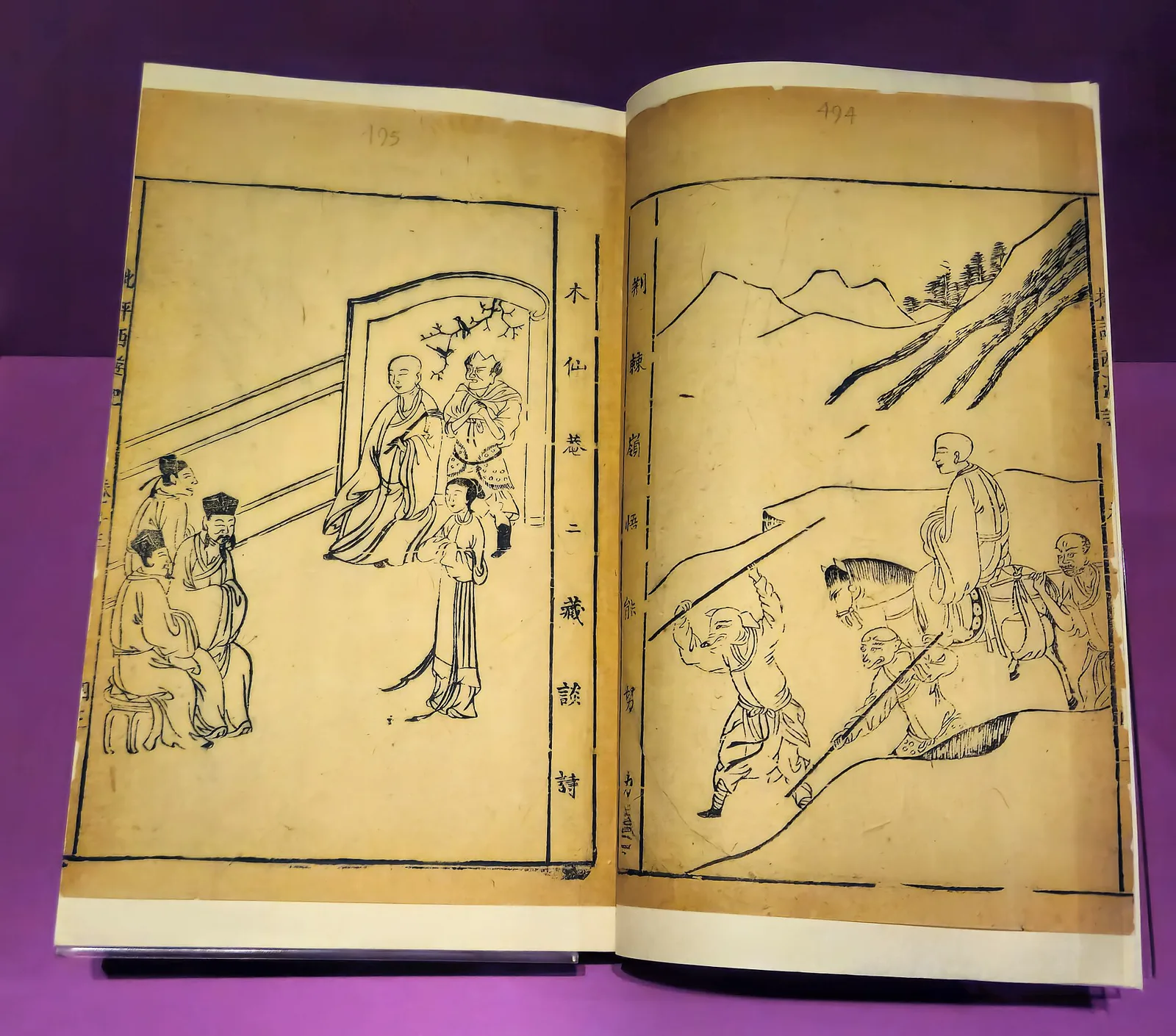
Object · institution · rupture · living memory
Chinese cultural history traced through objects, institutions, stories and ordinary practices without compressing several millennia into a single timeless tradition.
Follow what changed and what survived5 published guides across 5 core paths.
Follow the carrier, rupture and reinvention
The history of Chinese culture cannot be told as one ancient essence surviving unchanged. Texts were edited, objects moved, institutions rose and collapsed, religions adapted, families migrated and ordinary people rebuilt meaning after rupture. Follow the carrier and the conflict; continuity becomes credible only when change remains visible.
Catalogued books and editions provide material evidence for how texts, knowledge and institutions travelled through Chinese history. Library of Congress Chinese Rare Book Collection
Published guides, organized by intent
A collection page must do more than list recent posts. Choose the question that brought you here, open a focused guide, then keep moving through works, people and related cultural context without returning to search.
1 published guide
Texts, objects, institutions, migration and digital networks carry culture differently. The chronological guide keeps dates useful while refusing the fiction that every region and community moved through history in one rhythm.
3 published guides
The Analects, porcelain and Journey to the West survived because people copied, fired, traded, translated, performed and reinterpreted them. Continuity here is labor, not magic.
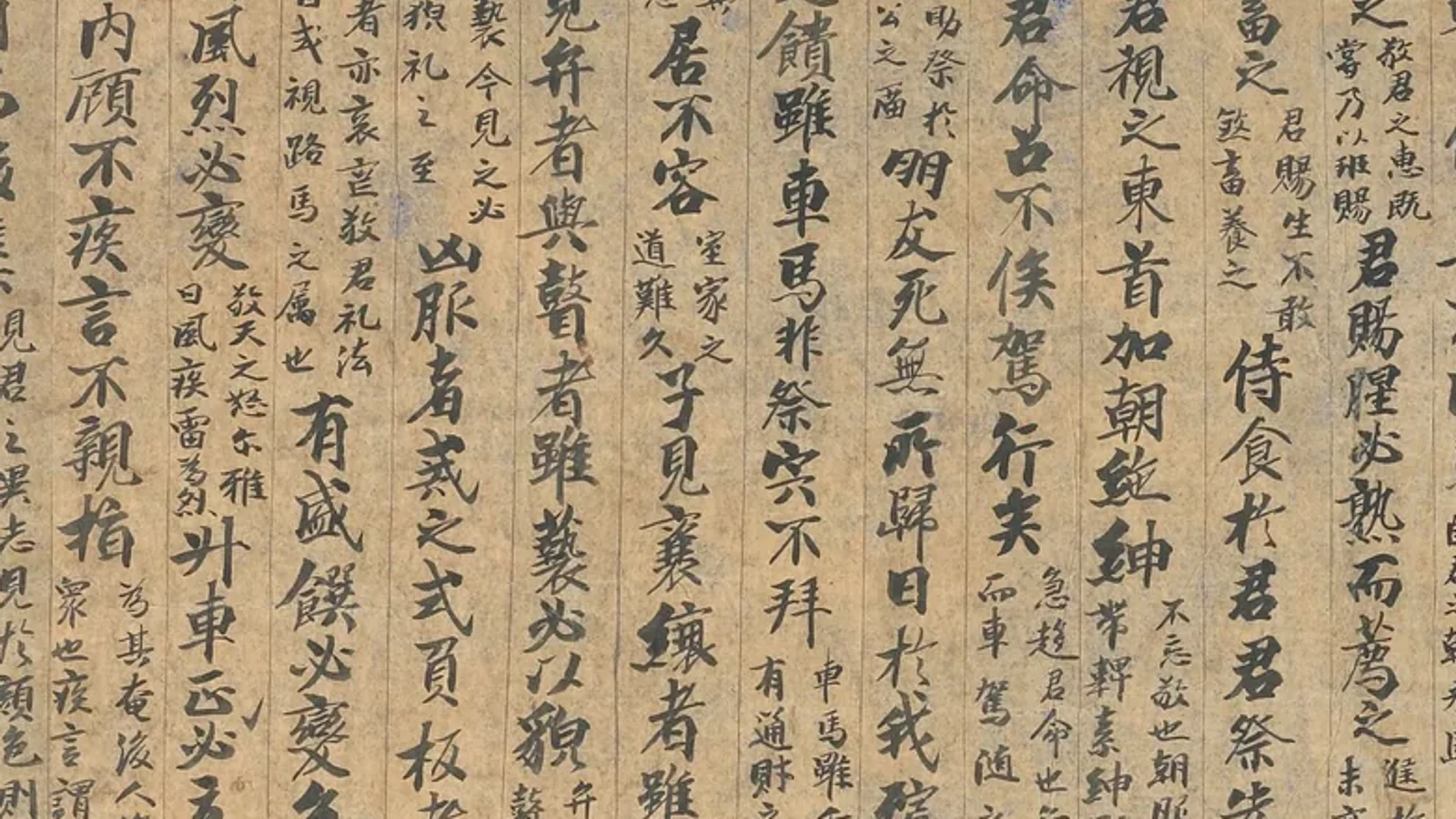
Read the Analects of Confucius as a layered classroom: identify speakers, compare tailored answers, test translations and follow a practical route through all 20 books.
Read the deep guide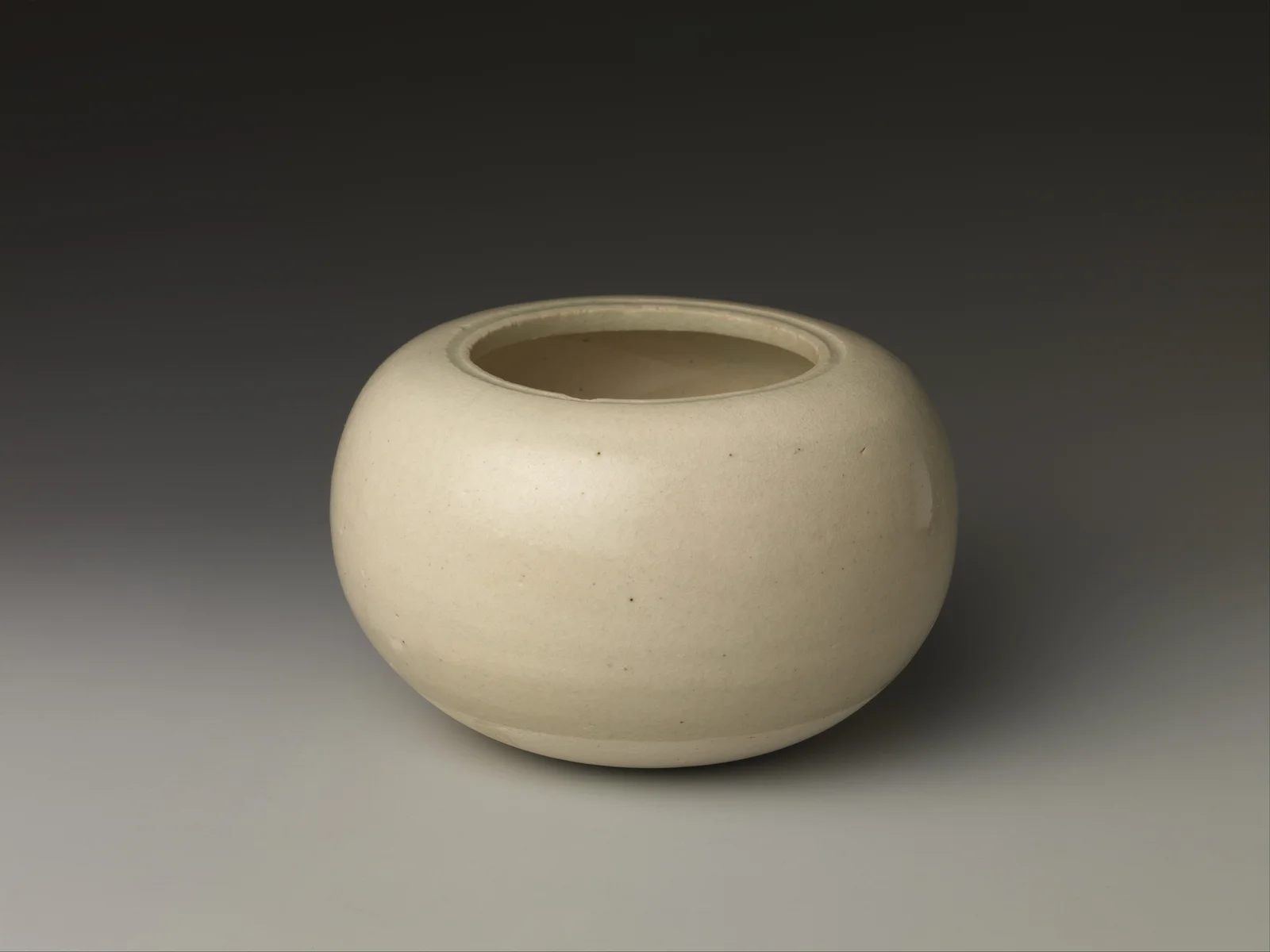
Trace Chinese porcelain from early white wares through Song kilns, Yuan cobalt, Ming markets and Qing enamels. Real objects explain what changed—and what survived.
Read the deep guide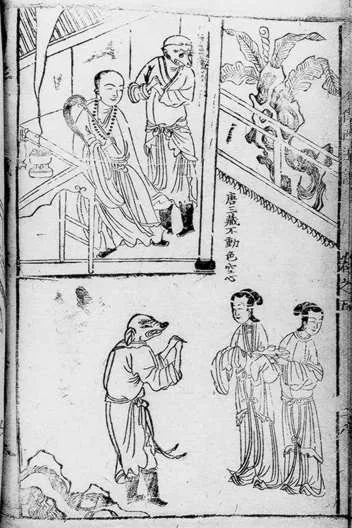
Understand Journey to the West through Sun Wukong, Tang Sanzang, Pigsy and Sandy: the story, characters, meaning, religion, adaptations and best reading route.
Read the deep guide1 published guide
Farewell My Concubine makes stage training, political rupture and private identity collide. Film cannot substitute for a historical archive, but it can reveal what a clean timeline often removes: bodies paying for history.
Carrier, rupture, reinvention
The history of Chinese culture is not a dynasty list and not an unbroken five-thousand-year personality. Culture survives through carriers: a copied text, a family ritual, a kiln recipe, a rebuilt temple, a melody, a garment, a migration route or a story retold for a new audience. Every carrier changes under pressure. War, state policy, trade, religious translation, technology and ordinary desire break old arrangements and create new ones. Continuity becomes meaningful only after the rupture is named.
A long historical record does not produce one continuous culture by itself. Political territories changed, spoken languages diverged, populations moved, dynasties reorganized institutions and communities absorbed ideas and practices from beyond their borders. The category Chinese was itself made and remade through these processes. Any account that starts with an eternal national essence has already converted history into a conclusion.
Continuity is nevertheless real where transmission can be traced. Characters were copied across media and educational systems. Classical texts accumulated commentaries. Ritual forms were standardized, challenged and revived. Ceramic technologies travelled through kilns and markets. Stories such as Journey to the West entered opera, print, film, television, games and animation. The later version is connected to the earlier one precisely because adaptation remains visible.
I do not find rupture embarrassing. Rupture is where human agency enters. People decide what to preserve when institutions fail, what to abandon when inherited rules become cruel and what to reinvent when new media create another audience. A history without those decisions is not respectful. It is taxidermy.
Catalogued editions and physical books show transmission through specific objects; they do not justify a timeless story without intervening history. Library of Congress Chinese Rare Book Collection
The Analects is not a recording placed untouched in storage. Its received form, commentarial traditions, educational use and translations shape what different readers call Confucius. The same principle applies across canonical literature: preservation involves selection, and selection creates authority. The history of a text includes the institutions that decided it was worth copying.
Print transformed scale and access while creating new commercial and editorial pressures. Rare-book collections reveal paper, format, illustration, ownership and edition history—evidence that ideas travelled through material systems. Digital scans now widen access again, but the screen can make every page look equally immediate. Metadata and edition context remain part of reading.
My rule is to distrust the floating quotation. A sentence detached from work, chapter, translator and historical use becomes available for any purpose. Reattach it. Ask who preserved it, which version is being cited and why this generation wants it now. The answer often reveals more than the sentence alone.
Porcelain history becomes concrete through clay preparation, kiln technology, glaze chemistry, fuel, firing failure, workshop organization and trade. A famous ware name is not a floating aesthetic. It belongs to material conditions and later systems of collecting that may rename, imitate or elevate the object.
Objects also move. Export porcelain was shaped by overseas demand, translation between visual conventions and the economics of shipping. Museum collections preserve important works while changing their social setting. An object made for use, ritual or status enters a display case and acquires another history: excavation, purchase, collection, conservation and interpretation.
This is why East Moment's visual method begins with what can actually be seen. A glaze surface can support a claim about color and texture. A base mark can support transcription. Neither proves provenance, date or authenticity alone. Historical writing becomes trustworthy when visual excitement does not outrun the evidence.
A living story cannot remain identical while moving from novel to opera, television, animation, film and game. Each medium chooses what the audience can see, control and remember. Sun Wukong may become comic rebel, spiritual problem, action hero, childhood companion or game protagonist. Those versions are not equal, but adaptation is not automatically decline.
The historical question is what each period selects. A television series may create a shared generational image. A game may turn mythic trial into player skill and environmental exploration. A film may compress religious and satirical layers into spectacle. The loss matters, and so does the new relation the work forms with its audience.
I would rather argue over a bold adaptation than praise a lifelessly faithful summary. Fidelity to plot can miss the energy of the original; invention can discover it under new conditions. The past survives when creators understand what they are changing and audiences care enough to notice.
Palaces, archives, school curricula, museums, films and family stories preserve different pasts. Official institutions can document scale and chronology while excluding ordinary experience. Personal memory can restore texture while confusing dates or generalizing one household. No source type is sufficient alone. Historical depth comes from placing them in tension.
Modern identity intensifies the pressure. Heritage can become tourism, diplomacy, commercial design or a defence against humiliation. Those uses do not make it false, but they change the question. When an ancient object appears in a new campaign, ask what historical layer has been selected, which contradiction disappeared and what emotion the selection is meant to produce.
The history of Chinese culture should leave a reader less impressed by age and more attentive to transmission. Ask who carried the practice, what it cost, what changed and why someone still wants it. That method honours the past without surrendering the present to it.
A dynasty list gives time names but rarely explains how culture moved. Follow a carrier instead: a manuscript copied in another script, a kiln technique transported by workers, a ritual reorganized by a state, a recipe altered by migration, or a story remade for opera, television and games. The carrier has a body, institution and cost. It can preserve knowledge, distort it, widen access or make one regional form appear national. History becomes intelligible when movement and selection replace the fantasy of an untouched inheritance.
Rupture belongs in that story. War, conquest, political campaigns, market change, urban demolition, museum collecting and new media have all interrupted cultural practice. Continuity does not mean nothing broke. It means people rebuilt with incomplete materials, changed names, new institutions and arguments about what deserved to survive. I distrust celebratory timelines that turn every loss into inevitable progress. Grief, opportunism and invention can occupy the same object.
An international reader should therefore ask four questions of any historical claim: which place and period, who produced the record, what material survives, and who benefits from calling the practice ancient or continuous? A court document and a family memory answer different questions. An excavated object proves existence, not universal use. A modern reconstruction can support education while concealing the absence of original fabric. Precision does not make history cold. It gives past people back their disagreements.
History should sharpen the present rather than sit above it. Knowing that a garden view was composed through movement changes how we walk through Suzhou. Understanding maritime trade changes what a blue-and-white vessel says about Chinese and global desire. Recognizing how forms of address encode hierarchy changes the sound of a drama subtitle. The fact earns its place by altering perception. A paragraph that ends only with a date has not finished its job.
This also sets a limit on analogy. We cannot make an old concept relevant by attaching it to every modern problem. Confucian language, imperial institutions, jianghu ethics and festival customs have histories that resist motivational quotation. Compare mechanisms, not decorative resemblance. Name what survived, what changed and what cannot be carried across without distortion. The present deserves honest history; the past deserves protection from our appetite for easy lessons.
Bring one object, place, phrase or family practice whose history feels uncertain. State what you know, what you were told and where the evidence stops. That gap is not embarrassment; it is the beginning of useful collective research. East Moment will return when a better museum record, translation, photograph or lived account changes the line. The reward is not final certainty. It is a more exact relationship between memory and proof.
Periodization must remain a tool rather than a cage. Dynasty names can orient law, institutions and material production, yet borders, communities and technologies do not change on command at the first day of a reign. Regional time moves unevenly. A new court style may coexist with older village practice; an imported material may transform one port long before another place encounters it. The clean timeline belongs to the chart. The page has to restore overlap.
Public history adds another layer. Museums, schools, television dramas, tourism projects and digital archives choose which objects and stories become easy to see. Their work can preserve extraordinary evidence and can also create a smooth national narrative from contested fragments. Use institutional records seriously without treating display as neutrality. Ask why this object is here, what is absent and how the present exhibition changes the past it claims to reveal.
Historical scale must also stay proportionate. A single household account can reveal texture without representing a province. One imperial rule can define an official ideal without describing every life beneath it. A surviving object may be exceptional precisely because ordinary things disappeared. The writer's job is not to inflate the evidence until it sounds important. It is to show why the narrow evidence changes one larger question and where the inference must stop.
Reader-built field guide
Choose a text, object, ritual, song or story. Name the period, the rupture and the person or institution that remade it instead of claiming unchanged continuity.
What this builds: We will connect strong trails across objects, cities and media as new evidence and interpretations appear.