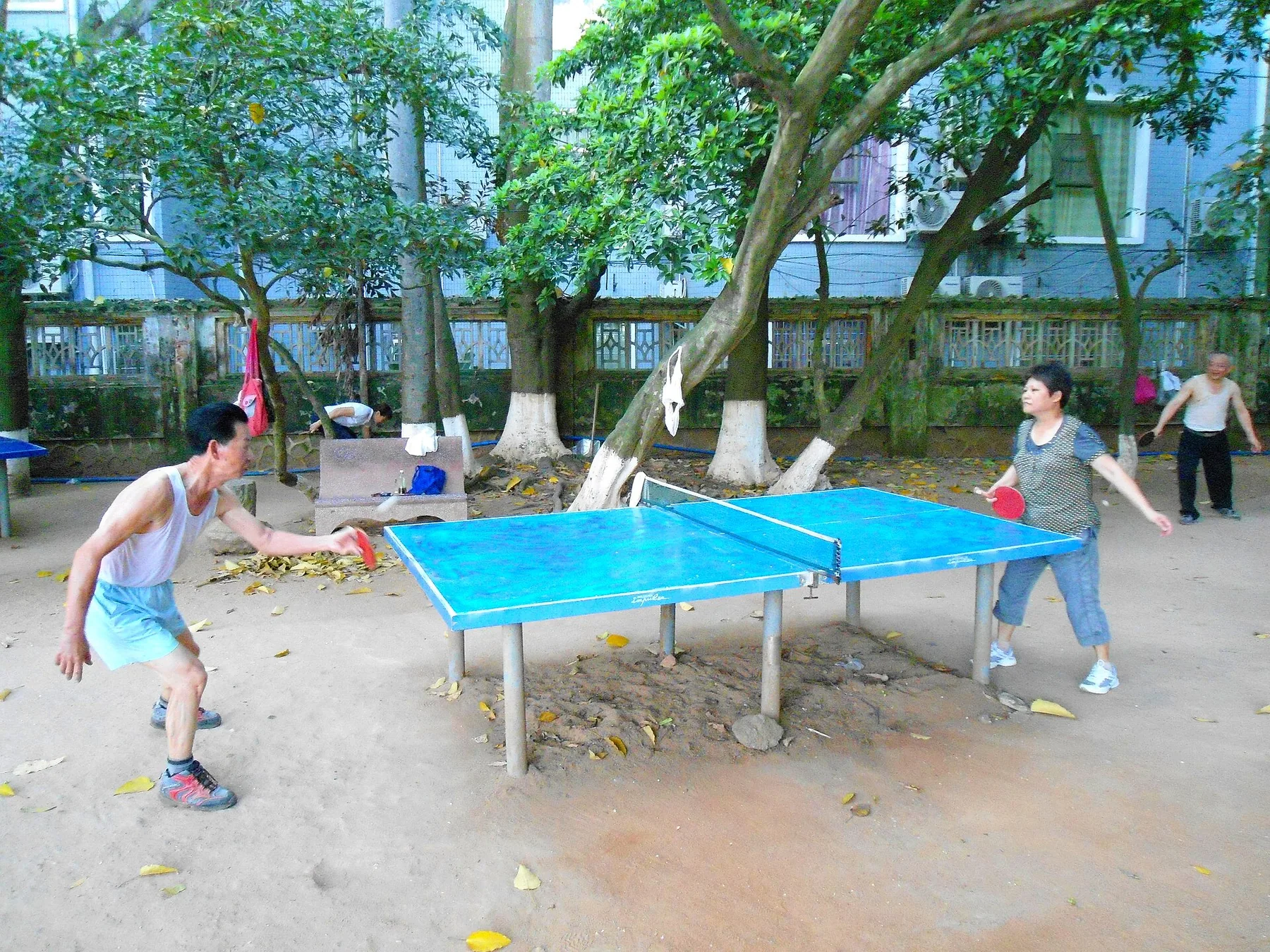
Table Tennis in China: The Table Is a Social System
Understand table tennis in China through public tables, school repetition, specialist training and social rules, not medals or myths of natural talent.
Read the deep guide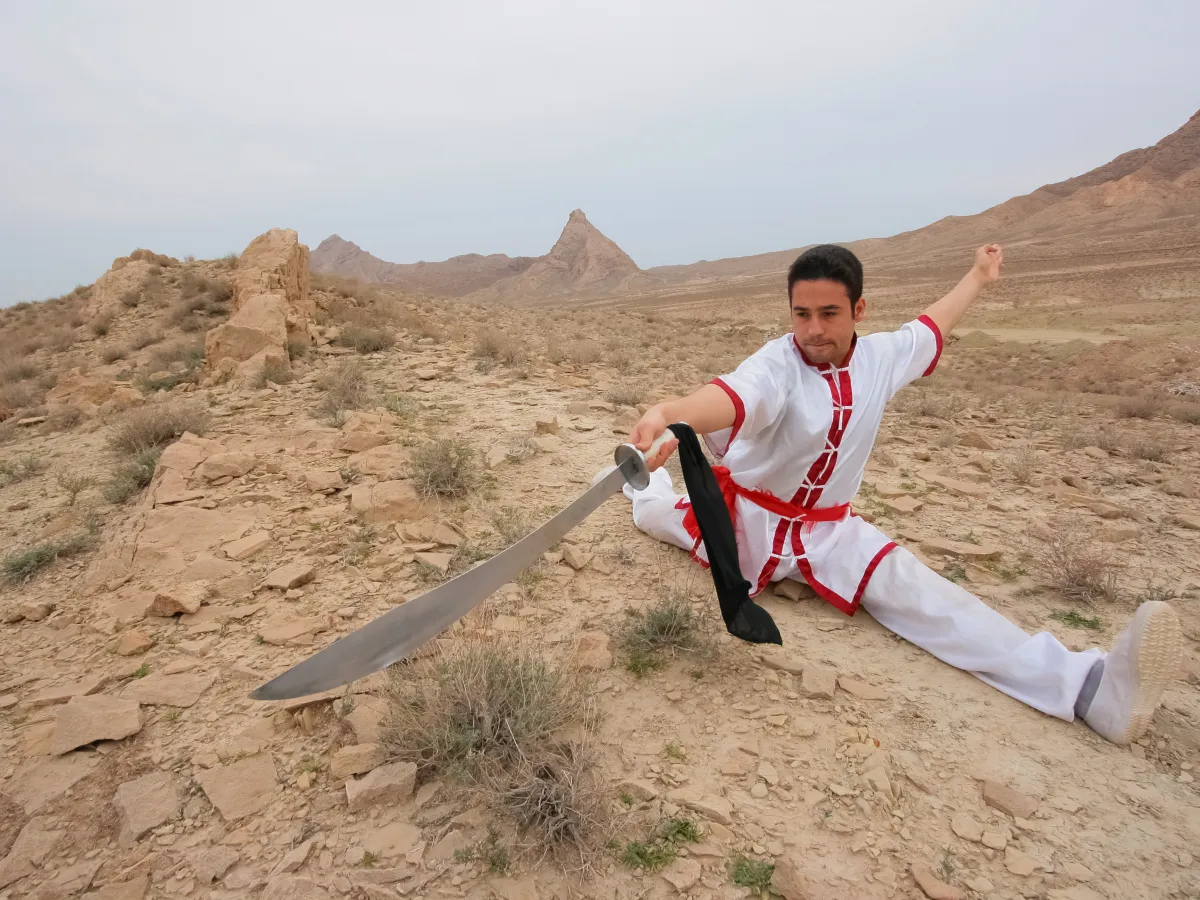
Training · competition · fandom · ordinary bodies
Chinese sports through athletes, leagues, street participation, esports, traditional movement and the communities gathering around competition.
Choose the kind of movement8 published guides across 6 core paths.
Look beyond the medal table
Chinese sports cannot be read from Olympic totals alone. Park tai chi, wushu training, football fantasy, esports teamwork and the screen stories that turn movement into public memory all shape how people participate. The useful route begins with the body repeating something—not with a nation congratulating itself.
Official competition records and the international structure behind one of China's most deeply lived sports. International Table Tennis Federation
Published guides, organized by intent
A collection page must do more than list recent posts. Choose the question that brought you here, open a focused guide, then keep moving through works, people and related cultural context without returning to search.
3 published guides
A public table, crowded court and borrowed patch of air create three different invitations. Follow how access becomes repetition, where coaching and competition connect, and why visible popularity never proves one smooth pathway.
Understand table tennis in China through public tables, school repetition, specialist training and social rules, not medals or myths of natural talent.
Read the deep guide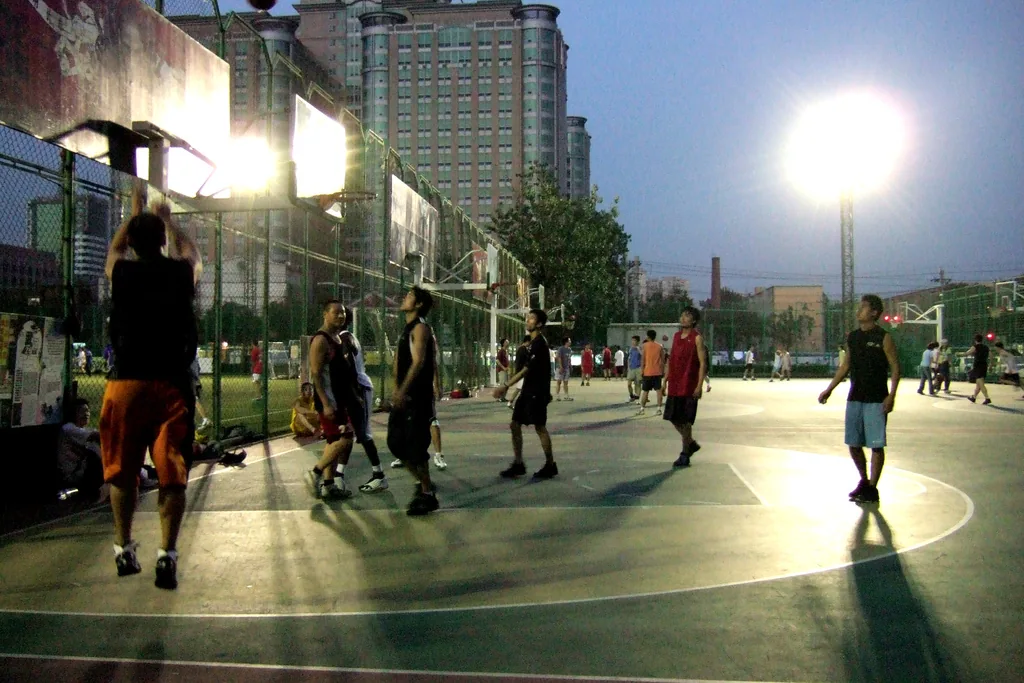
Understand basketball in China through public courts, school play, coaching gaps, the CBA and 3x3, not a generic NBA history or another-Yao-Ming debate.
Read the deep guide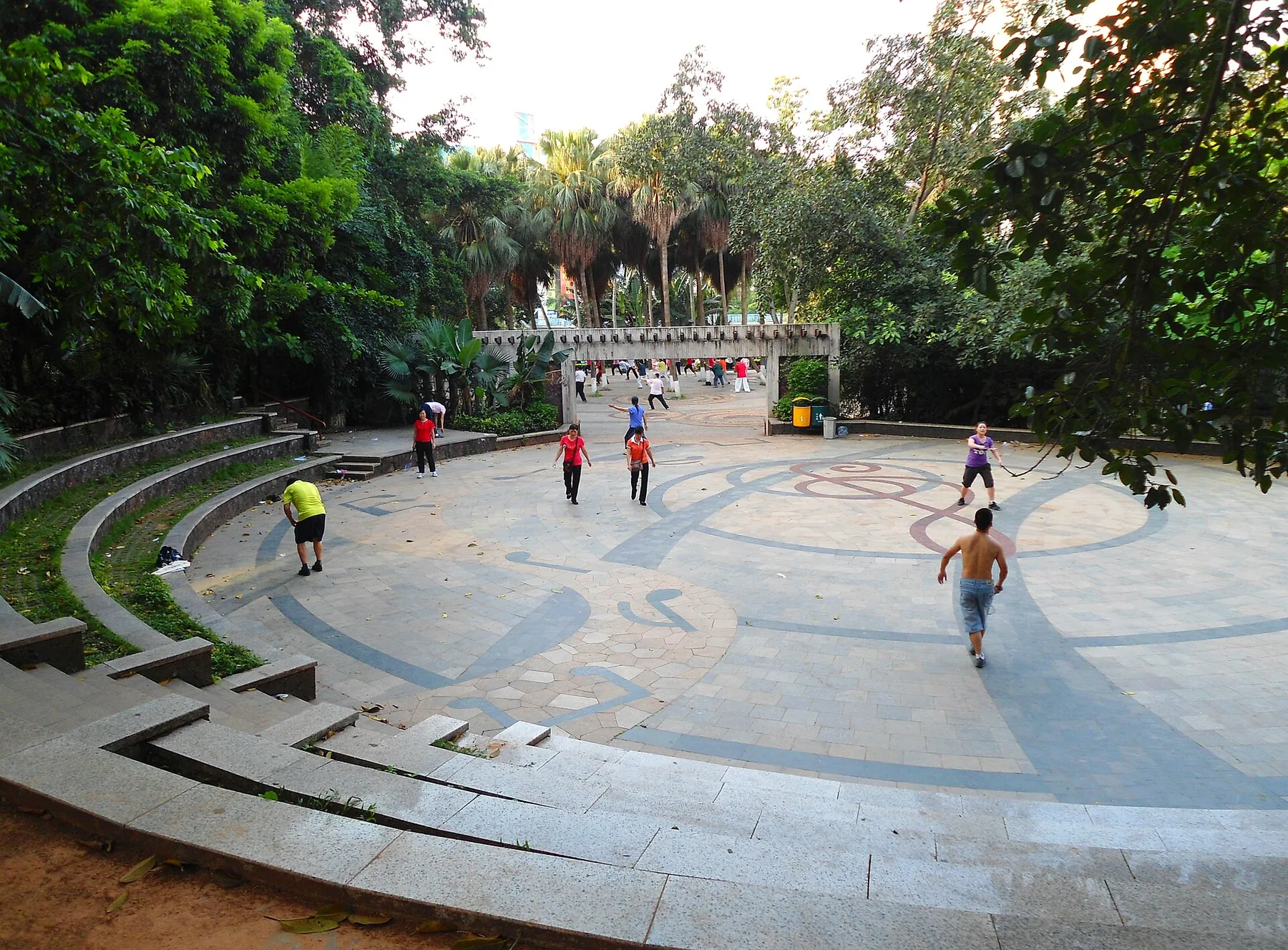
Understand badminton in China through flexible public space, doubles companionship, court limits and elite technique, with a practical way to join the game.
Read the deep guide2 published guides
Wushu competition, tai chi practice and the wider martial-arts field carry different purposes, institutions and standards of evidence. Movement becomes culturally legible when we see who trains, where repetition happens and what the body is being prepared to do.
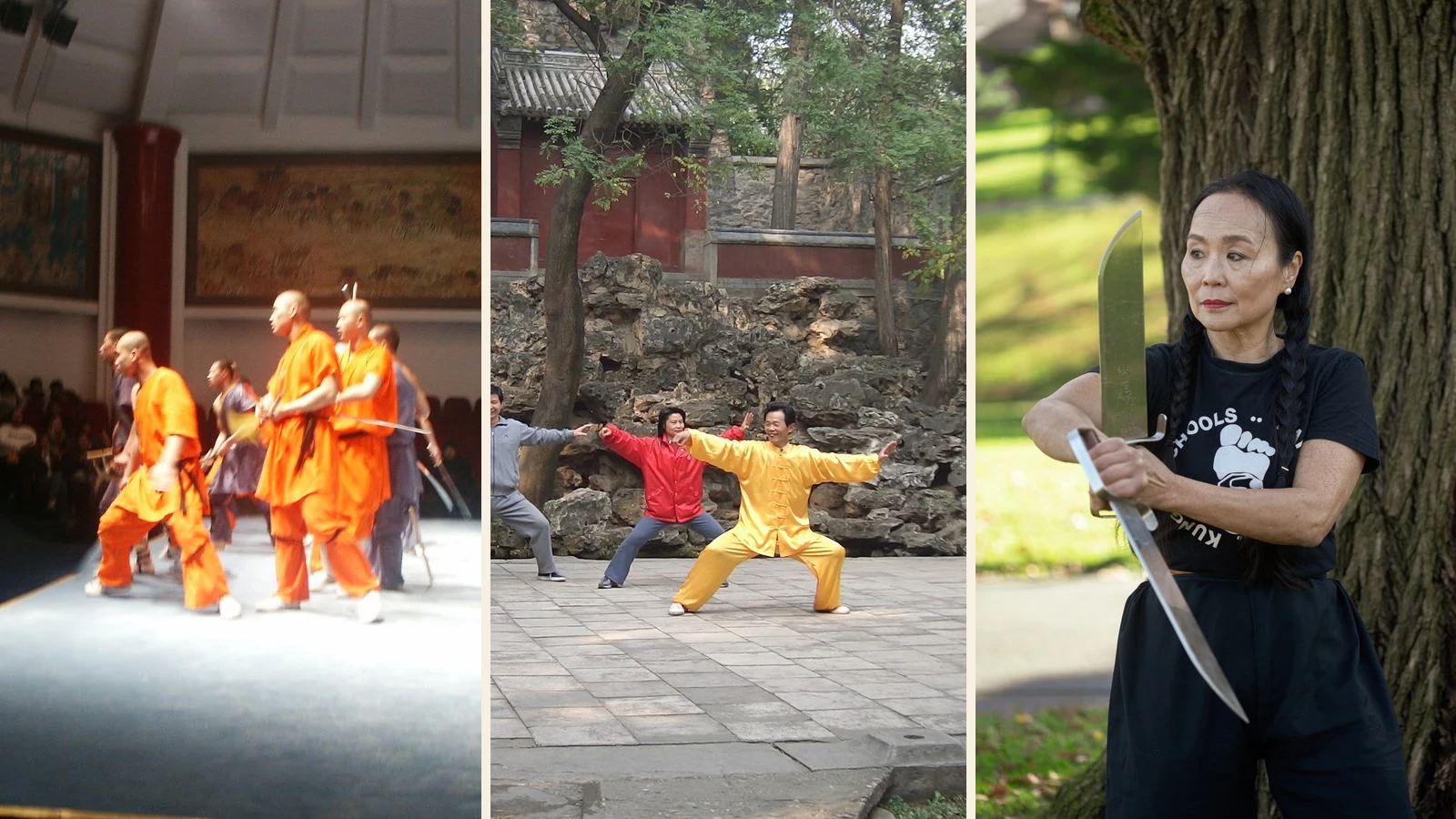
Wushu explained through its two competitive arenas: taolu routines and sanda fighting, with a clear guide to events, judging, culture and what each discipline proves.
Read the deep guide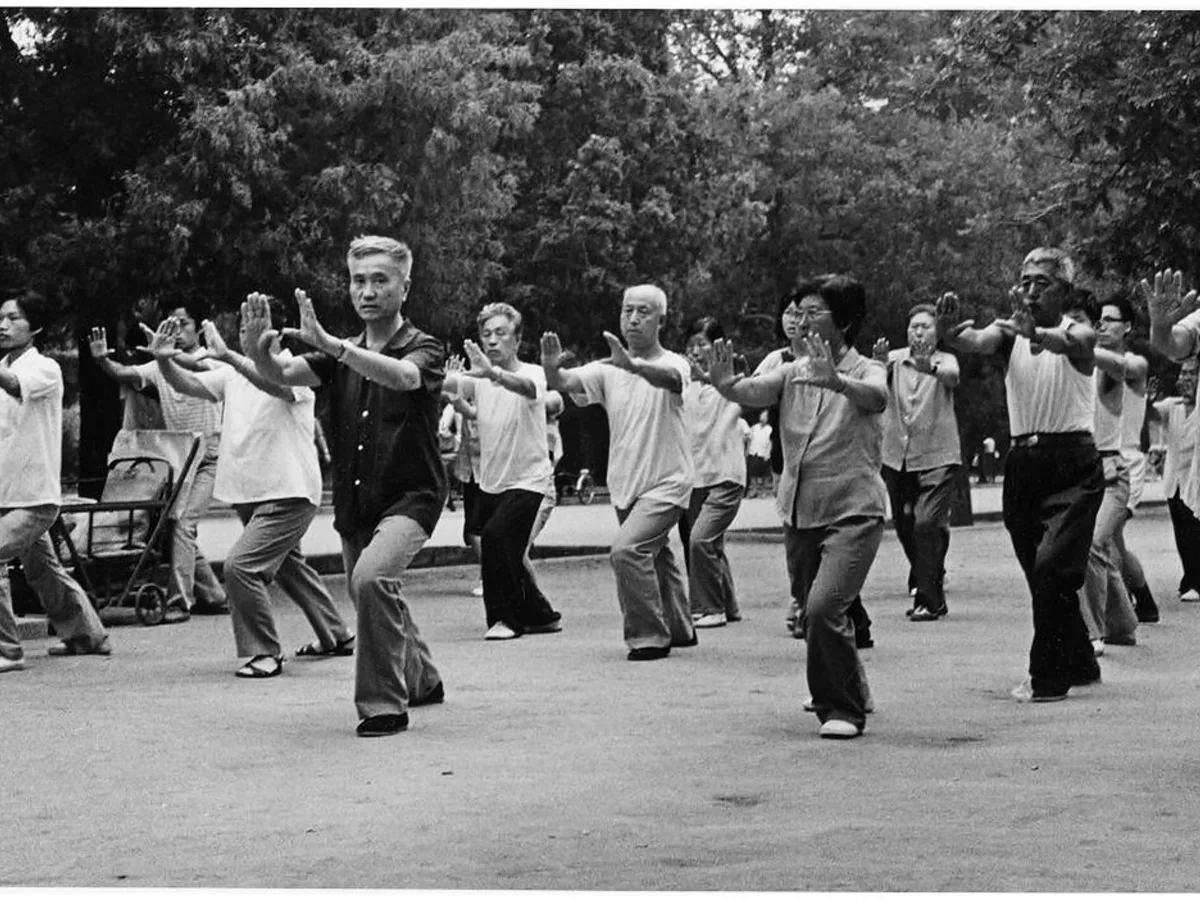
What is tai chi? Explore its Chinese martial roots, major styles, movement principles, modern practice and cultural meaning without exaggerated health claims.
Read the deep guide3 published guides
Shaolin Soccer turns teamwork into comic physical fantasy; esports stories make coordination, burnout and fandom visible. They are not records of real competition, but they are evidence of the feelings audiences attach to teams, training and public victory.
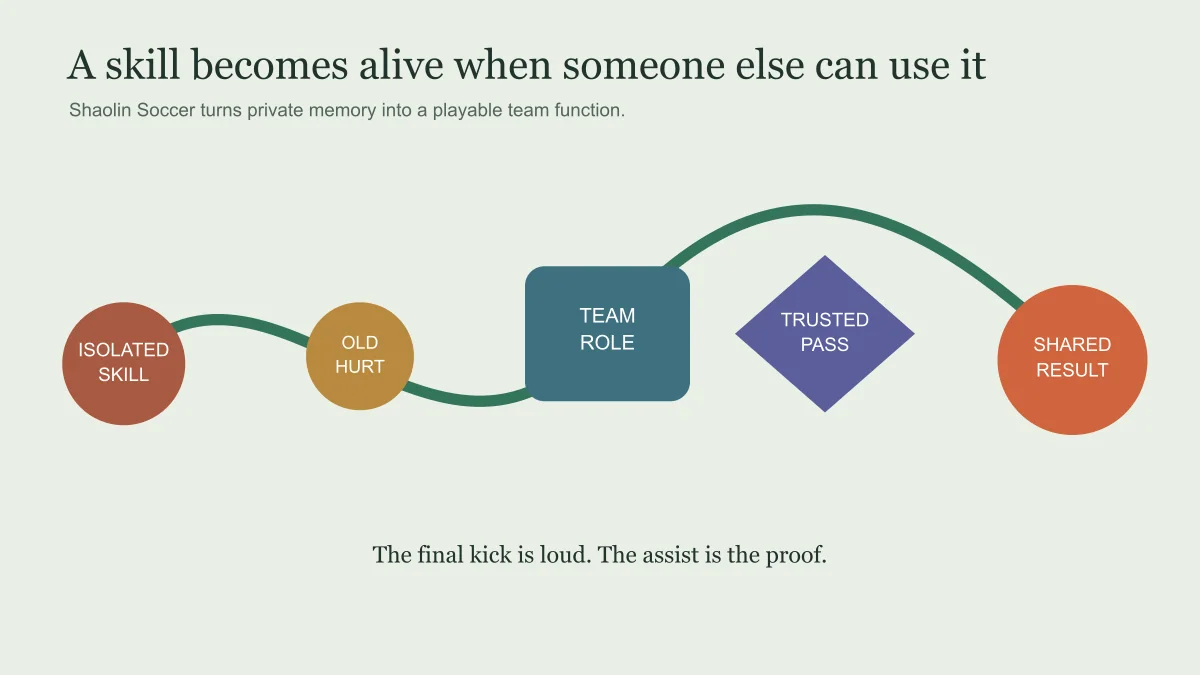
Understand Shaolin Soccer's story, cast, comedy, versions and ending—and why Stephen Chow makes teamwork, not kung fu, the film's real superpower.
Read the deep guide
Is Falling Into Your Smile worth watching? My review of 你微笑时很美, Tong Yao, Lu Sicheng, ZGDX, the ending and its limits as an esports drama.
Read the deep guide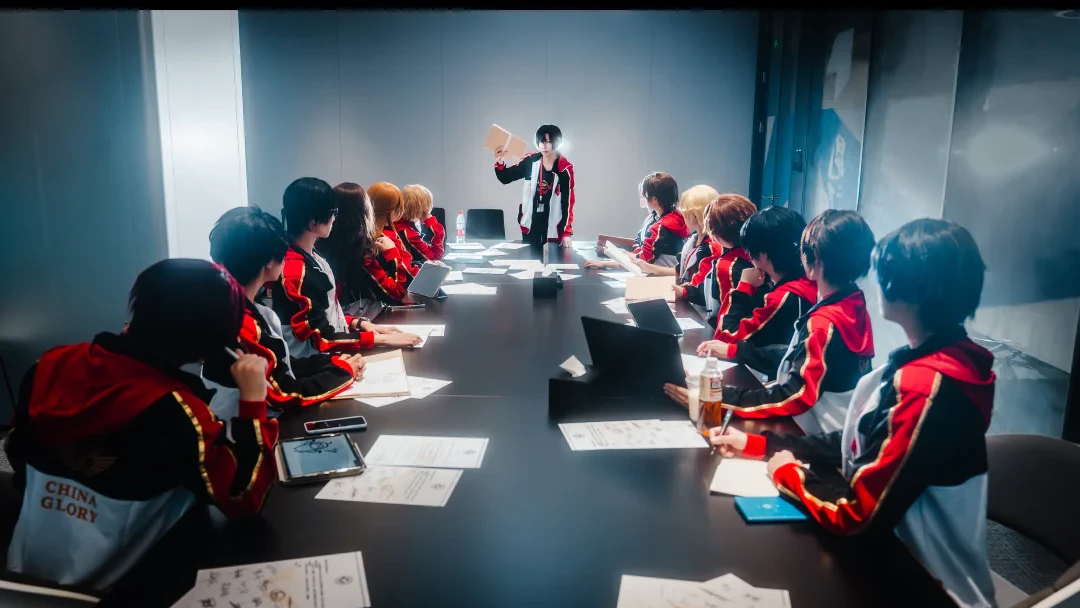
A spoiler-light guide to The King's Avatar donghua: Ye Xiu, Glory, esports pressure, its animated seasons, official viewing route and who should watch.
Read the deep guideBegin at the public court
If you enter Chinese sport through Olympic gold alone, you meet the state before you meet the body. I would rather begin with the hard click of a table-tennis ball in a public park, an auntie correcting a badminton grip, a school gate crowded after class or runners occupying a riverside at night. Elite systems matter. So do the millions of ordinary repetitions that make a sport feel native to a place.
Table tennis and badminton fit Chinese urban life with unusual efficiency. The equipment is relatively compact, games can rotate quickly and skill remains visible across ages. That does not mean every Chinese person plays or that facilities are equally accessible. It means the sports can inhabit parks, courtyards, schools and community rooms in a way a full football pitch cannot. Infrastructure becomes culture through repeated availability.
The public court also carries social information. Strangers negotiate turns. Older players hold local authority. Technique is corrected without a formal lesson. Competition and conversation occupy the same square metres. A photograph of that space can tell us more than a slogan about national fitness because it shows who is present, who waits, who teaches and what time the court becomes alive.
China's elite table-tennis success comes from deep coaching knowledge, selection, domestic competition and institutional continuity. Reducing it to natural talent is insulting. Reducing it to state machinery is also incomplete because athletes still absorb fear, rivalry, injury and expectation in individual bodies. The system produces extraordinary technical refinement. It can also make anything short of victory feel like personal failure.
International competition becomes dramatic because dominance creates its own problem: opponents study the system, fans demand permanence and athletes compete against teammates as fiercely as outsiders. Official ITTF records establish results and structures. They cannot show the private weight of being expected to confirm a national story every time you serve. Sports writing must hold the score and the person together.
Official competition records anchor claims about results and structure; emotional interpretation must stay tied to accountable testimony. International Table Tennis Federation
Chinese football attracts an intensity that cannot be explained by success. That is precisely why it matters. Fans return to disappointment because football carries a global language of city, masculinity, youth, business and national comparison. The gap between investment and performance becomes a recurring public argument about institutions themselves. People are not only asking why a team lost. They are asking why a large system cannot convert resources into trust.
Basketball tells a different story. Courts are easier to insert into schools and neighbourhoods, global leagues circulate through media, and individual style is immediately legible. Yet participation, professional development and commercial fandom still do not form one smooth ladder. Chinese sport is plural because each game has a different relationship with land, education, celebrity and international aspiration.
Chinese martial arts can be lineage, combat training, health practice, performance, cinema language or modern sport. Trouble begins when one form is forced to prove all the others. Contemporary wushu makes athletic difficulty and visual form legible under competition rules. That achievement is real. It does not settle every claim about fighting effectiveness or historical continuity.
I love the precision of a strong wushu routine, and I refuse to defend it with fantasy. The athlete's speed, flexibility and control deserve respect without pretending a scored sequence is an unregulated fight. Clear categories protect the art. They also let readers appreciate how cinema, tourism, national institutions and local schools reshape what 'kung fu' means in different rooms.
Working through East Moment's wushu and tai chi pages made this distinction physical even before I wrote it. Put a sword-routine image beside people shifting weight together in a park: both may be labelled Chinese martial arts, yet the bodies are solving different problems. One image holds explosive extension, line and judged difficulty; the other holds repetition, shared tempo and ordinary return. I do not want one to authenticate the other. I want readers to see enough detail to respect each practice on its own terms.
Mega-events can build facilities and memory. They can also create empty architecture once attention moves on. My strongest measure is humbler: can a child, worker or older person reach a safe place, find companions and return next week? Does the system value lifelong participation or only the bodies most likely to win? Are women visible as athletes rather than symbols? Does defeat produce learning or public humiliation?
Chinese athletes have given the world unforgettable performances, but the country's sporting future will be decided far from podiums. It will be decided in school timetables, public land, coaching behaviour, injury care and the right to play badly without disappearing. The medal is an event. The habit is a culture.
There is another test: what happens after the celebrated athlete retires. Does expertise return to schools and clubs? Can a former competitor build a life without remaining permanently heroic? Are injuries and mental strain discussed only after a crisis? A system that extracts performance but cannot care for the person after performance is not complete. Respecting athletes means making room for fatigue, defeat, ordinary work and a second identity.
Fandom matters here too. Chinese sports audiences can be technically knowledgeable, funny and fiercely loyal. They can also turn a missed point into moral accusation and a partnership into intrusive storytelling. Social platforms intensify the feeling that spectators own the athlete's emotion. They do not. The strongest fan culture protects the right to compete without demanding a perfect national character from every body on court.
Women's sport makes the contradiction especially visible. Female athletes can become national symbols while everyday girls still negotiate appearance, safety, school pressure and access to facilities. Visibility at the top does not automatically produce freedom below. I want to see the entire ladder: the girl borrowing equipment, the coach deciding who is worth patience, the professional controlling her own story and the retired athlete allowed to change. That is a sporting culture, not a poster.
The return of mass running, cycling, skiing and outdoor communities adds another layer. These activities turn landscapes and city edges into sporting infrastructure, but access depends on time, money, transport and safety. A fashionable event can bring new bodies into motion while also turning participation into equipment display. I am not against the spectacle. I simply want to know whether people remain after the branded arch is removed. The honest image is the second, fifth and fiftieth practice—not only race day.
A medal table shows elite outcome and hides the path into motion. Sports become cultural when equipment, space, teaching, school routines, neighborhood courts and public imagination let ordinary people repeat something. Table tennis survives in small rooms and concrete corners because the entry action is visible and socially available. Basketball courts translate global sport into local friendship and rivalry. Park movement creates another tempo of participation. The national achievement matters; the Tuesday habit tells us whether it entered life.
Popular screen stories can widen that doorway and distort it. Shaolin Soccer turns football into comic fantasy and martial imagination. The King's Avatar makes team roles, practice and esports identity dramatically legible. Falling Into Your Smile can attract viewers to competition while sometimes using esports as romance scenery. Representation should be judged by what it teaches the audience to notice: training, tactics, labor and consequence, or merely an attractive uniform around a plot.
Gender and access belong in the same frame. Visibility for a successful athlete can change what a child imagines possible, but inspiration does not build safe facilities, coaching or equal opportunity. Fandom can support athletes and reduce them to nationalist symbols under unbearable pressure. I admire excellence more when the system and cost remain visible. Praise should make us curious about the thousands of repetitions behind one clean result.
Choose one action and learn its constraint. In table tennis, watch position, spin and the reply forced by placement. In wushu taolu, separate flexibility from structure, weapon line and landing control. In billiards, see route planning before the ball drops. In esports, ask who created information and space before the visible finish. The point is not instant expertise. It is respect for the work hidden by highlight editing.
Then keep rules and spectacle separate. A beautiful movement may earn competitive value under one code and serve demonstration under another. A viral clip may omit the failed attempts or the match situation that made the risk meaningful. Official records can establish result and event. They cannot explain the whole experience of training or fandom. The page must connect score to mechanism and mechanism to human cost.
Bring one movement you learned to see differently and describe the preparation before the result. Another reader should be able to watch the same sequence and add a correction. Return during a major event not only for winners, but for changed technique, access and public participation. That is how a sports hub becomes more useful than a news archive that expires when the podium empties.
Fandom is another form of participation. A club, athlete or national team can give strangers a shared language and make excellence emotionally close. The same attachment can turn defeat into personal humiliation and athletes into symbols who are not permitted an ordinary human limit. Strong sports writing protects the joy of caring while refusing that ownership. Criticism should return to tactics, preparation, institutions and public consequence rather than punishing a person for carrying collective expectation imperfectly.
Infrastructure decides which enthusiasm can become practice. Court access, school time, coaching, broadcast, club structure and safe public space shape participation long before elite selection. A country can dominate one event while many residents still struggle to enter it. Connect achievement to the pathway beneath it. That is how sports pages move beyond medals without diminishing the athletes who earned them.
Reader-built field guide
Share a court, park, school or neighbourhood practice. Tell us who returns, how turns are negotiated and what repetition reveals.
What this builds: We will build a people-first map of sporting habits, not another medal table.