Buy Dianhong tea by its intended job and its structure across three infusions, not by the percentage of gold in the dry leaf. A balanced bud-and-leaf Dianhong is the best first purchase for most people because it can combine honeyed aroma with malt, body and a clean finish. An all-gold style earns its premium only when that beauty becomes sweetness and texture in the cup; leafier or broken tea is often the better choice for breakfast strength or milk.
Dianhong tea is a family, not one golden shape
Dian is a traditional abbreviation for Yunnan. Hong comes from hong cha, the Chinese category that English calls black tea. Dianhong therefore means Yunnan black tea, but the name does not specify one picking standard, leaf shape or grade.
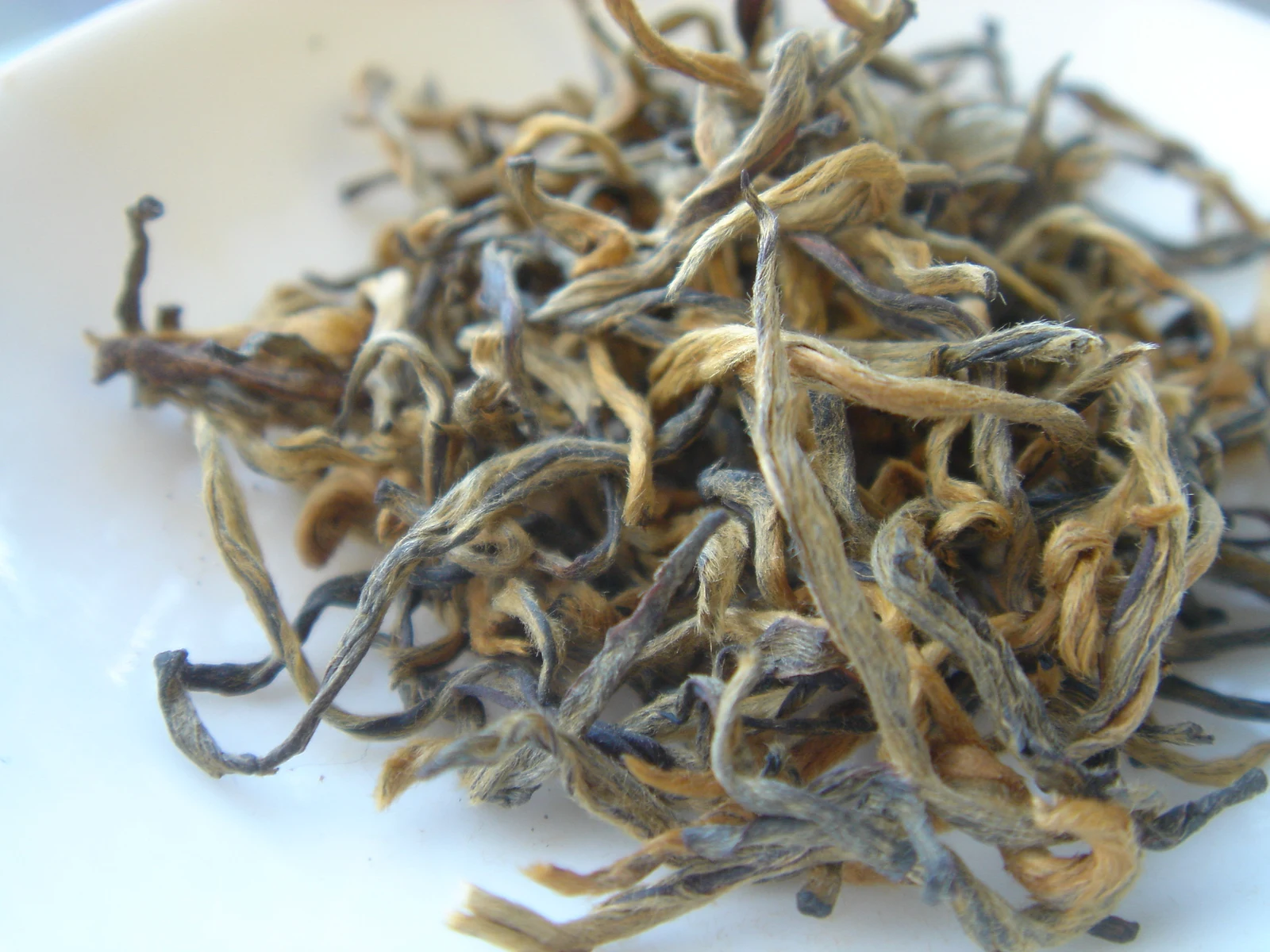
A wiry black-and-gold congou, a nearly all-gold bud tea, a coiled golden snail and a smaller broken grade can all be sold as Dianhong. Retail names such as Golden Bud, Golden Needle, Golden Silk and Golden Snail are useful shape descriptions only when the seller defines them. They do not form one regulated international ladder.
The photograph above has an unusually strong identity record: its creator documented it as a 2007 spring golden-bud Dianhong sample. It shows abundant hairy bud material and darker strands in that one tea. It does not establish how another product tastes, whether it comes from Fengqing, or whether more gold is always better.
Choose the cup you want before the grade name
| Intended use | Start with | What should survive the cup | Main buying mistake |
|---|---|---|---|
| Straight drinking | Balanced bud and leaf | Aroma, malt or fruit, body and a clean finish | Paying only for a gold photograph |
| Soft aromatic cup | Bud-heavy golden style | Sweetness and texture after the first aroma fades | Accepting thin liquor as delicacy |
| Food or breakfast | Leafier congou | Body, briskness and enough aroma to remain distinct | Over-brewing it with bud-tea timing |
| Milk tea | Leafier or broken grade | Concentration and structure after milk is added | Using an expensive subtle bud tea |
| Category comparison | Three visibly different styles from one transparent seller | A clear bud-to-body tradeoff | Comparing unrelated names from unrelated sellers |
This is the central Dianhong decision. Bud content, particle size and shaping change extraction and cost, but none is a complete quality score. A darker leafier batch with malt, fruit and depth is better than a beautiful all-gold tea that becomes warm colored water after its opening fragrance.
What golden tips actually tell you
The gold or orange surface on many Dianhong buds is visible hair on tender material after black-tea processing. A higher gold proportion can indicate more bud material in the pictured sample. That is the end of what appearance can prove by itself.
Gold cannot authenticate:
- Yunnan, Fengqing or a named mountain;
wild,ancient treeor an exact tree age;- harvest date, cultivar or pesticide status;
- sweetness, endurance or clean storage;
- a universal first, special or premium grade.
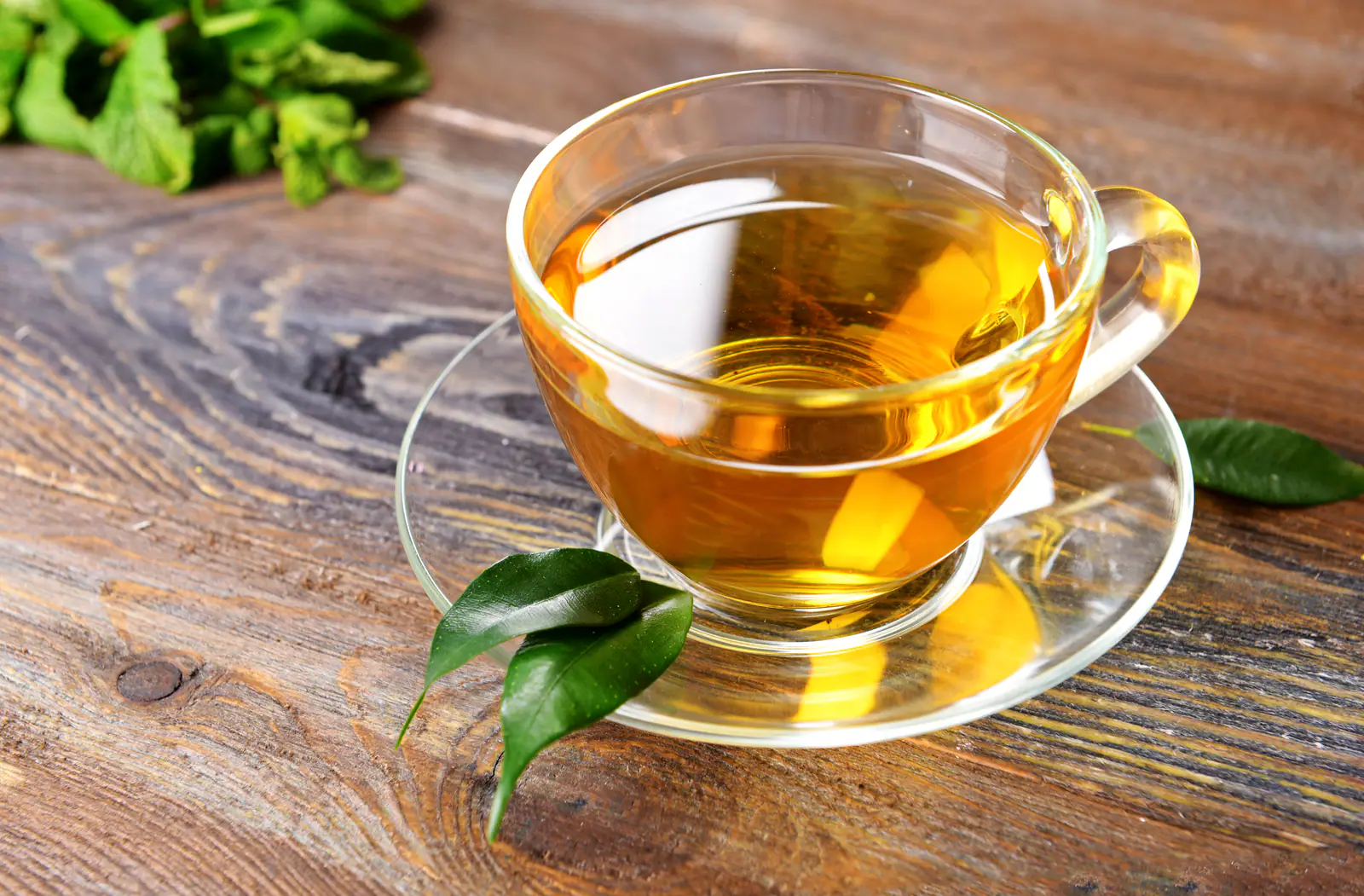
Liquor color has the same limit. This authorized archive image shows clear golden-amber liquid, but color alone cannot identify Dianhong or rank a batch. Cup depth, lighting, water, dose, oxidation and infusion time all alter what the camera records.
Read dry leaf without pretending to authenticate it
Spread 3-5 g on a white plate in neutral light and record what is actually visible.
| Observation | Useful question | What it cannot prove |
|---|---|---|
| Gold-to-dark proportion | Is the material consistent with the seller's bud-heavy or balanced description? | Grade, origin or taste |
| Strand, needle, coil or broken particle | How quickly may this tea extract? | Handmade status or quality |
| Particle-size consistency | Is the lot deliberately sorted or full of incidental breakage? | A protected production area |
| Dust at the bottom | Will the cup likely extract faster or turn cloudy? | That all broken tea is inferior |
| Dry aroma | Is it clean, muted, perfumed or storage-affected? | A named mountain or tree age |
Take one photograph before brewing and another after the leaf opens. If a seller calls the tea whole-bud but the cooled material is mostly larger leaves and stems, the description needs explanation. If the seller clearly calls it leafier congou, those larger leaves are not a defect.
Run one controlled three-infusion test
Use this East Moment household protocol to compare samples. It is a repeatable starting point, not a national standard and not a recipe taken from the cited laboratory studies.
- Use 4.0 g of tea per 100 ml of measured working vessel volume.
- Begin with 92 C / 198 F water.
- Make three complete infusions at 15, 20 and 30 seconds.
- Start timing when water first touches the leaf and pour at the same speed each round.
- Decant completely; do not leave liquor between infusions.
- Taste each cup hot, warm and nearly cool.
If comparing several Dianhong teas, use the same vessel, water, dose, starting temperature and timing. Alternate tasting order. Do not compare a 5 g golden bud sample with a 3 g broken sample and call the result a grade ranking.
| Checkpoint | Question | Failure signal |
|---|---|---|
| Infusion 1 | Is the aroma clean, and does it enter the liquor rather than remain above it? | Perfume, stale cupboard odor or aroma without taste |
| Infusion 2 | Is there enough body, sweetness or fruit to justify the style? | Thin center, rough finish or sweetness that disappears immediately |
| Infusion 3 | Does the tea remain coherent as strength falls? | Hot water, color and no recognizable structure |
| Nearly cool | What remains after heat stops amplifying aroma? | Sour storage odor, dirty finish or aggressive dryness |
| Opened leaf | Does the material broadly match the seller's picking and style description? | A description that cannot account for the visible material |
The second infusion is the purchasing hinge. Cup one can be carried by fragrance, and cup three is naturally lighter. Cup two shows whether gold, shaping and price have become actual body and sweetness.
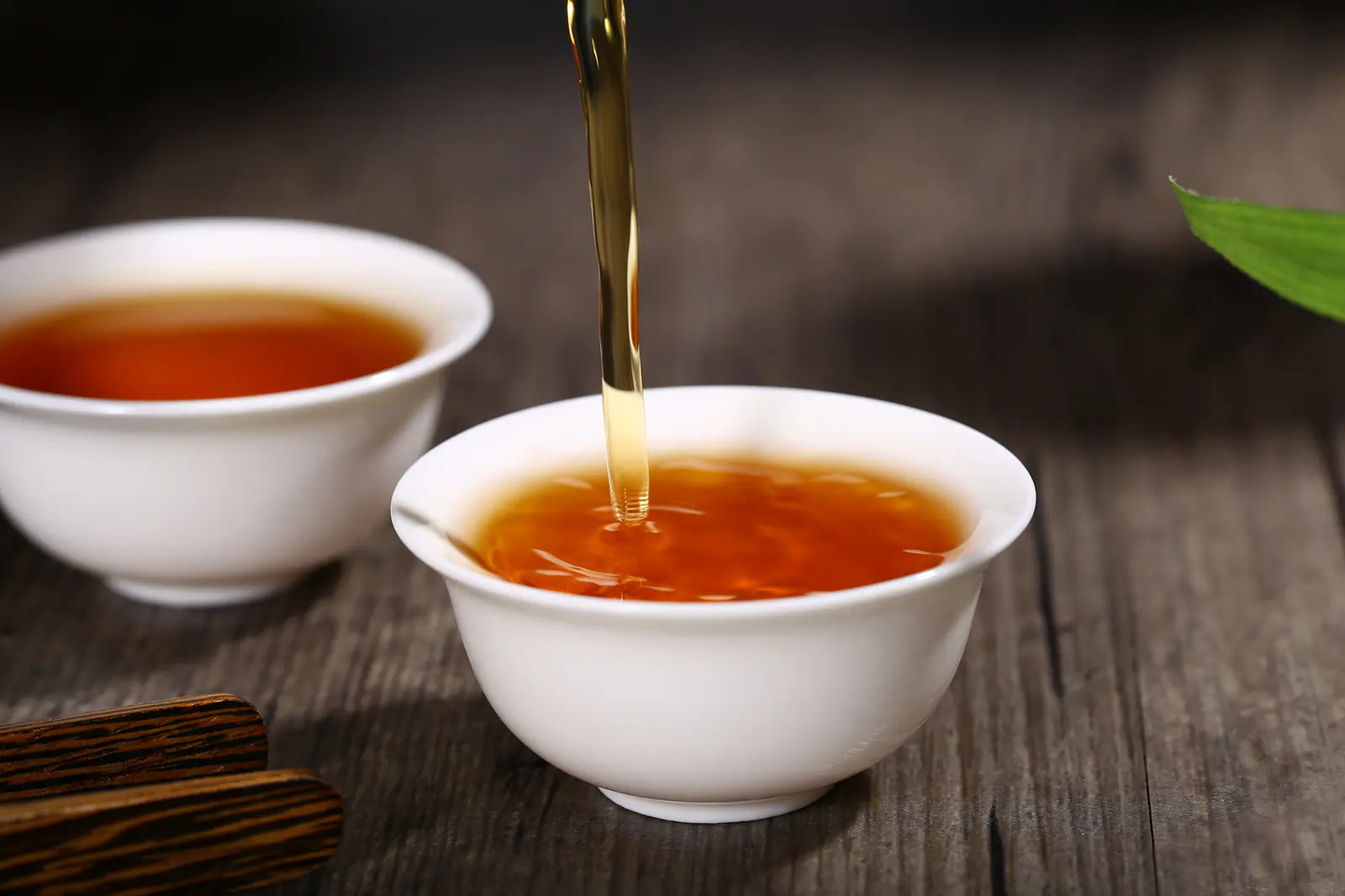
This first-hand image proves a clean pouring action and visible liquor only. It is not a timed Dianhong experiment. Your comparison becomes useful only when dose, water, vessel and contact time are recorded.
Diagnose sourness, roughness and thin liquor one variable at a time
Do not fix every unpleasant cup by lowering the water temperature. Change one variable, repeat the same infusion number and record the result.
| Result | First controlled change | What the result means |
|---|---|---|
| Dry or rough finish | Shorten contact by 5 seconds | Improvement points to extraction pressure, not proof of a bad tea |
| Still rough at shorter time | Lower water from 92 C to 88 C | Improvement shows this sample prefers gentler heat in this setup |
| Thin but clean | Add 0.5 g while keeping time and temperature fixed | Improvement supports a dose correction |
| Strong aroma, hollow liquor | Keep the baseline and judge infusions 2 and 3 | Persistent hollowness is a value failure, not elegance |
| Sour or stale odor that remains nearly cool | Rebrew once with known water and a clean vessel | Persistence points away from a simple timing error; stop and question storage |
| Broken leaf turns harsh immediately | Move to a larger-pot test at lower dose and shorter total time | Broken particles need a different extraction plan, not whole-leaf prestige rules |
Sweet potato or baked-sugar aroma is a familiar Dianhong description and a strong local search signal. It is neither mandatory nor proof of authenticity. A cup can be good without it, and an intense sweet-potato note does not excuse thin body or a dirty finish.
Use a separate method for a mug or breakfast pot
For whole or mostly whole leaf, begin with 3.0 g per 250 ml at 92-95 C / 198-203 F for 2 minutes, taste, then extend in 30-second steps. For a broken grade, start with less time because smaller particles expose more surface and release quickly.
These are East Moment starting parameters, not values prescribed by GB/T 13738.2-2017. Measure the vessel's working volume rather than trusting its catalog capacity. If milk is the goal, test the tea plain first, then add the same measured amount of milk to each comparison cup. Otherwise milk quantity can hide the very difference being judged.
Processing research explains variation, not retail identity
Dianhong becomes black tea through withering, rolling, oxidation, drying and refining. The national record GB/T 13738.2-2017, Black Tea - Part 2: Congou Black Tea supplies category terminology. Yunnan's DB53/T 1351-2025, Technical Code of Practice for Congou Black Tea Processing is a current local technical record. Neither record proves that an untraceable online listing came from Fengqing or an ancient tree.
A 2022 Dianhong Congou study compared mild, appropriate and severe withering. In that experiment, the designated appropriate-withering treatment had the best reported sensory quality and differed in catechin conversion, tea pigments, sugars and volatile compounds. This is useful evidence that withering degree matters. It does not let a buyer identify a treatment from one dry-leaf photograph or transfer the experiment's optimum to every factory and cultivar.
A separate 2017 paper investigated aroma formation during Dianhong baking. Its safe consumer lesson is limited: later heat treatment can redirect aroma, so traditional cannot be reduced to one fixed smell. Roast-like or baked notes still cannot authenticate origin.
The modern history needs a modern boundary
Yunnan's tea history is much older than Dianhong. The modern black-tea category is commonly traced to work in Fengqing in the late 1930s, with experimental production associated with 1938 and commercial production and naming associated with 1939. Those dates describe a sequence, not one ceremonial birthday.
Feng Shaoqiu is prominent in this history, but a market category also required growers, factory workers, sorting, packaging, transport and export networks. The category's twentieth-century origin is not a weakness. It explains why Dianhong was built to convert Yunnan material into a recognizable black tea for modern trade.
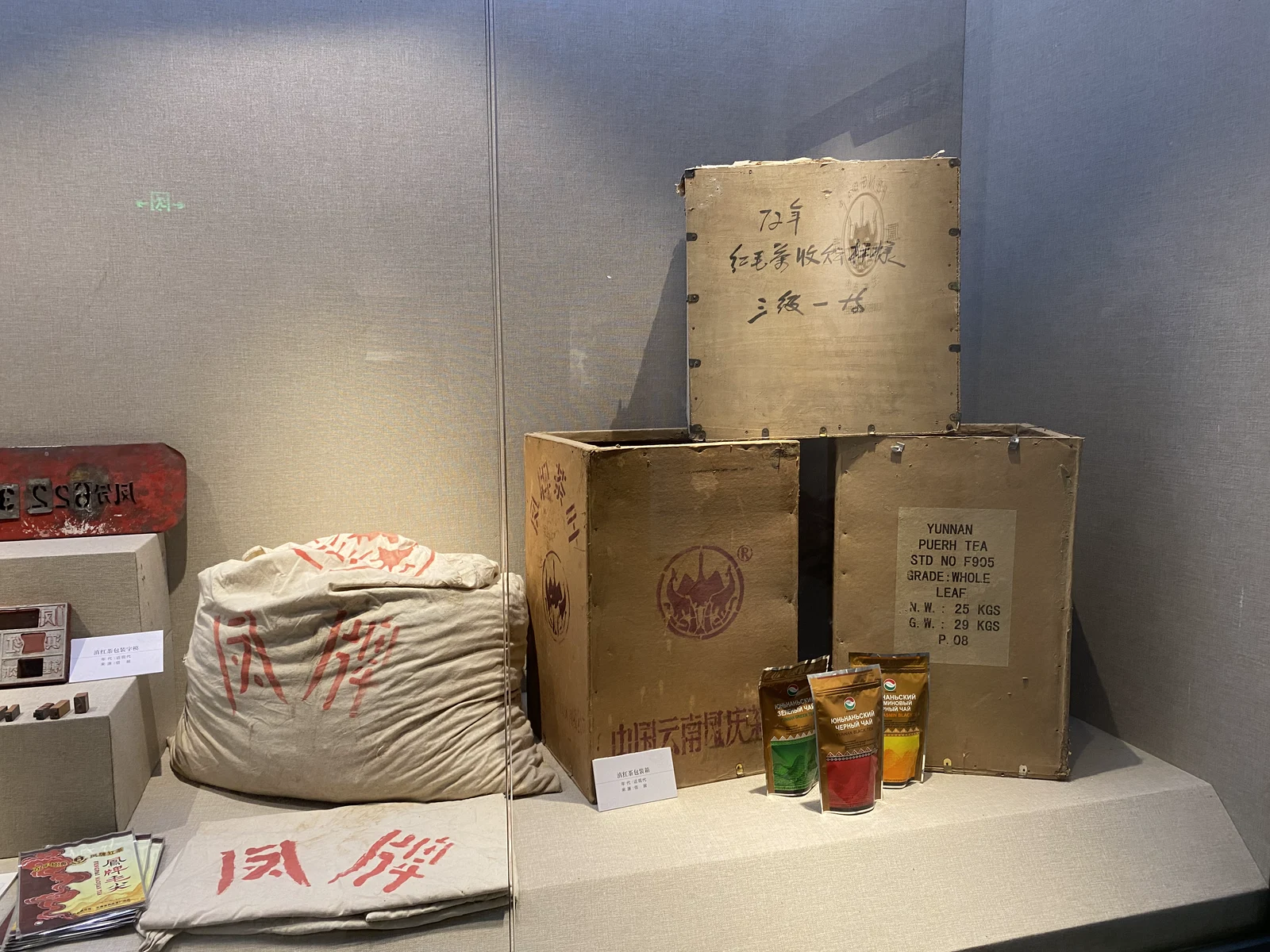
Wikimedia Commons records this 2024 photograph as a display in the Fengqing Dianhong Tea Museum. It documents the museum setting and visible packaging materials, not the production date or contents of every box. The visible Yunnan Puerh Tea marking on one crate is retained rather than cropped away; a museum display should not be rewritten to fit a simpler story.
Ask seven questions before paying a premium
- Which Yunnan production area is claimed, and is Fengqing specifically claimed?
- What harvest year and season are recorded?
- What material or cultivar description can the seller support?
- Is the style bud-heavy, balanced bud-and-leaf, leafier congou or broken?
- What does
Golden Needle,Golden SilkorGolden Snailmean for this seller? - Is the tea intended for straight drinking, repeated small-vessel infusion or milk?
- What evidence supports
wild,ancient tree, exact altitude or exact tree-age language?
Reject a premium claim when the answers collapse into more gold means higher grade. Gold is one visible variable; it cannot answer origin, freshness, storage, taste or value.
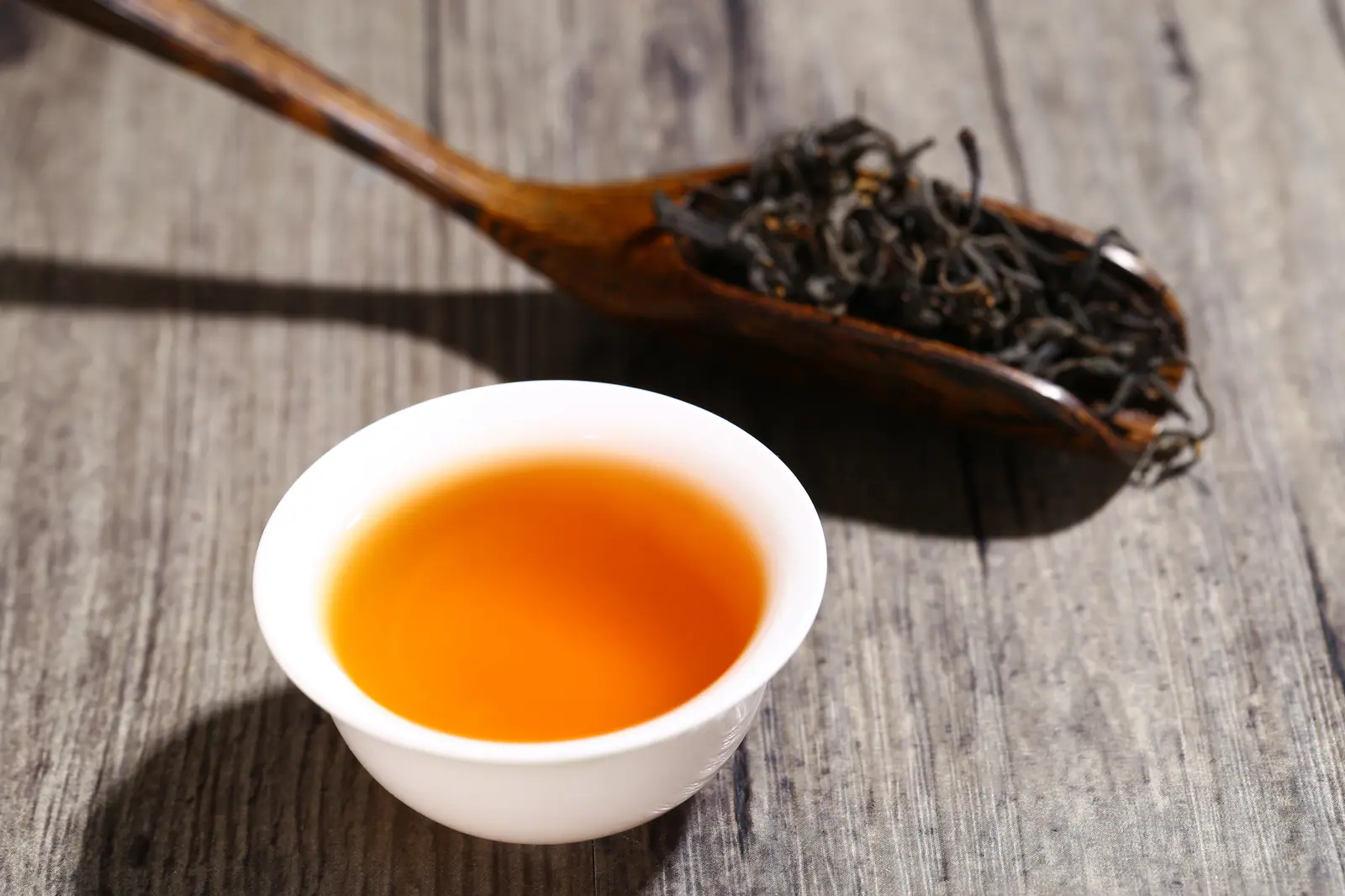
This archive photograph shows dark twisted leaf and amber liquor in one frame. The leaf was not independently identified as Dianhong, so it serves only as a reminder to compare leaf and cup together. It cannot prove Yunnan or Fengqing origin.
Compare Dianhong with other Chinese black teas
| Tea | First buying question | Useful contrast with Dianhong | Common shortcut to reject |
|---|---|---|---|
| Keemun tea | Which style or grade and intended use? | Finer-leaf floral-fruit structure versus Dianhong's broader malt and body | Grade letters as origin proof |
| Jin Jun Mei | Is a specific Tongmu origin actually documented? | Fine-bud positioning and modern Tongmu claim versus the wider Dianhong family | Any golden bud tea sold as rare Jin Jun Mei |
| Lapsang Souchong | Is it smoked, restrained-smoke or unsmoked? | Smoke-process decision versus Dianhong's bud-to-body decision | Smoke intensity as quality or origin proof |
| Dianhong tea | What job and leaf style does this batch claim? | A wide range from soft golden bud to robust leaf and broken tea | Gold percentage as a universal score |
The broader Chinese black tea guide explains why hong cha and post-fermented hei cha are separate families. That distinction matters when a listing loosely translates every dark-looking tea as black tea.
Storage and health boundaries
Store Dianhong sealed, dry, dark and away from perfume, spices and damp tea ware. It does not need routine refrigerator storage. Repeated cold-to-warm handling can introduce condensation, while a stable clean cupboard avoids that transition. A bud-rich aromatic tea should be bought in a quantity you can finish while its high notes remain lively; age alone is not improvement.
Dianhong contains caffeine. Gold buds are not a treatment for digestion, blood pressure or weight, and a tea's visual grade cannot predict an individual's response. Anyone who is pregnant, caffeine-sensitive or managing a medical condition should use qualified health guidance and consider total daily caffeine from all sources.
The buying verdict
For a first Dianhong, buy a transparent balanced bud-and-leaf batch, then test it at a fixed 4.0 g / 100 ml / 92 C across 15, 20 and 30 seconds. Keep it when infusion two still has sweetness, body and a clean finish and the cooled leaf broadly matches the seller's description.
Buy an all-gold style only when you can name what the premium adds beyond appearance. Buy leafier or broken Dianhong without apology when food, breakfast strength or milk is the job. The category becomes easier the moment gold stops being a scoreboard and becomes one variable in a complete cup.
Use the black-tea family collection to compare that result with Keemun, Jin Jun Mei and Lapsang Souchong under the same evidence rules. Post the three numbered cups in Moments only when dose, water, time and the cooled finish are recorded; return when another reader's same-condition test gives your gold-first assumption a fair challenge.